Heavy farm equipment is designed for operation in harsh environments, but dirt, moisture, and residue left behind after use can quietly undermine even the toughest machines. For farmers and landowners, cleaning heavy farm equipment after use isn’t about keeping things shiny. It’s about protecting each machine’s reliability, safety, and long-term function.
Understanding Why Cleaning After Use Is Nonnegotiable
Soil, crop residue, manure, and fertilizers all contain moisture and corrosive elements. When these materials are left to sit on steel surfaces, they accelerate rust and wear. Over time, this leads to frozen pins, weakened welds, hydraulic leaks, and electrical failures. Regular cleaning reduces these risks and allows operators to catch problems before a minor issue turns into downtime during planting, harvest, or emergency work.
Timing Makes the Job Easier
The best time to clean farm equipment is immediately after use. Fresh mud and debris release far more easily than dried buildup. Even a quick rinse or scrape at the end of the day can save operators from putting in significant effort later. If full cleaning isn’t possible right away, removing the heavy debris still reduces moisture retention.
Choosing the Right Cleaning Methods
Pressure washers are common on farms, but they should be used carefully since high-pressure spray can force water into bearings, seals, and wiring. Use wide spray patterns and moderate pressure, focusing on frames, buckets, and exposed surfaces. For sensitive areas, a hose, brush, or scraper is often safer and just as effective.
Focusing on High-Wear Components
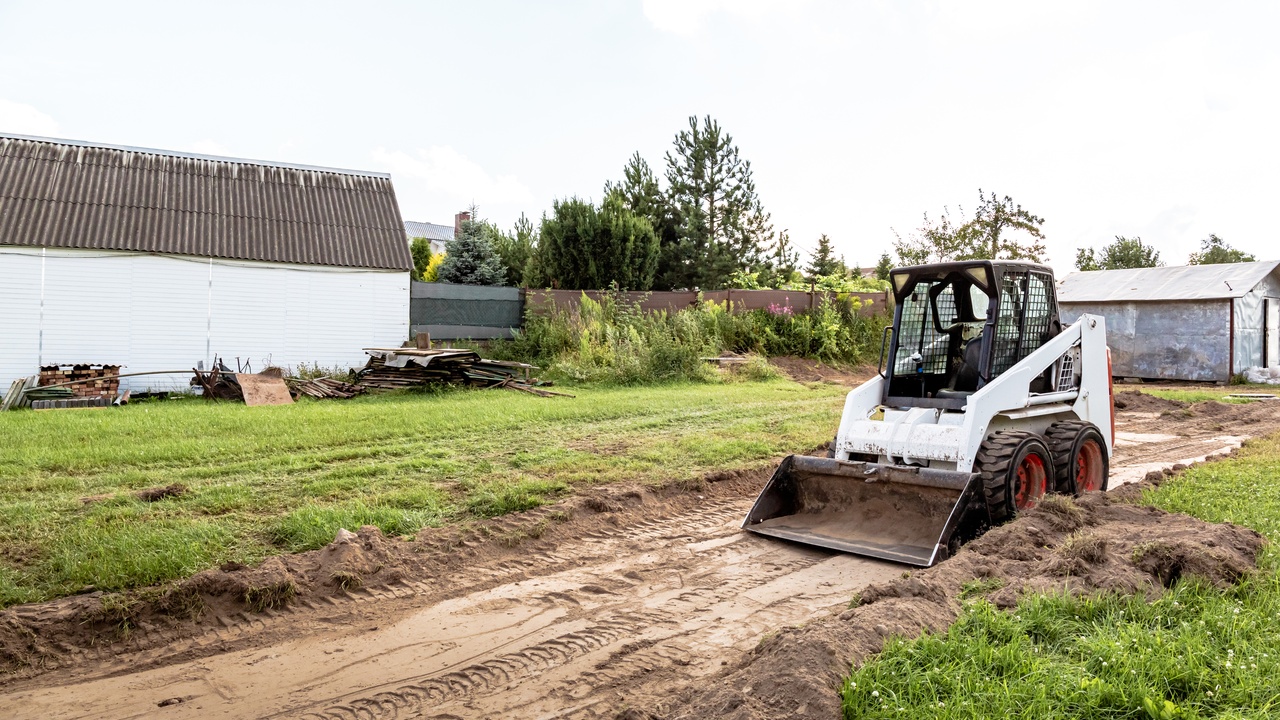
Attachments like buckets, blades, and forks take the brunt of abrasion and impact. That means these areas should be cleaned thoroughly and inspected regularly for signs of rusting, cracking, or thinning metal. Preventing rust on skid steer buckets and other equipment attachments eliminates the long-term damage caused by regular moisture and residue exposure.
Caring for the Undercarriage
Tractor and skid steer tracks, axles, wheel hubs, and suspension components are magnets for mud and crop debris. When left in place, this material hardens and causes uneven wear or mechanical binding. Clearing the undercarriage regularly improves machine performance and reduces strain on moving parts, especially in wet or clay-heavy fields.
Checking Electrical and Hydraulic Systems
Modern farm equipment relies heavily on sensors, wiring, and hydraulic lines. While cleaning machines, look for frayed hoses, cracked insulation, or loose fittings, and avoid spraying water directly into connectors or control boxes. Keeping tractors and skid steers clean makes these inspections faster and more accurate.
Drying and Storage Matter
After washing, allow all equipment to dry fully before storage. Sunlight and airflow help evaporate trapped moisture, but parking machines under tarps or in enclosed spaces while still wet often worsens corrosion. If long-term machine storage is planned, a thorough cleaning followed by proper drying is essential.
Making Cleaning Part of the Routine
The best practice for cleaning heavy farm equipment after use is to maintain consistency. Implementing a short, repeatable cleaning process prevents debris buildup and extends the machine’s service life. In farming operations, having dependable equipment starts with carrying out simple habits regularly.
Leave a Reply
You must be logged in to post a comment.