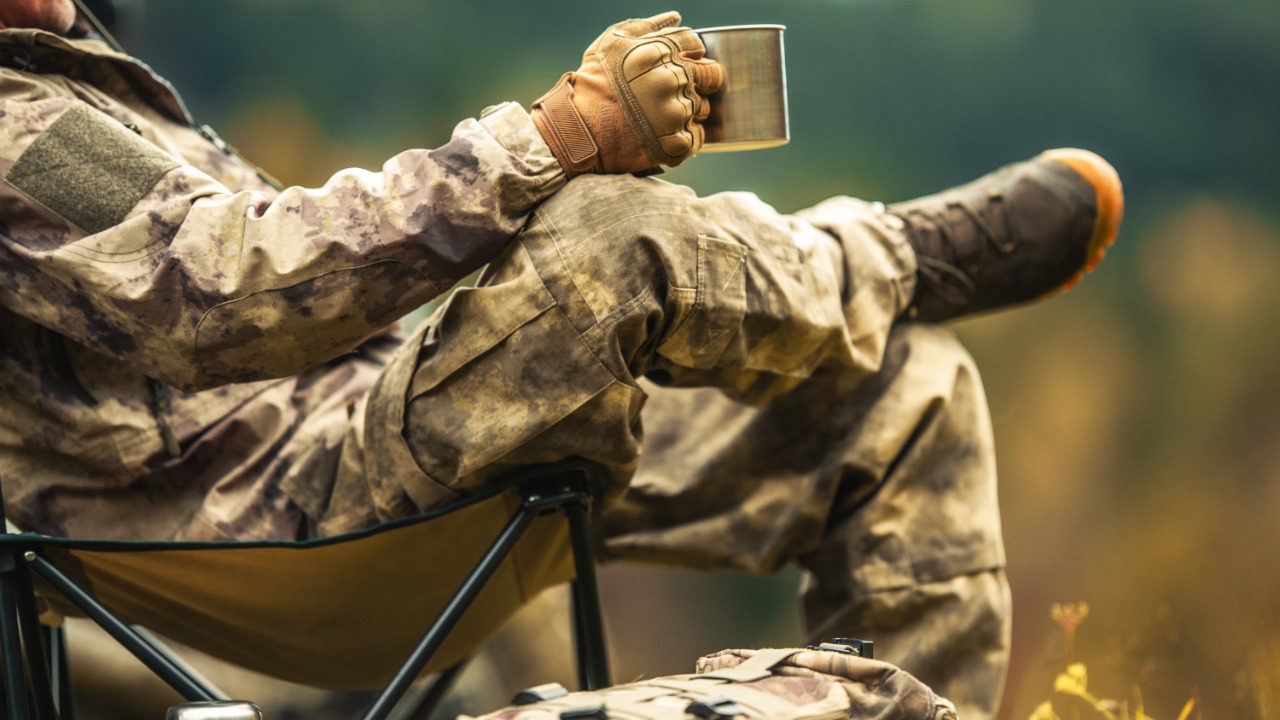
Heading into the field alone changes everything. Experience, judgment, and preparation carry more weight when no partner is there to help. This guide will help you decide whether you’re ready for your first solo hunting trip and how to approach it with confidence.
Know Your Limits Before You Go
Solo hunting demands honest self-assessment. Physical stamina, navigation skills, and firearm proficiency all matter more without backup. Past group hunts provide a foundation, but independence introduces new challenges.
Weather shifts, unexpected terrain, or equipment failure can escalate a calm scenario into an emergency. Confidence should come from experience, not assumption. A short solo outing close to home is a smart starting point.
Build a Reliable Plan
A detailed plan separates a good hunt from a dangerous situation. Share your location, timeline, and expected return with someone you trust. Stick to areas you already know well.
Navigation tools should include both modern and traditional options. GPS devices help, but a map and compass never run out of battery. Preparation like this builds margin for error.
Gear That Works As Hard as You Do
Every piece of gear must justify its place. Weight matters, but reliability matters more. Pack essentials like water, fire-starting tools, first aid, and a communication device.
When you hunt alone, what you wear matters even more. Other hunters are more likely to notice a camping group outdoors than they are a solo hunter aiming to disappear into the wilderness. Selecting the right camo pattern for hunting in your area is critical for both making your hunts successful and keeping yourself safe.
Clothing should match terrain, season, and visibility requirements. Quiet materials and proper layering can make or break a hunt.
Stay Mentally Sharp
Isolation affects decision-making. Fatigue, hunger, and frustration can lead to poor choices. Regular breaks, hydration, and awareness of your surroundings keep your mind clear.
Confidence grows from preparation, not pressure. Turning back is always an option if conditions change.
Field Skills Matter More Alone
Tracking, shot placement, and recovery become entirely your responsibility. A wounded animal is harder to manage without help, especially in rough terrain.
Field dressing and transport require planning. Consider distance from your vehicle and how you will handle the load before taking a shot.
Confidence Comes From Preparation
Solo hunting offers a deeper connection to the land and the hunt itself. Preparation, awareness, and discipline determine success more than anything else.
Taking the time to evaluate whether you’re ready for your first solo hunting trip can mean the difference between a rewarding experience and a risky one. Start small, build experience, and let each trip sharpen your skills.
Leave a Reply
You must be logged in to post a comment.