Tag: disaster preparedness

  • “Second Tier” List of Recommended Specialty Books

    “Second Tier” List of Recommended Specialty Books

    Buy at Amazon

    I subscribe to a Good, Better, Best philosophy when it comes to preparedness resources.  I would rather have a good piece of equipment RIGHT NOW, than have plans to buy the best most ultimate piece of gear someday.  Then as I learn to use that good piece of equipment, it helps me know what too look for when I have the resources to upgrade.

    Once you start to understand the fundamental skills contained in the non-fiction must have list, you may want to learn more details.  This next list of recommended specialty books is a little more in depth.  It will be followed by a third list at a later date.

  • 100 Things to Disappear First In a Disaster

    100 Things to Disappear First In a Disaster

    100 Things to Disappear First
    Buy at Amazon

    You might have seen this list floating around the internet.  I don’t know who first created it.  Nor do I know when.  However, I thought it brought up some interesting points.
    I took the liberty of reformatting it when I found it skipped items 14 and 15.  Additionally, I added a couple to make 100.

    One way or another this list of 100 things to disappear first is a good starting point when deciding what types of things you need to store in the event of a catastrophic disaster.

    It also lets you know the types of things that everyone else will try to horde or grab during that last panic shopping trip.

    Next, I also deleted some comments about how to use a few of the items.  Mostly, because they were not detailed enough to be practical.

    This list is not meant to be a purchasing guide.  Rather it is to help you realize that when disasters occur, you might not have time to run to the store.  Especially when everyone else is grabbing up these 100 items (and anything else they need).

    Take this list with a grain of salt.

    Please comment with any other items you think might disappear off the store shelves in an emergency.

    Here is the List

    1. Vitamins
    2. Chocolate/Cocoa/Tang/Punch
    3. Milk – Powdered & Condensed
    4. Flour, yeast & salt
    5. Garlic, spices & vinegar, baking supplies
    6. Tuna Fish (in oil)
    7. Honey/Syrups/white, brown sugar
    8. Rice – Beans – Wheat
    9. Vegetable Oil (for cooking)
    10. Canned Fruits, Veggies, Soups, stews, etc.
    11. Soysauce, vinegar, bullions/gravy/soupbase
    12. Graham crackers, saltines, pretzels, Trail mix/Jerky
    13. Popcorn, Peanut Butter, Nuts
    14. Teas
    15. Chewing gum/candies
    16. Generators
    17. Water Filters/Purifiers
    18. Portable Toilets
    19. Seasoned Firewood. Wood takes about 6 – 12 months to become dried, for home uses.
    20. Lamp Oil, Wicks, Lamps (CLEAR oil is best)
    21. Coleman Fuel.
    22. Ammunition
    23. Guns
    24. Hand-can openers, & hand egg beaters, whisks.
    25. Hand Tools
    26. Charcoal, Lighter Fluid
    27. Water Containers
    28. Propane Cylinders
    29. Survival Guide Book.
    30. Mantles: Aladdin, Coleman, etc.
    31. Baby Supplies: Diapers/formula. ointments/aspirin, etc.
    32. Washboards, Mop Bucket w/wringer (for Laundry)
    33. Cookstoves (Propane, Coleman & Kerosene)
    34. Propane Cylinder Handle-Holder
    35. Feminine Hygiene/Haircare/Skin products.
    36. Thermal underwear (Tops & Bottoms)
    37. Bow saws, axes and hatchets, Wedges (also, honing oil)
    38. Aluminum Foil Reg. & Heavy Duty
    39. Gasoline Containers (Plastic & Metal)
    40. Garbage Bags
    41. Toilet Paper, Kleenex, Paper Towels
    42. Garden Seeds (Non-Hybrid)
    43. Clothes pins/line/hangers
    44. Coleman’s Pump Repair Kit
    45. Fire Extinguishers
    46. First aid kits
    47. Batteries (all sizes)
    48. Big Dogs (and plenty of dog food)
    49. Matches. {“Strike Anywhere” preferred.)
    50. Writing paper/pads/pencils, solar calculators
    51. Insulated ice chests Workboots, belts, Levis & durable shirts
    52. Flashlights/Lightsticks & torches, “No. 76 Dietz” Lanterns
    53. Journals, Diaries & Scrapbooks (jot down ideas, feelings, experience; Historic Times)
    54. Garbage cans Plastic
    55. Men’s Hygiene: Shampoo, Toothbrush/paste, Mouthwash/floss, nail clippers, etc
    56. Cast iron cookware
    57. Fishing supplies/tools
    58. Mosquito coils/repellent, sprays/creams
    59. Duct Tape
    60. Tarps/stakes/twine/nails/rope/spikes
    61. Candles
    62. Laundry Detergent (liquid)
    63. Backpacks, Duffel Bags
    64. Garden tools & supplies
    65. Scissors, fabrics & sewing supplies
    66. Bleach (plain, NOT scented: 4 to 6% sodium hypochlorite)
    67. Canning supplies, (Jars/lids/wax)
    68. Knives & Sharpening tools: files, stones, steel
    69. Bicycles…Tires/tubes/pumps/chains, etc
    70. Sleeping Bags & blankets/pillows/mats
    71. Carbon Monoxide Alarm (battery powered)
    72. Board Games, Cards, Dice
    73. d-con Rat poison, MOUSE PRUFE II, Roach Killer
    74. Mousetraps, Ant traps & cockroach magnets
    75. Paper plates/cups/utensils
    76. Baby wipes, oils, waterless & Antibacterial soap
    77. Rain gear, rubberized boots, etc.
    78. Shaving supplies (razors & creams, talc, after shave)
    79. Hand pumps & siphons (for water and for fuels)
    80. Reading glasses
    81. “Survival-in-a-Can”
    82. Woolen clothing, scarves/ear-muffs/mittens
    83. Boy Scout Handbook, / also Leaders Catalog
    84. Roll-on Window Insulation Kit (MANCO)
    85. Socks, Underwear, T-shirts, etc. (extras)
    86. Lumber (all types)
    87. Wagons & carts
    88. Cots & Inflatable mattress’s
    89. Gloves: Work/warming/gardening, etc.
    90. Lantern Hangers
    91. Screen Patches, glue, nails, screws,, nuts & bolts
    92. Coffee
    93. Cigarettes
    94. Wine/Liquors
    95. Paraffin wax
    96. Glue, nails, nuts, bolts, screws, etc.
    97. Atomizers (for cooling/bathing)
    98. Hats & cotton neckerchiefs
    99. Medicine
    100. Goats/chickens

    This list is useful in two ways:

    First, by knowing the 100 things to disappear first you can either ensure you have what you need

    Secondly, you can have extras to set your self up with the resources to trade.

    Lastly, If you decide to go the trading route, remember that when people have nothing, they may be willing to try to take from those that have something.  Also from a bartering perspective small and portable is more useful than large and bulky.

    In conclusion, when I first got into disaster preparedness, I stocked up on small 100 ml bottles of liquor – it was small and portable, large enough to be valuable, but not so large as it was expensive.

  • Quick and Easy Tips to Make Sure Your Household is Prepared

    Quick and Easy Tips to Make Sure Your Household is Prepared

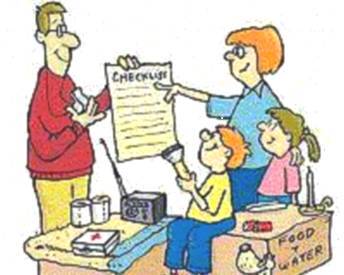
    household_emergency_preparedness_11_1Preparedness and planning resources have been a main topic of conversation on this site for quite some time. Preparedness is worth investing time into in order to ensure the safety and security for yourself and your family. In addition to taking the necessary steps to prepare a household for emergencies, it’s also important to establish a plan for protecting your home and saving specific items. Since recent data shows intense weather being the most frequent and main cause of death, it could be anything from a hurricane, to a home break-in that impacts your family. Because of this, knowing what items will keep you safe and allow you to feel secure moving forward is absolutely crucial.

    Here are some areas you need to focus on while developing an emergency preparedness plan:

    First and foremost, make a plan

    Having a plan written down will teach your family how to react at a moment’s notice. This will not only keep them safe, but it’ll also give them peace of mind knowing that they’re prepared to react. Your plan should set multiple rendezvous locations near and far away from your home in order to account for multiple types of emergencies. It should also establish emergency contacts such as family members, neighbors, friends, etc. Be sure to thoroughly go over the plan, especially with any young children, and make a point to revisit and/or revise your emergency plan once or twice a year. Here are some tips on how to make your own.

    Purchase adequate supplies

    Emergency kits are a great way to make sure that you and your family have all of the essential items during a disaster or in the event of an emergency. The kit should include enough items to last a few days, or even up to a week, and should be placed in multiple locations around the house or place of work. The items included should be everything from food and water (at least one gallon per person), power sources like batteries or generators, various tools, and clothing or blankets. Remember to account for anyone who may have specific medical requirements as well. Having an adequate emergency kit will allow you to care for yourself and others, while also avoiding having to go out into potentially dangerous conditions.

    Invest in security

    Home security systems are often the first step individuals and families take toward protecting their households, and for good reason. These systems can be the perfect layer of defense for yourself, your family, and all of your valued belongings. It’s important to look for an all-inclusive system that monitors activity around your doors and windows, but also protects you from a multitude of situations such as fire, carbon monoxide poisoning, and flooding. Even though it’s difficult to anticipate every disaster you may be susceptible to, it can be easy and affordable to take a few simple measures. Check out this page here for everything worth looking for if you’re considering investing in a home security system. Remember to look for comprehensive security systems that are easy to set up, offer 24/7 monitoring, and work in various environments. Allowing yourself a little peace of mind can definitely go a long way in terms of preparedness.

    Safeguard your important documents

    When disaster strikes or a family is caught in an emergency situation, many might think to save material things, if anything at all. However, there are a few items that are worth saving if you’re able to, or better yet, securely protecting from a disaster that could damage your belongings. Among the many things worth protecting, safeguarding personal documents and various forms of identification is incredibly important. Identification ranges from passports and driver’s licenses, to social security cards and birth certificates. This may seem like a small detail to some, but being able to produce proper identification can make or break your eligibility to receive medical treatment or relief aid. It could also greatly affect your ability to access transportation in the event of an evacuation.

    Protecting financial information

    Aside from the important documents mentioned above, protecting financial information is something to take very serious as well. Records such as emergency funds, investments, insurance policies, and wills are some that can be very difficult to replace. Whether a social security number is lost or stolen, or even sensitive financial records, this could put your family in a very vulnerable spot when it comes to identity theft. Not only could this affect you for several years, but it can cause extreme worry and discomfort, as well as have an immense impact on future financial security. Make sure you consider purchasing a fireproof safe or procuring a safety deposit box, and establish a family emergency fund that can last anywhere from three to eight months.

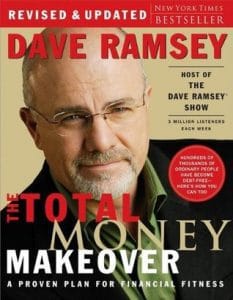
  • Dave Ramsey’s Baby Steps and Preppers

    Dave Ramsey’s Baby Steps and Preppers

    I am a fan of Dave Ramsey, I listen to him on the radio, read his books, and being from Tennessee, I have driven by his studio several times as it is just down the road from one of my favorite gun stores.

    The thing I like best about his system is that it takes into consideration human behavior as well as math.  The other day while listening to his show he was discussing a Tony Robbins quote “Most people have no idea of the giant capacity we can immediately command when we focus all of our resources on mastering a single area of our lives.” That was interesting to me as the Dave Ramsey program is about focusing all your resources on some simple “baby steps” to achieve financial independence.

    Dave Ramsey’s baby steps are:

    1. 1,000 to start an Emergency Fund
    2. Pay off all debt using the Debt Snowball
    3. 3 to 6 months of expenses in savings
    4. Invest 15% of household income into Roth IRAs and pre-tax retirement
    5. College funding for children
    6. Pay off home early
    7. Build wealth and give! Invest in mutual funds and real estate.

    If your goal is to achieve financial independence as quickly as possible then it’s really hard to take away from his program because it works.

    However, like many highly successful people the system is very narrowly focused, this is good because the “laser like focus” is what makes his system work.  Unfortunately, Dave seems to believe that if you have enough cash you can solve your problems.  To be fair, he is quite clear about his Christian beliefs and I am not including spiritual or social problems in the problems he solves with money.  He just acts like you don’t need food storage or alternative solutions if you have enough cash flow.

    An example of this is that if you call into his show and ask about investing in things like gold he is quick to tell you that gold does not work as an investment – (which is sound, because gold’s value depends on people’s willingness to buy it not any inherent value.)   He proudly ignores its use as a means of barter, the same way he ignores any other emergency preparedness resources other than having “piles of cash”.

    I find it interesting that a man that so clearly “gets it” about a man’s responsibility to provide for his family fails to prepare for times when basic essentials may not be able to be purchased.  He speaks of his responsibility as a husband to alleviate his wife’s fears of not being able to feed the kids by having an appropriate emergency cash fund, but ignores food storage.

    With our current increasing inflation, and the sizes of grocery products shrinking while the costs are rising, it seems like the food I bought in bulk last year is a lot better deal than the food I bought in bulk this year, so by having food storage I do have a pretty good rate of return. – Especially since the only reason I work for money is so I can buy the things I need.

    In places like Zimbabwe gold and tangible goods are used in the place of money because government currency is over inflated and worthless.  I know this is America, and people don’t like to think it can happen here, but Dave Ramsey rails against the effects of living outside your means and what that causes, but ignores the fact that our government is doing the same thing, which may cause our currency to become worthless if people stop speculating on it.

    SO….

    In my house we have a solution that works for us.  We follow the Ramsey baby steps, BUT in out budget we have a line for preparedness.  We budget for physical emergencies just like he says to add a line in the budget for fixing your roof.

    We also put a 72 hour kit as baby step zero – as it’s cheaper and easier to do than get that first $1000.00 emergency fund.

    We also have a baby step preparedness outline so we have a plan to prepare rather than just buying the neatest prep tool I see.

    If there is any interest I may post our “preparedness tiers / baby steps” plans at a later date.  Today I just wanted to rant a little, because while I love me some Dave Ramsey, he can get a little opinionated on his program and that there is some room for adaptation if you have an end goal in mind.