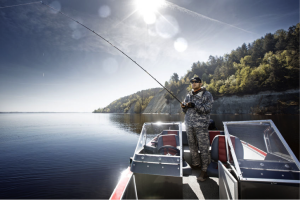
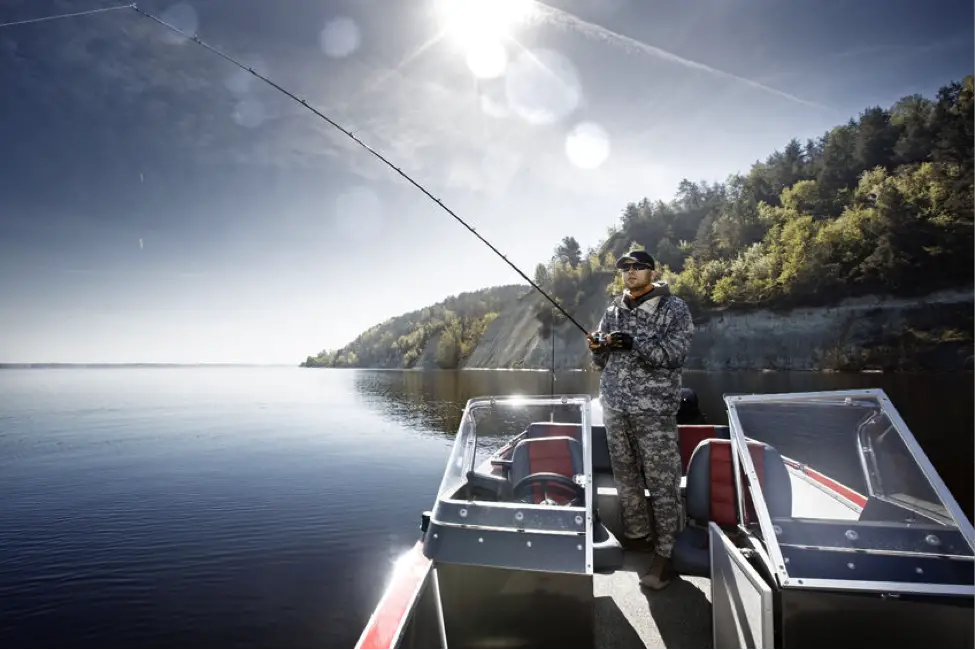
 Summer is right around the corner and many are in the midst of planning deep sea fishing trips or casual fishing excursions with their buddies.
Have you considered updating your boat emergency kit? You never know when an emergency situation can come calling!
Be Prepared for Anything
While the odds of a mishap are certainly small, the risk of your vessel going down always exists. A car offers the luxury of simply stepping out on to the road and walking to the nearest gas station. With a boat, the inconvenience of a malfunction is magnified. Stranded in open water, your chance of returning to dry land is often decided by what is in your onboard kit.
Here is a look at 8 essentials to consider for your boat emergency kit:
Empty Milk Jug
How can a milk jug act as a savior, you may ask? It can, provided you have a knife or other cutting instrument. Simply , slice the empty jug horizontally and it immediately becomes a lightweight bailing device. Although much smaller, empty plastic water bottles can also do the trick, This allows for multiple small hand bailers to scoop out unwanted water.
First-Aid Supplies

 First-aid supplies are commonly included in all emergency kits. A mini safety kit certainly adds an extra layer of insurance when you are out on the water. Make sure you are carrying a variety of tape, gauze, wipes, anti-bacterial creams, and Band-Aids.
Also consider equipping your first-aid kit with motion sickness medicine, antibiotic ointment, sunscreen, and Neosporin. Last but not least, an epinephrine auto-injector can useful in case a member of the boating party encounters an unwanted reaction or sting.
Personal Locator Beacons

 A Personal Locator Beacon is very handy to have on a boating trip. They are particularly helpful when your mobile network is spotty or non-existent. A PLB such as the ACR ResQLink is capable of broadcasting a 406MHz satellite distress signal to the Coast Guard. Additionally it sends a separate homing signal is sent out to local Search and Rescue units.
It’s small size allows several to fit easily into any emergency bag. Additionally, the design of the ResQLink means it can even be clipped onto lifejackets. Consider carrying one for each boat member. Because, this improves your chances of being rescued quickly. Especially if you become separated in the water.
Emergency Mylar Thermal Blanket

 Mylar Thermal Blankets are excellent for all emergency marine situations. They can be packed easily and provide much-needed warmth if you find yourself stranded in cold weather. Air temperature on the water is significantly cooler than land temperatures. So having one of these around while you are out fishing in the middle of the sea can prove to be a lifesaver. These blankets are often called ‘space blankets’ for their futuristic appearance.
If you don’t need to stay warm, there are other ways you can put this thermal blanket to good use. As a waterproof object, it can serve as storage for electronic gadgets that can become damaged by saline water. It also possesses a shiny appearance which can be used as a signaling object during distress situations.
If you don’t like mylar blankets, I know of a small camping blanket that is almost as lightweight and much neater.
Duct Tape

 There are few inventions in the world that can are handier than duct tape.
This little roll can quickly be added to your emergency bag, and is capable of fixing almost anything and everything under the sun.
While on a boat, you can use it to patch up leaking areas or mend broken or loose equipment on board.
Duct tape is one item whose usage need not be explained in great detail for it is universal knowledge.
Day and Night Distress Signals

 Distress signal flares, or night distress signals, are a common choice for mariners to indicate an emergency situation. Bright lights used in these flares help to alert search personnel of an emergency situation. White, red and orange are acknowledged as the international colors of distress.
Day distress signals are of two types.
- Orange smoke handheld flares
- Orange distress flag. An orange flag is recognized as an international distress symbol and can be seen over many miles. Ideally you should place it somewhere high up on your vessel so that it is visible from both air and water.
Hand-held orange smoke flares draw attention by emitting a large cloud of orange smoke. Keep in mind that these flares do not last long. They burn for about a minute. Deploy them carefully when the possibility of being spotted by a rescue party is at its highest.
Red flares are the most common with regards to visual distress signals and can be used both during the day and at night. They can be seen from a great distance and even when visibility is not at its best.
Oars and Paddles

 You may already be aware that the U.S. Coast Guard has a recommendation in place for all boats to be fitted with oars and paddles.
This is because engine failures can leave you stranded on the water with no way to return to shore.
Regardless of your vessel size, oars can create a current and provide just enough momentum to safely drift back to shore.
For faster flowing bodies of water, always keep a compass handy so that you know you are rowing in the right direction.
Drybag – Survival Equipment Bag
The Drybag from Watershed is a piece of engineering marvel that can keep items dry even underwater. When river guides voiced their concern over the quality of storage bags used during the 1980s, their problems were solved when the ZipDry technology came into existence.
 Similar to a freezer bag, it offers excellent closure once sealed shut. The bag material is comprised of polyurethane-coated fabrics that are extremely durable, flexible, and resistant towards abrasion. Consider packing all of your emergency and safety equipment in this bag.
Conclusion
Any boating trip can turn dangerous and the right emergency kit could be the difference between life and death.
As goes the old adage “better safe than sorry”. It is important to be prepared and safeguard yourself against all eventualities rather than waiting for the moment when trouble finally befalls you.
If you are going boating in someplace else other than your home state, also keep in mind some of the rules and regulations that they may have in place.
Finally, know that adding these eight safety items to your emergency kit will help you remain safe under all circumstances. Giving you the peace of mind so that you can enjoy a relaxing, comfortable, and memorable trip.

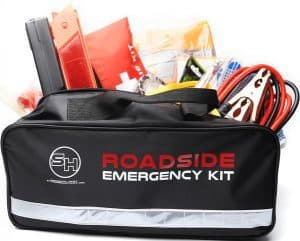


 Emergency food needs to be shelf stable and contain needed nutrients. It is a plus if the food tastes good, is light weight, and not very expensive.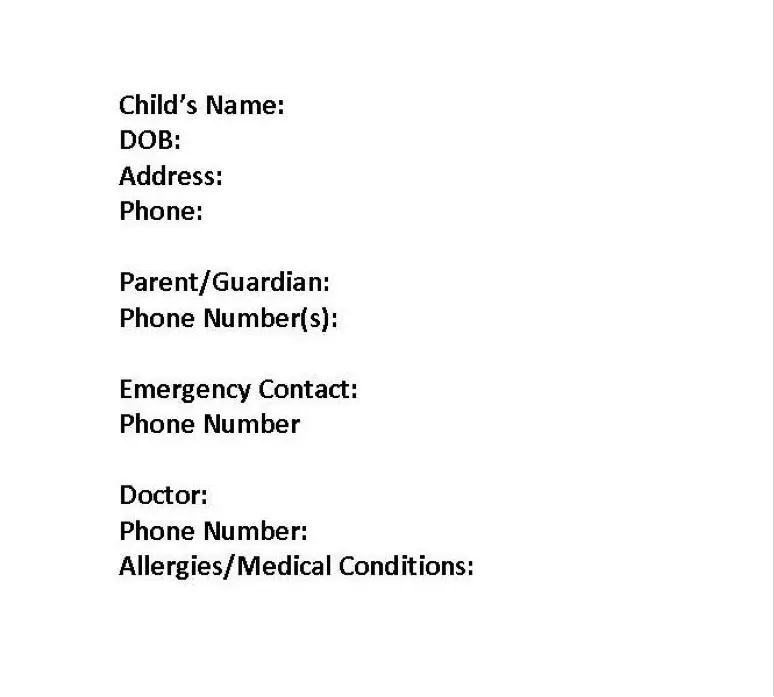

 I just discovered this idea on pinterest late last week and I hat to share this tip on how you can use this car seat emergency sticker to keep your child safe.


 You might remember Emergency Management.com from the “Preppers are Socially Selfish” article a few months ago.* It wasn’t just their premise that upset me, but that the “Academic” Author that proudly professed her lack of real world response experience put forth several “apologies” that were more “I’m sorry you are angry” or “I am sorry there is so many angry responses” – she never actually realized why people were angry, and soon retired without seeing the benefit preppers bring to their communities.