Tag: humanitarian aid

  • 21 Days to Basic Preparedness: Book Review

    21 Days to Basic Preparedness: Book Review


    I decided to try my hand at DIY publishing on the kindle. This particular ebook has been around in various ways on my site for a few years.  I enhanced it and put it out on Kindle.

    It takes a while (21 days its said) to make a habit. This book is about making the habit to be better prepared.

    What I did was take all the academic training I have in Emergency Management, add in the experience I have earned working for a state emergency management agency as an operations officer and planner, and filter it through the viewpoint of a prepper to get something not commonly found in this niche. That is a scientific approach to prepping.

    21 Days to Basic Preparedness is a basic guide, and its not got a lot of specifics on how to can food or put together a solar generator (you can find specifics all through this site). What it does is address things like how to plan or and how to test your plan.

    I am offering this exclusively through Amazon.  Currently 21 Days to Basic Preparedness is only available as an eBook.  However, the plan is to create a paper copy also.

    Because I want to offer great information that is useful to you, I have posted the Amazon preview to  21 Days to Basic Preparedness so that you know exactly what you are getting when you buy this ebook.

  • Preparing Your Home for an Earthquake

    Preparing Your Home for an Earthquake

    Preparing Your Home for an Earthquake
    Buy at Amazon

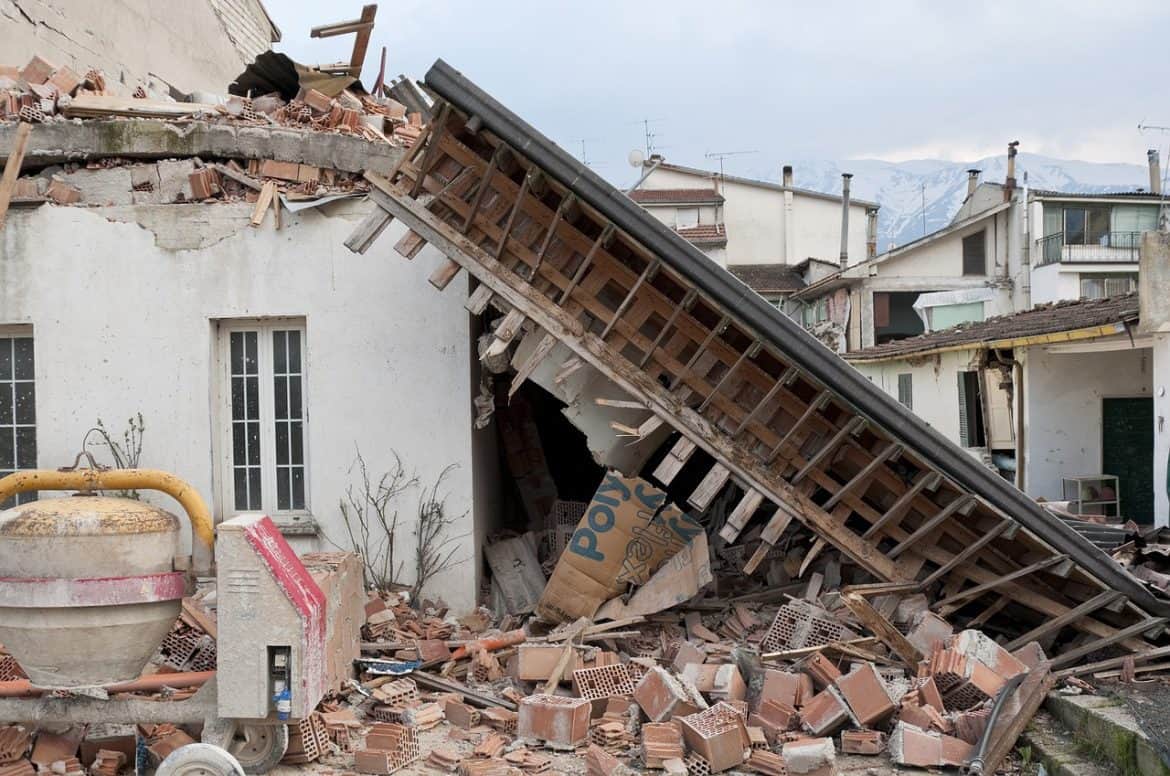
    Compared to other natural disasters like hurricanes and fires, earthquakes strike without warning anywhere in the world.
    There’s no telling when they’ll happen and most of the time, they bring extensive damage.

    During an earthquake, your own home itself can become a danger to you and your family. How can you prepare your own home for an earthquake?

    Preventing Structural Damage

    The first step in quake-proofing your home is to prevent the damage where it is most likely to occur. Providing structural support to areas that are weak such as the front porch, glass doors, wooden decks, and the garage. Consulting a professional engineer is the best option in order to evaluate the structure of your home and make the necessary improvements in order to strengthen these areas. Making use of the best materials is essential in protecting your home as well. Concrete dries fast and is one of the sturdiest materials that are earthquake-resistant.

    Securing Furniture

    It’s common for furniture to get thrown around when a quake starts, especially if it’s a strong one. The danger of cabinets, light fixtures, and other furniture to fall down and injure you or your family is high when these things are unsecured. What you need to do here is bolting or fastening them safely in place. This ensures that they won’t fall down easily and pose any danger for people inside your home during an earthquake. Use the best available framing hammer to fasten nails on the feet of cabinets and fasten dressers to the walls to prevent them from toppling over and hurting anyone.

    Placing Objects Safely

    Head injury is quite an expected injury during earthquakes. This is because of heavy objects falling on people’s heads during all the shaking and this can even be serious at times. If you don’t want this to happen, be smart in storing objects in your home. To make sure safety is a priority, pack heavier things such as tin cans, bottles, and glass on the lower cabinets and cupboards as they won’t be falling from a great height. Store the lighter objects on the upper bins to prevent potential hazards. In addition, always lock your cupboards since they may jar open during a quake.

    Check Your Electronics

    Power outlets can also be damaged during an earthquake. Knowing how to apply and repair switch wiring can help prevent electrical hazards at home. Due to the intensity of the shaking, some wires and panels can be dislodged or worse, completely broken and exposed. This would then lead to electrical hazard or even a potential for fire, so securing your homes electronics is a priority for earthquake preparedness. Consult an electrician to secure the electrical wires in and around your house, making sure there are no live or exposed wires before a quake. Repositioning outlets that are near potential hazards like the sink or the gas would also make it a lot safer.

    Having a Safe Roof

    A roof made from strong materials can easily survive an earthquake. If a roof does get damaged, not only does it make repairs hard, it also poses a danger of taking the whole house with it. Using lighter materials such as aluminum or metal is a great way to reduce weight on the roof and prevent extensive damage. Applying asphalt shingles is also a good alternative because they’re lighter and more flexible than other roofing materials. If you’ve bought an already-built house, asking a contractor to replace the roof with lightweight materials can be done beforehand.

    Water Heater and Gas Appliances

    Getting clean water after an earthquake can be difficult if some services end up unavailable. Your water heater can easily be damaged during an earthquake if it’s not secured properly. Faster the water heater against the wall, making sure that it stands upright. Replacing the metal pipes with more a flexible material will also prevent damage during the quake. Gas-powered appliances also benefit with more elastic connections and prevent possible gas leaks.

    Additional Earthquake Proofing

    Taking the pre-emptive measures for earthquake-proofing your home is important. A house can become a dangerous place during a quake and ensuring the safety of your family is a must. Securing doors and packing up supplies beforehand will also help save you time when disaster does strike. Knowing what materials to use for your home will decide whether your house can survive or not.

    Conclusion

    We can’t really predict when and where an earthquake might hit.  If you know the right things to do, then setting your home right, you can save a lot of money and time in repairs


  • Quick and Easy Tips to Make Sure Your Household is Prepared

    Quick and Easy Tips to Make Sure Your Household is Prepared

    household_emergency_preparedness_11_1Preparedness and planning resources have been a main topic of conversation on this site for quite some time. Preparedness is worth investing time into in order to ensure the safety and security for yourself and your family. In addition to taking the necessary steps to prepare a household for emergencies, it’s also important to establish a plan for protecting your home and saving specific items. Since recent data shows intense weather being the most frequent and main cause of death, it could be anything from a hurricane, to a home break-in that impacts your family. Because of this, knowing what items will keep you safe and allow you to feel secure moving forward is absolutely crucial.

    Here are some areas you need to focus on while developing an emergency preparedness plan:

    First and foremost, make a plan

    Having a plan written down will teach your family how to react at a moment’s notice. This will not only keep them safe, but it’ll also give them peace of mind knowing that they’re prepared to react. Your plan should set multiple rendezvous locations near and far away from your home in order to account for multiple types of emergencies. It should also establish emergency contacts such as family members, neighbors, friends, etc. Be sure to thoroughly go over the plan, especially with any young children, and make a point to revisit and/or revise your emergency plan once or twice a year. Here are some tips on how to make your own.

    Purchase adequate supplies

    Emergency kits are a great way to make sure that you and your family have all of the essential items during a disaster or in the event of an emergency. The kit should include enough items to last a few days, or even up to a week, and should be placed in multiple locations around the house or place of work. The items included should be everything from food and water (at least one gallon per person), power sources like batteries or generators, various tools, and clothing or blankets. Remember to account for anyone who may have specific medical requirements as well. Having an adequate emergency kit will allow you to care for yourself and others, while also avoiding having to go out into potentially dangerous conditions.

    Invest in security

    Home security systems are often the first step individuals and families take toward protecting their households, and for good reason. These systems can be the perfect layer of defense for yourself, your family, and all of your valued belongings. It’s important to look for an all-inclusive system that monitors activity around your doors and windows, but also protects you from a multitude of situations such as fire, carbon monoxide poisoning, and flooding. Even though it’s difficult to anticipate every disaster you may be susceptible to, it can be easy and affordable to take a few simple measures. Check out this page here for everything worth looking for if you’re considering investing in a home security system. Remember to look for comprehensive security systems that are easy to set up, offer 24/7 monitoring, and work in various environments. Allowing yourself a little peace of mind can definitely go a long way in terms of preparedness.

    Safeguard your important documents

    When disaster strikes or a family is caught in an emergency situation, many might think to save material things, if anything at all. However, there are a few items that are worth saving if you’re able to, or better yet, securely protecting from a disaster that could damage your belongings. Among the many things worth protecting, safeguarding personal documents and various forms of identification is incredibly important. Identification ranges from passports and driver’s licenses, to social security cards and birth certificates. This may seem like a small detail to some, but being able to produce proper identification can make or break your eligibility to receive medical treatment or relief aid. It could also greatly affect your ability to access transportation in the event of an evacuation.

    Protecting financial information

    Aside from the important documents mentioned above, protecting financial information is something to take very serious as well. Records such as emergency funds, investments, insurance policies, and wills are some that can be very difficult to replace. Whether a social security number is lost or stolen, or even sensitive financial records, this could put your family in a very vulnerable spot when it comes to identity theft. Not only could this affect you for several years, but it can cause extreme worry and discomfort, as well as have an immense impact on future financial security. Make sure you consider purchasing a fireproof safe or procuring a safety deposit box, and establish a family emergency fund that can last anywhere from three to eight months.

  • Dave Ramsey’s Baby Steps and Preppers

    Dave Ramsey’s Baby Steps and Preppers

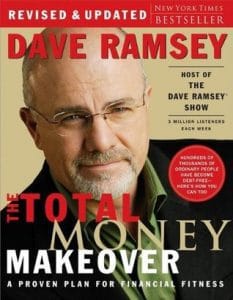
    I am a fan of Dave Ramsey, I listen to him on the radio, read his books, and being from Tennessee, I have driven by his studio several times as it is just down the road from one of my favorite gun stores.

    The thing I like best about his system is that it takes into consideration human behavior as well as math.  The other day while listening to his show he was discussing a Tony Robbins quote “Most people have no idea of the giant capacity we can immediately command when we focus all of our resources on mastering a single area of our lives.” That was interesting to me as the Dave Ramsey program is about focusing all your resources on some simple “baby steps” to achieve financial independence.

    Dave Ramsey’s baby steps are:

    1. 1,000 to start an Emergency Fund
    2. Pay off all debt using the Debt Snowball
    3. 3 to 6 months of expenses in savings
    4. Invest 15% of household income into Roth IRAs and pre-tax retirement
    5. College funding for children
    6. Pay off home early
    7. Build wealth and give! Invest in mutual funds and real estate.

    If your goal is to achieve financial independence as quickly as possible then it’s really hard to take away from his program because it works.

    However, like many highly successful people the system is very narrowly focused, this is good because the “laser like focus” is what makes his system work.  Unfortunately, Dave seems to believe that if you have enough cash you can solve your problems.  To be fair, he is quite clear about his Christian beliefs and I am not including spiritual or social problems in the problems he solves with money.  He just acts like you don’t need food storage or alternative solutions if you have enough cash flow.

    An example of this is that if you call into his show and ask about investing in things like gold he is quick to tell you that gold does not work as an investment – (which is sound, because gold’s value depends on people’s willingness to buy it not any inherent value.)   He proudly ignores its use as a means of barter, the same way he ignores any other emergency preparedness resources other than having “piles of cash”.

    I find it interesting that a man that so clearly “gets it” about a man’s responsibility to provide for his family fails to prepare for times when basic essentials may not be able to be purchased.  He speaks of his responsibility as a husband to alleviate his wife’s fears of not being able to feed the kids by having an appropriate emergency cash fund, but ignores food storage.

    With our current increasing inflation, and the sizes of grocery products shrinking while the costs are rising, it seems like the food I bought in bulk last year is a lot better deal than the food I bought in bulk this year, so by having food storage I do have a pretty good rate of return. – Especially since the only reason I work for money is so I can buy the things I need.

    In places like Zimbabwe gold and tangible goods are used in the place of money because government currency is over inflated and worthless.  I know this is America, and people don’t like to think it can happen here, but Dave Ramsey rails against the effects of living outside your means and what that causes, but ignores the fact that our government is doing the same thing, which may cause our currency to become worthless if people stop speculating on it.

    SO….

    In my house we have a solution that works for us.  We follow the Ramsey baby steps, BUT in out budget we have a line for preparedness.  We budget for physical emergencies just like he says to add a line in the budget for fixing your roof.

    We also put a 72 hour kit as baby step zero – as it’s cheaper and easier to do than get that first $1000.00 emergency fund.

    We also have a baby step preparedness outline so we have a plan to prepare rather than just buying the neatest prep tool I see.

    If there is any interest I may post our “preparedness tiers / baby steps” plans at a later date.  Today I just wanted to rant a little, because while I love me some Dave Ramsey, he can get a little opinionated on his program and that there is some room for adaptation if you have an end goal in mind.