If your water heater is acting funny or if you’ve noticed anything different about it, you might need major water heater repair. These are signs that you should look for!
Sediment in Your Water
Sediment in your water can be cause for concern because it should be filtered out through the hot water heater. If there is any sediment in your water, parts of your water heater might not be working. Your hot water heater may also be malfunctioning causing the sediment to form in the first place. If you see sediment, it can be a huge signal that something is wrong with your hot water heater.
Water That’s Not Clear
If the water coming out of your hot water tap is not clear, you might need to contact plumbing services to get help. When your water isn’t clear, it can mean many different things, but it might be associated with your hot water heater. There are many things you’ll have to look at if your water isn’t clear so it’s best to call a professional to figure out what the actual problem with the water is.
An Odor that Comes from Your Heater
Your water shouldn’t smell bad! If the water has a rotten egg smell, it might have too much sulfur in it that the water heater isn’t properly filtering. If it has more of a metallic smell, that could be a problem with iron in your water. No matter what odor is coming from your water, it’s probably not a good thing. Make sure you talk with a plumbing professional to get help if you smell something wrong with your water.
Water that Isn’t Hot
If your water isn’t heating up, it could signal a big problem with your hot water heater. If your hot water heater suddenly stops working, it can make it difficult for you to live. You’ll need to adjust the temperature so that you can make sure it’s not something wrong with the thermostat. If that doesn’t work, you should always call a plumbing professional to learn whether you need major water heater repair.
Any of these could be signs of minor issues, too. Keep in mind that just because you have a sign of a major water heater problem doesn’t mean that you do have a major water heater problem. If you do have a problem, it’s important to get it fixed as quickly as possible.
Plumbing emergencies are among the most expensive sources of headaches that homeowners have to deal with. Too many homeowners have discovered, first hand, what it’s like to fork out thousands of dollars to repair the damages caused by these disasters. And in many cases, prevention could have played a huge role. Here are a few helpful tips to avoid and address the most common plumbing issues.
1. Sewer System Backup
A backed-up sewer system is one of the most regular plumbing issues to deal with and is never pleasant to be around. Sewage backups are almost always related to the ejector pump or sump pump, thus making the correct diagnosis for ejector pumps is key.
Some are lucky enough to learn of a malfunctioning pump early on when alarms are sounded for a variety of issues. This is the most desired method of finding out, as issues are easier to fix when you catch them in their early stages. Not to mention the fact that you don’t have to deal with the intrusive scent of sewage lingering in your home.
The Fix
• Test for a bad “float” switch. Switches can easily be replaced for about $20.
• If an alarm stops after halting water usage, you may be using more water than your pump can manage. Try cutting back on the amount of water you use.
• Sewage odors in the bathroom may be a result of a clogged dry trap in the shower drain. Try pouring a few gallons of water down the drain to easily resolve the issue.
2. Burst Pipes
Issues with burst pipes can range from tiny pinhole leaks to completely broken pipes that cause severe water damage and flooding. The latter will have to be addressed by a plumber, but if you have a minor issue you may be able to resolve or temporarily fix the issue yourself.
The Fix
• For a temporary fix to a small leak, use duct tape.
• Another temporary fix for minor leaks is to use a C-Clamp.
• Use a sleeve clamp for a longer lasting fix that can be used for larger leaks.
3. Frozen Pipes
Frozen pipes can easily turn into costly burst pipes if you don’t catch them early enough and handle them appropriately. However, this is an emergency that can be avoided by following the proper steps to ensure that those frozen pipes don’t burst.
Better yet, there are a few recommendations on what you can do to cut back on the likelihood that you will ever have to deal with your pipes freezing over in the first place.
Preventing Frozen Pipes
• Insulate any pipes that are easily accessible.
• Keep cold winter air out by filling any cracks or holes with either caulk and/or insulation.
• Place insulating covers over all of the hose bibs. Be sure to disconnect the hose bibs first.
• Leave all faucets dripping during the time your area experiences freezing temperatures.
• If you will be traveling out of town, turn off the water supply.
The Fix
To check for frozen pipes, you should turn on the cold water, then hot water, at each water source. You want to ensure that the water flow has not been reduced. If the water flow is minimal, or absent altogether, here’s how you can remedy the situation:
• Leave the faucet turned on.
• Find out where the blockage is coming from. This is typically found in the area of most exposure.
• Heat the supply line with a blow dryer until the flow of water has returned to normal.
4. Washing Machine Failures
Washing machine issues are a common reason for extensive water damage and flooding. In fact, this type of an issue regularly results in damages exceeding $5,000. Most of these disastrous situations can be linked back to supply hose failure.
Preventing Washer Mishaps
• Be sure to avoid pinching the supply hose during moves or installation.
• Replace the hose after five years of use.
• Ensure that the drainage pipe is lined up right and free of clogs.
• Avoid overloading the washing machine as it causes shaking that can make parts come loose.
• If you do notice trouble, shut off the intake valve immediately.
Another protective measure that can be taken is to be choosy when purchasing a new washing machine. It is recommended investing in brand new, top-load washers in order to prevent any such unfortunate incidents from happening.
5. Water Heater Issues
Water heater leaks and issues frequently cause thousands of dollars in damage because they go unnoticed for too long. In July of 2015 the Union County, Pa., Government Center experienced over $100,000 in damage due to a slow leak in their water heater. Avoid falling victim to this type of disaster by following these tips:
The Fix
• Know the life expectancy of your water heater. Don’t wait long after reaching this point to invest in a new water heater.
• Have the water heater inspected every one to two years.
• Attach a garden hose to the base valve to flush the tank out every six months.
Conclusion
Remember that when facing plumbing issues such as the ones caused by cold temperatures and unexpected technical failures, it’s best to take a step back and determine whether you can deal with these on your own or not. Sometimes it’s an absolute necessity to request professional assistance if the job that needs to be done involves more than a few resources that maybe you don’t have at that time (such as tools, for example).
Fixing these problems as soon as they appear might save you hundreds of dollars in the long run, along with the headache of having to replace your possessions
Empty Wine Bottle – Use any kind glass bottle with a 1” diameter neck
Teflon Tape
Copper Top Plate Connector (threaded for 3/8”-16 thread rod)
1” Split Ring Hanger (threaded for 3/8”-16 thread rod)
1/2” x 3/8” Copper Coupling
1/2” Copper Cap
Two Hex Nuts (threaded for 3/8”-16 thread rod)
Two #10 x 1” Zinc Plated Wood Screws (if your mounting it to wood)
3/8”-16 Zinc Plated Threaded Rod (a 3’ rod will cut down to 8, 4-1/2” rods)
Tiki Replacement Wick
Torch Fuel
Tools
Channel lock pliers
Adjustable wrench
Hacksaw
Screwdriver
Funnel
Procedure
Hanger
Position the Top Plate Connector on your mounting surface and mark the holes for where the screws will go.
Install Plate connector and screw in the 3/8”-16 Rod until it stops.
Thread the two Hex Nuts on to the Rod and tighten one all the way down at the point where the Rod meets the Top Connector Plate. Leave the other Hex Nut at the front end so it can be used to secure the Split Ring Hanger.
Thread on the Split Ring Hanger just enough so that the Rod is flush with the inside of the ring. Turn the 2nd Hex Nut counter-clockwise to snug it up against the Split Ring Hanger.
Torch
Carefully and tightly wrap the 1/2” end of the Coupling with your Teflon Tape.
Continue building up the tape until it fits very snugly into the opening of your bottle.
Insert the Wick into the Coupling until it sticks out about 1/4”.
The Tiki replacement wicks are about 3/8” in diameter so they fit well.
Unscrew the Split Ring Hanger on one side and position the bottle neck into the ring.
Flip the front half of the ring back into place and tighten down the Hanger evenly on both sides. You may need to loosen the other side to make sure both sides are an even tightness. (Don’t over tighten the Hanger. You don’t want to break the glass.)
Use a funnel to fill the bottle with your favorite torch oil.
Insert the Coupling & Wick into the top of the bottle and twist it snugly into place. Give the Wick a few minutes to absorb the oil before you try to light it.
Use the Copper Cap to keep the Wick dry when you’re not using your torch.


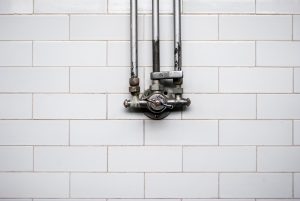 Plumbing emergencies are among the most expensive sources of headaches that homeowners have to deal with. Too many homeowners have discovered, first hand, what it’s like to fork out thousands of dollars to repair the damages caused by these disasters. And in many cases, prevention could have played a huge role. Here are a few helpful tips to avoid and address the most common plumbing issues.

 Lighting is very important for Preppers, campers, and honestly everybody else.