Harvesting Urban Timber explains the importance of harvesting urban trees and how to do so.
Three to four billion board feet of potential lumber is being fed either directly or indirectly into landfills throughout the United States each year.
Case studies illustrate how some cities and counties have reduced waste through the use of urban timber for various projects. Explained in detail are felling, safety, converting trees to sawn lumber, how to hire a sawyer, how to season the wood, sawing for figure, and what types of trees are worth harvesting.
Also described are the various uses for the timber, including use by the home craftsman or to build park benches or bumper strips. Each alternative use is illustrated through case studies of several municipalities and their respective programs of urban timber utilization.
As an owner of a small portable sawmill I can’t afford to buy logs, this book helps me find trees to make the lumber I need to do the projects I need to do. Harvesting Urban Timber is a great book for homesteaders and prepsteaders. I highly recommend it.
Harvesting Urban Timber explains the importance of harvesting urban trees and how to do so.
I do not like everything the US Federal Government does (but what’s new there)… However, they do get some things right on occasion. In my opinion, the CERT (Community Emergency Response Team) program is one of them.
Basically CERT educates people about disaster preparedness for hazards that could impact their area and trains citizens in basic disaster response skills, such as fire safety, light search and rescue, team organization, and disaster medical operations.
In this post we talk about the CERT and USAR Urban Search and Rescue Door Markings.
As far as USAR (urban search and rescue) is concerned – one problem is keeping track of your search teams and what has and has not been searched.
Keeping track of multiple individual teams searching multiple areas in the wake of a large scale disaster is nearly impossible.
This is why shortcuts have been devised over the years to make the job easier.
One such trick is the use of the “FEMA marking system”.
This is a standardized marking system that allows for easy tracking of a search is in progress.
The FEMA marking system tracks:
How many times a building was searched
What was found
It also serves to alert responders of dangerous conditions.
It is easy to train, simple to use, and only requires a paint can or similar marking device.
Basically:
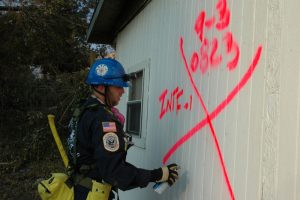
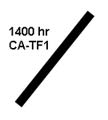
As the search begins, the team paints a single diagonal slash to indicate that a search in the building is in progress.
This is used to indicate searcher locations and to avoid duplication of the search effort.
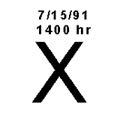
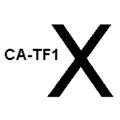
Once the team comes out they paint another slash to complete an “X” to show the search complete.
At the top of the slash the searcher marks the time and date they left the building
At the bottom of the “X” the total number or victims inside is marked, it is changed as the remains are removed
To the left of the “X” the Team searching writes their ID
To the Right of the “X” they write what they found (i.e. Haz-Mat) and any other pertinent information
It is important to note, that this is not the only similar code, there is also an international USAR code system that is similar, as well as a building inspector box code to show if a building is safe to enter.
Lastly, searchers should take care to place the signs on walls, as doors or windows can be opened or closed, which may obscure the markings.
Hopefully you will never need to know this information, but if you need it, I hope this helps.



 I do not like everything the US Federal Government does (but what’s new there)… However, they do get some things right on occasion. In my opinion, the CERT (