
At the best of times, survival situations are highly daunting and require a level of mental and physical alertness that is destroyed by alcohol. But what if your situation is not so dire? Your supplies are well stocked for months and you are not going to be in any danger for the foreseeable future, then it might be time for a bit of a drink.
If the local stores have ran out of stock, you are just going to have to rely on yourself to make your own alcoholic beverages. A good supply of alcohol is not just good for personal consumption. You could also be used to barter for items that you don’t have.
Did you know that you can make wine out of almost any plant? It requires no special ingredients and the only thing that you might need is some sugar, yeast, acid and whatever you are going to make your wine out of.
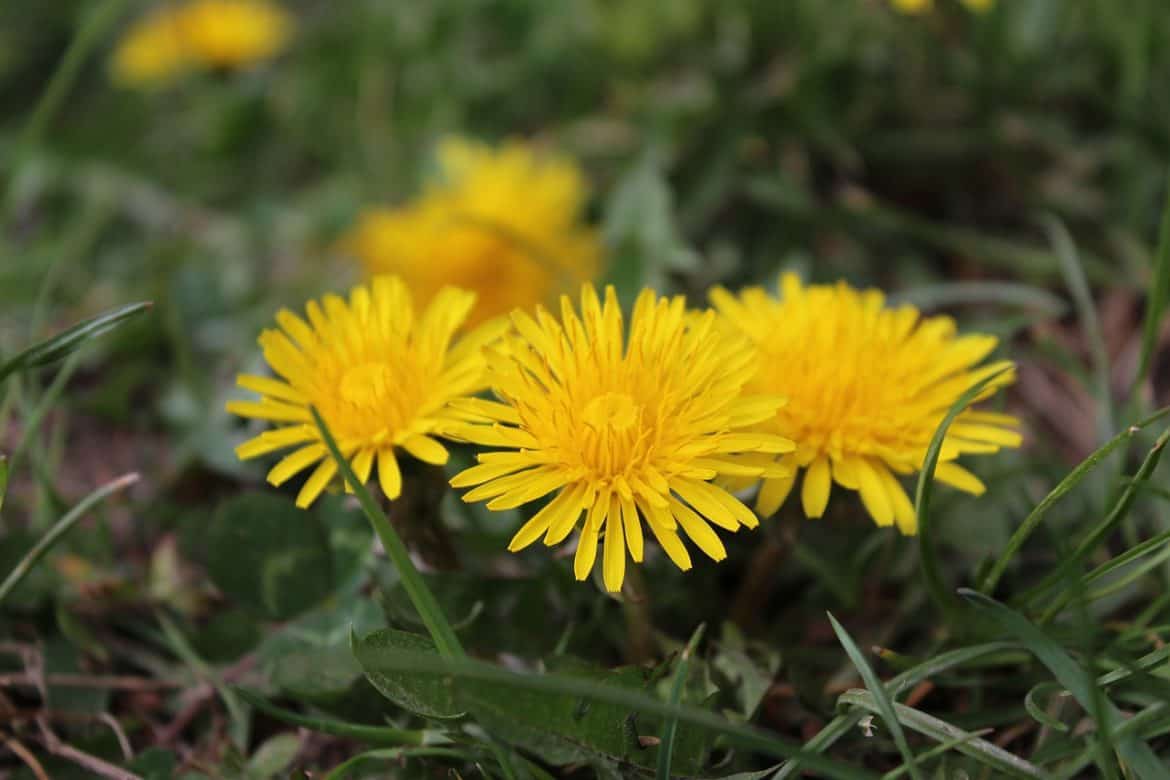
The most common garden item that most wine makers choose to use, is the humble dandelion. You could make your brew out of any thing else that you have lying around like tomatoes or other vegetables. However, dandelions are abundant and don’t really have any other great uses. Except for the leaves which are edible.
All the equipment that you need, is a sealed container to ferment your wine , an airlock to let air out of the sealed container but not let air in, and some bottles or jars to store and age the finished product in.
Making wine is an easy process and anyone can do it if they have the slightest bit of knowledge on the subject.
How to make dandelion wine
Ingredients:
- Quart of yellow dandelion flowers. Rinse them thoroughly
- 8 cups of sugar
- Gallon of boiling water
- Lemon slice
- Orange, sliced
- Packet of yeast. If you do not have yeast, then you are not going to want to completely seal the container that the wine is fermenting in so airborne yeast can get in.
Procedure:
- You are going to want to place your well rinsed dandelion flowers into boiling water and boil them for 5 minutes. Then remove the blossoms, discard them and let the water cool to about 90 degrees F.
- Make sure that your sealed container is sterile before you add any thing to it. You can easily sterilize your fermenting container with boiling water but make sure that you are thorough about it because any bacteria left in there is going to destroy your wine.
- Put the dandelion juice that you have created into your seal-able fermenting container. Then add the rest of the ingredients and stir them in thoroughly.
- Attach the air lock, which can be made out of tubes and pill cases, similar to a water bong. Then let your wine ferment for about 13 days. The best way to tell when fermentation has stopped is when bubbles stop forming inside the airlock.
- Siphon your dandelion wine off of the sediment in the fermentation container and seal it in preserving jars and let it age for about a week.
- Wait a week and enjoy your dandelion survival wine.
That is how easy it is to make your own wine out of whatever you can find lying about. If your wine does not taste right or tastes like vinegar it is probably because there was too much bacteria in the wine which killed the yeast, ate the sugars and excreted acetic acid. This is easily solved but not everyone has packets of yeast in their bug out bag.


 This following is a guest post from Nadia Jones about colloidal silver. As with all medical posts, please use your own judgement and consult a doctor. I have no firsthand experience with colloidal silver taken internally myself, so I have no opinion on either side of the debate.