Tag: Bio

  • Cutting Techniques: Four Knife Cuts That You As A Cook Should Know

    Cutting Techniques: Four Knife Cuts That You As A Cook Should Know


    Knife Cutting
    Buy at Amazon

    Working in a kitchen is not a child’s play, and those who work are completely aware of this.

    Cooking in the kitchen could be boring or fun.

    Those who find it boring are not experimenting at all, which is not right because kitchens are like laboratories.

    People should experiment with different food items in order to create something magical.

    One of the important kitchen related tasks is ‘cutting’. If you know how to cut properly, then working in the kitchen will be a lot more interesting for you.

    It is important for you to know how a knife cuts and in how many ways a knife can be used.

    But first, you need to have the best kitchen knife set for cutting vegetables.

    Four Main Cutting Strokes You Should Know:

    1. Slicing
    2. Chopping
    3. Back-slice.
    4. Back-chop.

    You can’t use all these strokes with a single knife, so you need to have a set of different knives that you can use for performing different tasks. For chopping and back-slicing, you can use santoku-style knives, whereas, for slicing and rock-chopping, you can use western-style curved blades.

    If you have no idea regarding using a knife for a particular stroke, then you will get a decent idea by the end of this post.

    The Slice:

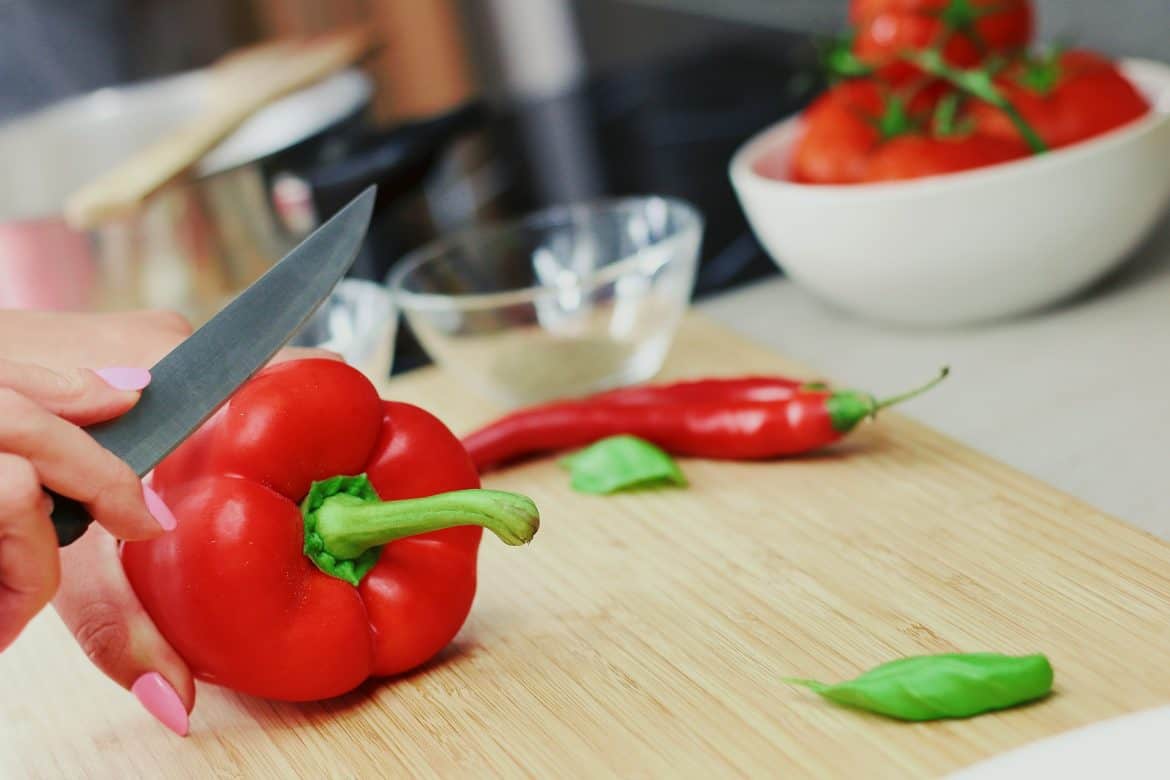
    Slicing is a stroke with which you cut meat and vegetables. You can also cut herbs with a knife that is used for slicing. In order to slice vegetables or meat, you must place them on a solid and stable surface. Then, slice the food item in half followed by holding the food item with your free hand and curling your fingers to a claw. Tuck your knuckles underneath.

    The tip of the knife should be in constant contact with the cutting board with the angle of the knife in an upward direction. Press the knife in the downward and forward direction and use the entire length of the knife to slice food. Repeat the process using a circular motion, but make sure that the tip of the knife remains against the board all the time.

    The Chop:

    If you are looking for a precision while cutting your vegetables or herbs, then the concept of chopping is used. Chopping is same as slicing, but it’s just that chopping is done to style up the vegetables. For chopping, you need a very sharp knife in order to get precise cuts. The surface on which the vegetables are placed needs to be firm and stable. If chopping a long vegetable, then cut it in half. Hold the vegetable with your free hand and curl your fingers to make a claw followed by tucking your knuckles underneath.

    Use your knuckles to hold the flat side of the knife blade and life the knife above cutting board. Press the knife in the downward direction making smooth and even stroke. Move the knife in the forward direction to chop further. Lift the knife after one stroke and repeat.

    The Back-Slice

    This stroke allows you to cut vegetables or herbs into fine, small slices. While slicing herbs, you need to stack leaves and roll them up so as to create a bundle. Hold the bundle tightly with your free hand and curl your fingers into a claw followed by tucking your knuckles underneath.

    After that, place the knife’s tip against the cutting board with the rest of the knife resting against your knuckles. You should hold the knife at a very low angle and pull the knife in the backward direction after each stroke, as this will result in the slicing of the food properly. Don’t move the knife in the downward direction.

    The Rock-Chop

    This stroke is used to finely mince fresh herbs or zest. You don’t have to be that much precise while chopping as you were at the time of back-slicing. Just roughly chop the ingredients using the chop or the slice, then accumulate those into a small pile. Start rocking the knife up and down from one side and regather the ingredients in between. Keep repeating the process until you get finely minced ingredients.

    When accumulating the ingredients, make sure to drag the knife blade at a low angle to the cutting board as dragging the blade perpendicular to the cutting board is going to make the blade dull at a much faster pace.

     

  • How to Save Money on Gas for Your Car

    How to Save Money on Gas for Your Car

    save money on gas
    Buy at Amazon
    With the price of gas on the rise it is important to take measure to save money on gas for your car by cutting down the amount of fuel that you are using. There are some tips on how to save money for gas for your car.

    Drive Less

    Instead of running errands several times a week combine them into one trip. Instead of driving from store to store walk whenever possible. All look for stores that carry a variety of items so you will not have to travel to so many different places. The less you drive the less gas you will need to put into your car, t his will obviously help save money on gas.

    Shorten the Warm Up Time

    During the winter months many people think that they need to let their car warm up for several minutes before driving off. You only need to warm your car up for 30 seconds to one minute before driving. If you leave the car idling for more than a minute you are wasting gas. Not only that you are putting greenhouse gasses into the air. Many modern cars do not need a long period of time to be ready to go even during cold mornings. One minute is all you need. This will save you both time and gas.

    Use Cash to Pay

    Many gas stations charge an additional fee to customers that pay with credit cards. This fee is due to the processing fees from the credit card companies. When paying with cash or a debt card the cost of gas is often a couple of cents less. This can add up to savings over the year.

    Find the Right Station

    When getting gas the location of the station can play a role in the price. Often stations that are right off the highway charge more money for gas than those that are in town. To find the gas station with the lowest price be sure to check an app. There are several apps that will show the prices for gas from various stations around town. When passing by that gas station get the gas while it is cheap. If you belong to a club store be sure to get gas while shopping there as the price is often less than even the cheapest gas station.

    Time Your Purchases

    The time of the day that you purchase gas can affect the price that you pay. You should either purchase gas early in the morning or later in the way. Due to the cooler temperature the gas will be denser and you will get more gas for your dollar. If the price is gas is going to gas up it usually happens in the afternoon. Getting gas early can help you save several cents per gas.

    Slow Down

    The faster you drive the more gas your car is going to use. The drag is increased on your car and in order to provide the power that is needs the more gas your car will use. Driving at the speed limit or below it will allow your car to use more gas efficiently. Also be careful not to accelerate too quickly. The faster you accelerate the more gas your car will use.

    Watch Your Braking

    The more you brake the more gas your car is going to use. Frequent braking will also wear down your brake pads faster. In order to brake less you maintain a safe distance from other cars. This way if they slow down you will not have to hit the brakes. You can also begin to brake earlier and slowly. This will help you save money on gas.

    Keep an Eye on the Tires

    Make sure that the tires are inflated properly at all times. Be sure that the tires are properly inflated as this will help you get better gas mileage. When there is a change in temperature the tires can lose two to three pounds for every square inch. If you decide to use snow tires in the winter months once spring comes around replace them. While snow tires will help create extra friction and grip to the road they will use more gas.

    Close the Windows

    During the warmer months many people like to open their windows to feel the cool breeze. While this may feel nice it is wasting a lot of gas. Wind can cause the car to drag and will require more gas to get it moving. Close the windows when possible.

    Remove Extras

    It is not unusual to see cars with racks and carriers on the top and the back. While these are useful for those on the go and can carry bikes and skies they can also use additional gas. When these items are not being used to carry things take them off. Also do not use the car to store items or keep unneeded things in them. The heavier the car is the more gas it will use to keep going. Be sure to unpack the car and is something is not being use get rid of it.

    Conclusion:

    These are some tips on how to help you save money on gas. You need gas for your car to run but these simple tips can help you save money and get more gas and mileage for your dollars.

  • Tips For Non-Carpenters on How to Build Your Own

    Tips For Non-Carpenters on How to Build Your Own

    Buy at Amazon

    I am not a carpenter by profession. However, I have a strong desire for the carpentry work. I have a passion for the woodwork.
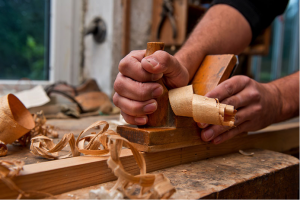
    You cannot deny the fact that carpentry is a significant job and almost all the home needs it for some or other reason. Actually, it beautifies your home interior and brings comfort to your premises.

    This guest post will show some tips for non-carpenters that can help you build your own stuff.

    It’s all about the bare necessity of life. Can you imagine a living room without a chair to sit, or a kitchen without a cabinet, a garage without a wardrobe or a dining room without a table? Of course, buying furniture is a costly affair.

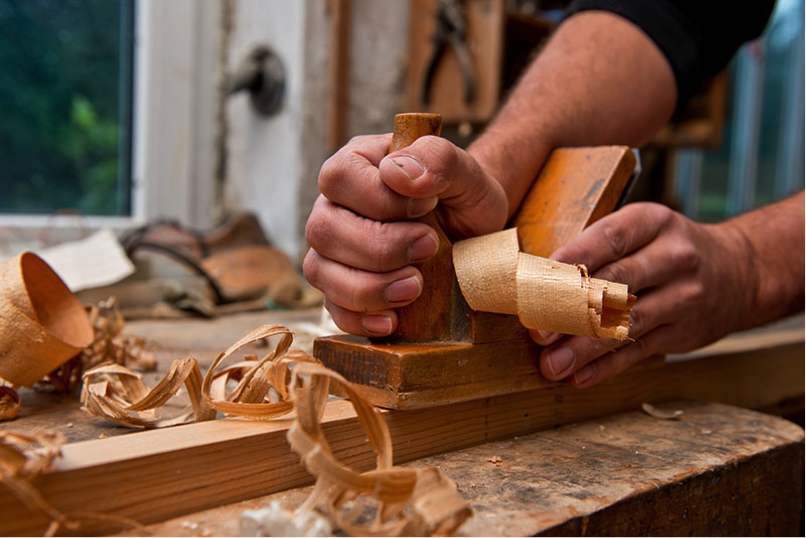
    Tips For Non-Carpenters on How to Build Your OwnIn my opinion, it is a really a better idea to build your own furniture. While building your home furniture you can give it a customized design as per your choice and requirement. It will save money and satisfy your woodworking passion as well.
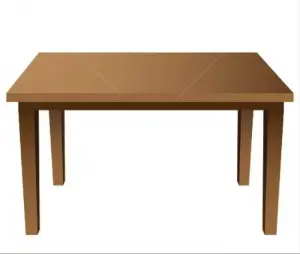
    So all you need is to learn some tips and tricks for building furniture. For me, building furniture is all about pleasure and joy. However, you need some necessary tools for the work.

    Steps For a Woodworking Novice:

    There is some manual and machine woodworking tool which can ease your work. Using the tools you will get a great perfection. This article will educate you regarding the easy steps to be followed to get a better-finished wood product of your preference.

    Step One: Begin with a simple project

    Tips For Non-Carpenters on How to Build Your OwnIf you are new to the woodworking niche then it is better to start with an easy job. Let’s take a task of making a simple coffee table. Begin the work. Make it simple. Do not go for a rounded, grooved or notched design. Here you should learn the basics of the carpentry skills. At first, you need to learn about cutting straight wood with correct measurements and joining two pieces of wood. Trying your hand out with small woodwork project is better as they are simple and inexpensive.

    Step Two: Get on the same page with your partner

    Think, imagine and analyze the things. If at all you have a partner with you just discuss and try to be on the same page. It has been seen that two mind is better than one. So frame a good idea about the type and design of the furniture before starting the task. You can design it with your own preference. Some people are keen about the functionality while others appreciate good looks.

    Step Three: Plan your own furniture

    Planning is very important before starting any project. It gives you a clear step by step guide to finish your task. So here you can Google a little to identify a good design for your coffee table. with the help of a photo editor, you can take out the hard copy of the blueprint. This outline design can be used for correct dimensions and other measurements. Thus you can get a clear idea to fit the pieces together.

    Step Four: Make an estimate

    Estimate the quantity of wood and the other supplies you require for the project. Identify the wood type you need for making the table. Now you can run to a store to know the actual prices of the making materials. Make a budget for your project. Here you can know whether building a table at home will save your money. If you find everything good and it is a cost effective project for you then you can go ahead with your plan.

    Step Five: Google for books and guides

    As you are a newbie to the field you might not be aware of the best cutting method. So investigate a little in the area. You will get lots of online help regarding the cutting and measuring strategies. Further, you need to know about how the woodwork joints. Reading a user manual can help you out for sure.

    Step Six: Measure twice before you cut

    Tips For Non-Carpenters on How to Build Your OwnBe careful, do not hasty. Measure the wood and check it once more before you cut it finally. If you cut a piece with the wrong measurement the whole wood will go waste. Always prefer to buy good and advanced tools available in the market. The machine tools you need at this stage are like a miter saw, circular saw, sanding machine, and the electric drill. Click here to enhance your woodworking skill through choosing the best tool for you.

    At the final stage do not rush. Complete your finished product with utmost patience. Be ready to accept little faults as you are not a professional woodworker. Though not the perfect one but you made your first table. Be happy with your creation.

  • Is the Bow an Effective Self-Defense Weapon for Self Defense?

    Is the Bow an Effective Self-Defense Weapon for Self Defense?

    Home Defense Bow - Could It Be the Most Effective Self-Defense Weapon?
    Buy at Amazon

    This is a guest post, I don’t agree that a bow is anywhere close to being the most effective self defense weapon, but in the spirit that people who don’t/can’t own firearms still need self defense tools I am posting it.  Besides I still get comments on my video discussing why I don’t like the .410 Judge for a self defense gun.

    Archery for home defense…hmmm… you think this is the silliest thing you’ve ever heard?

    Let me give you a story:

    In 1997, a tale was given of how Claude Gates successfully defends his shop against intruders with only a crossbow. He ordered the burglar to stop, but he refused to, prompting Mr. Gates to fire two shots at him. One of the bolts struck him on the side while the other hit his leg. Mr. Gates was hesitant to acquire a firearm in fear of it being used against him in the heat of the battle. The victim and was arrested!

    More such incidents of people using the bow and arrow to defend themselves have been documented, making it clear that archery-based weapons are effective at defending yourself from a physical threat (when in the hands of the right person).

    When put on a comparison table with a firearm, the most trusted self-defense weapon by man, archery for self-defense shows a number of benefits that I’ll be discussing with you in a few moments…

     Advantages of Home Defense Bow

    Portability

    One of the things you’ll get to like about using home defense bow is the portability it gives you.

    Take for instance the highly efficient takedown bow; it comes in three pieces – middle grip section and two limbs – which you can easily separate by twisting a few lug screws and bam! It becomes extremely portable, unlike most of the home defense options.

    You can quickly stash the bag in your bug out bag for easy carry. Plus, it’s incredibly lightweight, adding to its portability.

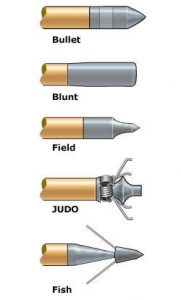
    VersatilityTypes of arrowheads

    Modern bows have seen tremendous improvements, making them even more suitable for the self-defense task.

    Most of the new carbon fiber arrows you’ll get on the market today come with a handy tip that works with a variety of screws in your arrow tips.

    This means you’ll have an extensive selection of tips to pick from, from the standard practice tips, small games tips, broad head tips, hook tip, and so much more.

    Home Defense Bows Works Silently

    When in a self-defense situation, you’d need the convenience of a silent and deadly weapon.

    Lucky for you, the bow and arrow makes an ultra-quiet but deadly weapon.

    Imagine a scenario where you’re camping in a national forest, and you find yourself under attack in the middle of the night. If you’d just place yourself in a dark corner (where you can easily observe them) with your arrow docked on your bow, the attackers ill have a really hard time telling your exact location.

    This will be a huge plus for you, as you’ll have an easy time taking them down, one by one.

    Affordability

    We’re living in hard economic times. That being said, you’d want to look for an effective self-defense weapon that does not cost you a fortune.

    Despite their effectiveness, the bows come with pocket-friendly prices which make them affordable for all, including those on a tight budget.

    Besides the bow, the ammunition (arrows) is also cost effective. Once you’ve fully cultivated your archery skills, you’ll find it easy to retrieve all your arrows after making shots and reuse them again and again.

    Even better, you can practice making your own bow using readily available materials – like wooden dowels plant shafts, or even the natural found wood.

    Legal Limitations

    You’ll agree with me when I say the legal restrictions tend to be less strict on bows and arrows than with the guns and bullets.

    With this in mind, you’ll enjoy the freedom of using an equally deadly weapon without having to deal with any permits and paperwork.

    And the less you have to deal with all this paperwork, the better – particularly when things become messy.

    The only (Main) downsides associated with using archery for self-defense:

    • You’ll need to undergo some intense practice to master archery skills for efficient shooting
    • The arrows might become a bit cumbersome to pack sometimes.

    Powerful Tips To Get The Most Out of Your Home Defense Bow

    Know the capabilities and limitations of your weapon.

    For instance, the crossbows – the most popular home defense bows – come with different levels of strength.

    The higher the power of your crossbow, the harder it might become to pull the string. A 50lb model will be the easiest to pull back as it comes with the least strength; the 150lb models have superior shooting power but will take time and energy to load.

    Practice shooting with your bow regularly.

    If you buy your home defense bow and keep in your basement, only to retrieve it when intruders come to your home, it might not offer you much help.

    An experienced archer knows the importance of regular practicing with their equipment; it keeps them fully prepared to face any attack that comes their way.

    Also, you’d want to consider investing in additional accessories, like a drop away arrow rest.  They give you a better archery experience.

    Use the Home Field Advantage

    When under attack, always remember to use the familiarity of your home surroundings to your advantage.

    No intruder knows your property more than you do. Exploiting this advantage in your strategy will give you an advantage over any intruder!

    Always have a backup weapon.

    Although it’s relatively rare, your bow might fail when you’re in the midst of an attack. To prevent such unfortunate incidents, I’d advise you to carry a backup weapon, pepper spray.

    Having empty hand combat skills will also be a significant advantage. Know how to kick, throw a punch, escape common holds, and the pressure points. If you’ve already to shoot the intruder and it hasn’t weakened them, try exploiting their wound to your advantage in close range combat.

    Know the laws of your region.

    Despite the lax laws on archery weapons, some states don’t allow folks to use them.

    They consider a bow as a deadly weapon, given its ability to kill a person.

    Shooting a person who hasn’t been involved in illegal activity with your bow could lead to serious legal consequences.

    Get an Alarm System

    Do you have an early means of warning?  This could be a home security system or a dog that barks to alert when your home is under attack. This will help you arm yourself in advance as well as secure your family.

    Final Thoughts

    With your home defense bow, you can easily fight any attackers at your home. As with any other home defense weapon, the effectiveness of your bow will largely depend on the archer (you). With the right strategy execution and preparedness level, you can easily defend your home, business, etc.

    The best part about using archery for home defense is that it’s also a hobby that helps relieve stress while increasing your “archery IQ.”

    Even if no intruder enters your home in your lifetime, you’ll have enjoyed a fun, inexpensive hobby!

    Check out this video:

  • 3 Ways to Prepare Children for Disasters

    3 Ways to Prepare Children for Disasters

    3 Ways to Prepare Children for Disasters
    Buy at Amazon

    Though some people do not want to think about it, disasters may occur no matter what. It is vital for parents to ensure that each member of the family is ready for a disaster. What should a parent do to prepare a child for unfortunate situations? The information below 3 Ways to Prepare Children for Disasters may help.

    Encourage Memorization

    In order to prepare a child for a disaster, it is necessary for a parent to teach a child personal information. If the child separates from the family during a disaster, he or she should carry the knowledge of the location of his or her home. The child should also know his or her name. It may not be easy to teach this information; however, that does not make the information less valuable or critical. The parent may wish to quiz the child on a frequent basis.

    Understand the Signs

    It is vital for a child to understand the signs of a disaster. It may not be possible for a parent to reach the child; therefore, the child should be aware of the signs of a dangerous situation. When the child understands, it is easier for the child to get away from fires, floods, and other disasters. The child should carry a cell phone; if a phone call is necessary, a loved one may be reached. If the home is unsafe, it is indispensable for the child to have a designated second shelter. A neighbor’s house or a church may suffice.

    Teach Camping Techniques

    It is not enough for a child to learn the signs of a disastrous situation; if a parent wishes to prepare a child for an emergency, camping techniques are crucial. A child should understand the steps necessary for assembling a tent. This does not have to be a dull lesson; the parent may wish to wait for a camping trip in order to add an element of adventure. If the family cannot go on a camping trip, the parent may wish to enlist a child in a summer camp program. Summer camp allows a child to learn critical survival techniques and interact with people of different backgrounds.

    People do not like to think about disasters. Disasters lead to dangerous and deadly situations; this makes it an unattractive subject. However, a family should understand the steps that are necessary for these situations. If the family has children, the children should be aware of what to do in order to survive. The parent may wish to help the child memorize the physical address of the family. It is also beneficial for the child to know how to tackle basic camping strategies. When a child is aware of what to do, a disaster is less likely to push a family apart.