We have been doing a lot of podcasts dealing with alternative construction, and today we continue this trend by hosting one of the leaders in the strawbale building community. The Shepherd School is proud to get to talk to Andrew Morrison of strawbale.com.
Andrew Morrison has been a strawbale builder for more than a decade and has hands on experience building hundreds of homes using strawbales as the main building material.
Strawbale is cheap, provides awesome insulation, has great sound-deadening properties, and amazing fire and insect resistant properties – I know that sounds counter-intuitive – but listen to the show and here Andrew Morrison explain why.
You can learn more by visiting his blog and store at the links below:
We have also embedded a video below from Andrew Morrison talking about his workshops – it is a very good way to get manpower to build as well as help learning about the process.
I have long been interested in strawbale construction, I am very excited to talk to Andrew.
The show is scheduled for Monday at 10pm central time at this link.
Quick and Dirty Transformer Design and Construction is a small book of48 pages.
Basically it reprints two articles for transformer builders:
1. Design and Building Transformers, Technical Service Bureau Bulletin D-111, 1938, second edition.
2. Induction Coils by Charles Underhill, extracted from Standard Handbook For Electrical Engineers, 1922.
Basic understanding of transformer design is a very useful bit of knowledge to have. I used a very rudimentary understanding to create a spot welder by rewiring a microwave oven transformer.
I have also seen people create small power grids using home-built transformers.
If you can design transformers you can take the power you have and transform it to the power you need (within reason).
If you have high voltage at low amperage, and need low voltage at high amperage you can do that or the reverse. It is really just simple math that this book easily explains.
I have this book in my library, and I use it as a reference, when working on circuits. but it really isn’t something I use all of the time, but it is something I think would be invaluable if society ever had to rebuild itself.
The following guide shows how to make a PVC target stand construction should help you make a portable inexpensive option that is easily made at home with common tools.
One of the troublesome aspects of shooting can be finding a place to staple up your targets.
All too often we as shooters compromise a well prepared practice one more session because of a lack of suitable range equipment.
If you have looked into purchasing portable target stands, undoubtedly you have noticed that most equipment sold is either poorly designed or manufactured, awkward to set-up or transport, or expensive.
This makes a great target stand, but I have also used it as a barricade when teaching how to shoot from behind cover.
It works great for this because it cannot stand a lot of leaning and the shooter should learn how to shoot from behind cover without leaning on the object they are hunkered down behind.
PVC Target Stand Construction
Material list:
5 feet 3/4 inch PVC pipe
4 3/4 PVC “T” fittings
PVC pipe glue
Tools:
Miter box with Saw
Knife
Instructions:
Using miter box and saw, cut PVC pipe into 3 one foot sections, 2 eight inch sections, and 2 four inch sections. Carefully trim away rough edges on cut sides of pipe.
Glue one foot pipe into end of “T” fitting. On other end of fitting glue one four inch pipe.
Repeat once.
Take remaining foot long piece of pipe and glue it into the “T” fitting in a 90-degree angle to the first length of pipe.
Glue the next section to the other end of the pipe forming a “U”
Next, glue an unused “T” fitting to an eight-inch pipe. Glue a four-inch pipe into the other end of the “T” fitting.
Repeat once.
Glue each new pipe section into the “U” so as to form an “H”. Take care so that when gluing the pipes together, when the completed stand is lying on the ground, the second “T” is pointed upwards.
Once the target stand is completed, preparing it for use is simple. Staple your target to a framework made of wood lathe. Place the ends of the target into the open “T”. Once the target is standing in the frame, you are ready shoot.
This is Not the Only Method
There are a lot of ways to make this kind of PVC Target Stand. The article shows how I made mine. However, I added a video from another YouTube creator to show an alternative method.
In my book reviews section I actually reviewed two books on PVC projects. Follow the links and you can get more information on PVC Projects for Outdoorsmen and Volume II More PVC Projects for Outdoorsmen. Both of these books have a lot of information on making gear out of PVC, things like target stands – and much more. If you want to get wild, I also have a review for a book on how to make a weaving loom out of PVC.

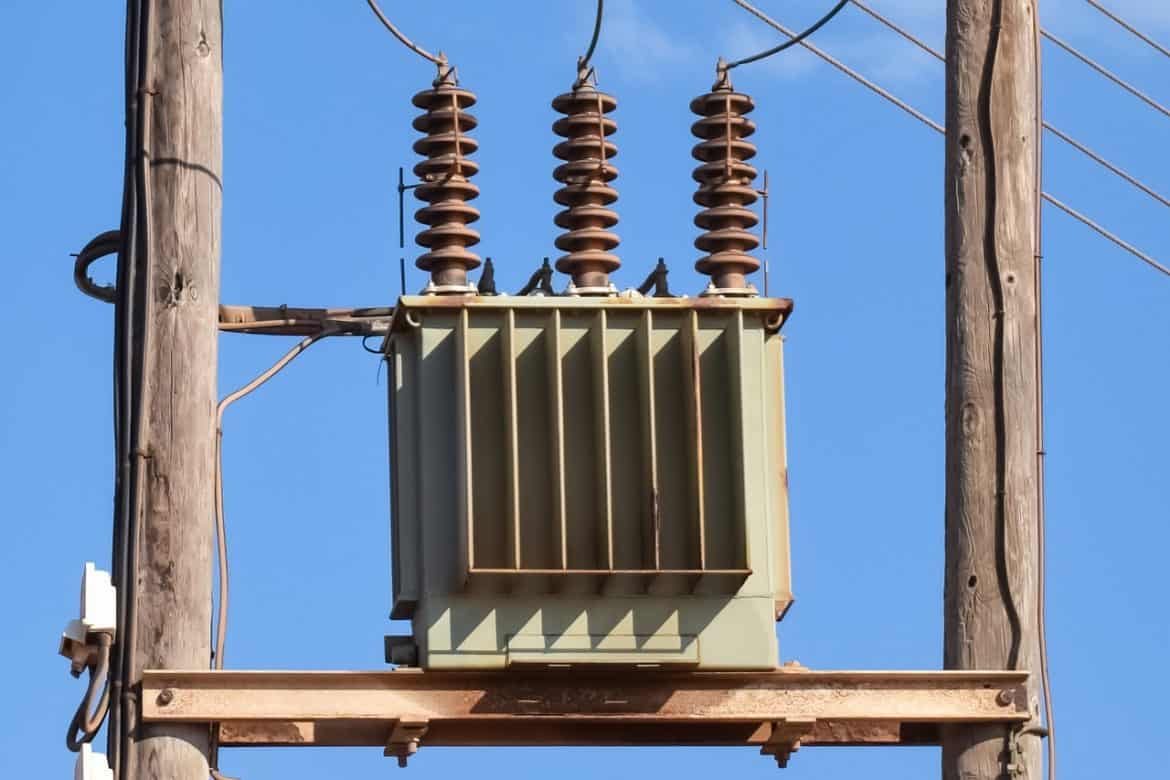

 Quick and Dirty Transformer Design and Construction is a small book of48 pages.

 The following guide shows how to make a PVC target stand construction should help you make a portable inexpensive option that is easily made at home with common tools.
 This makes a great target stand, but I have also used it as a barricade when teaching h