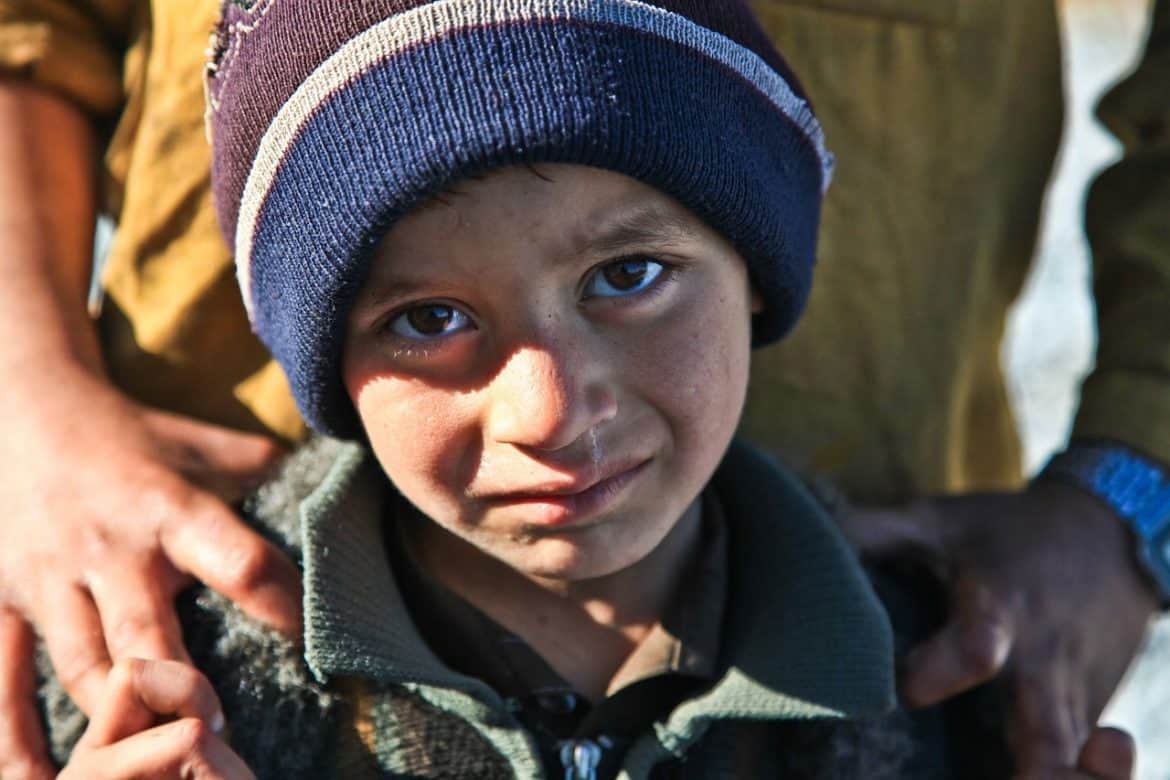
We live in a busy world. Devoted parents spend a lot of time working to provide the best they can for their children. It might seem different from the little ones, but most parents would rather spend time with them than go to work every day. However, since it is the way it is, here is a couple of father-son bonding activities, without going too far out of your way.
Teach Them to Use Tools
Share the traditional image of having a man around the house. Include your son in your next DIY project. It can be anything from fixing a leaking tap, to building a piece of furniture. Teach them to use the basic tools. Regardless of what some may believe, being handy is still a valuable set of skills. The best thing is that this type of creative work is something your son will enjoy a lot.
Build Toys Together
This is another opportunity to bond over a DIY project. This time you can create something that has a value to your child. Start with a simple project of making a slingshot, or bow and arrows. You can gradually move to something more elaborate such as making cars, boats, or model rockets.
Teach Them a Skill
It’s like riding a bike! There are some essential skills which are never forgotten, once learned. Be the one to teach them those skills. You will have a blast reaching milestones while teaching your child how to ride a bike. He will be incredibly excited once he finally manages to ride it independently. Be there for them when they learn how to swim or drive a car.
Take Him on a Camping Trip
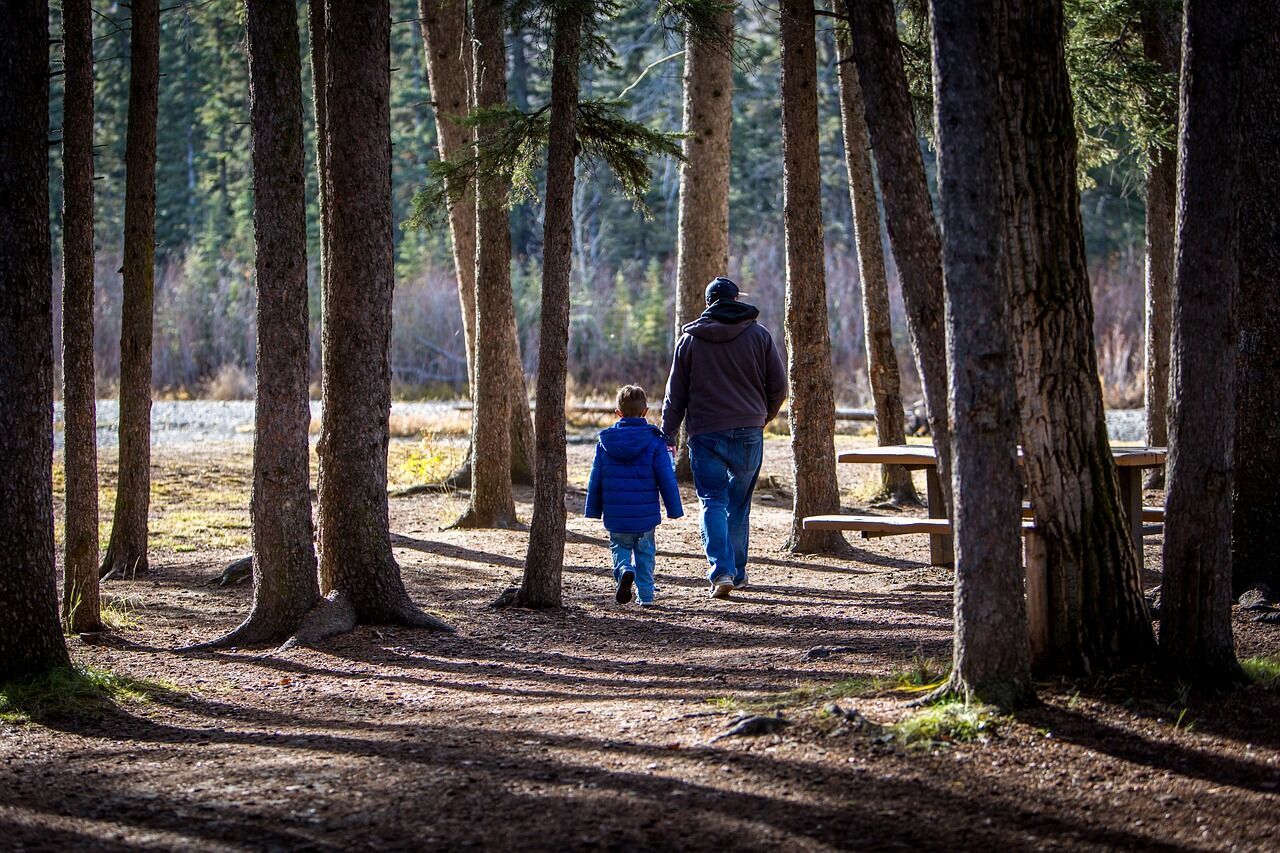
Well, take him on many camping trips. You do not have to go far or stay for too long. It could be just the two of you or the entire family. The girls will make the trip even more fun, and they will not diminish your bonding in any way. As a father, you can teach him how to get firewood, how to start a fire, put up a tent, explore nature etc.
Go Hunting or Fishing
These are perhaps two of the most traditional father-son activities. It involves a day spent in nature working on a mutual goal. The beauty of it is that while you are trying to reach that goal, you have a lot of time for just the two of you. You can fill it with conversation. Share your relevant experiences and ask him about his expectations. These activities create a perfect setting for spontaneous sharing.
Play Golf
You could play any sport, but golf has special connotation. You can watch golf lesson videos together, and get your son involved in the game early. It will help him later in life as it has proven therapeutic effects. He will stay active while spending time socializing. It could be used as a business lunch in form of a game and a place to form connections. For now, it will allow the two of you to connect.
Visit a Sporting Event
It is well-known that sons support their fathers’ favorite teams. Don’t take this away from your child. You could watch a game at home, and you should. However, watching it live is a completely different experience. Share this amazing energy and have something to remember and talk about later.
Enjoy Music Together
You can have fun bridging the generation gap. Ask your son about his favourite bands and take interest in them. Share what you think are classics, but do not insist on anything. Your child is looking for role models for everything in life. Your music is very likely to stick with him and shape his taste. Listening to the music your son enjoys can tell you a lot about his state of mind. If you play an instrument, this is another skill your child shouldn’t miss out on.
Play Games
Play games his way, and play games your way. Anything from board games, to video games, whatever makes your child happy. It is true that life-shaping moments are the most important, but the fun ones also matter.
Find time to enjoy your son’s company. Do not wait to become a grandfather to be a role model and loving support. Let your son know you do not care for him only in a practical way, but also in an emotional way. Find occasions to tell him you love him.
As I said in the video, Protection Dogs for You and Your Family was one of the first “prepper books” in my library – My definition being books that help me solve problems. At one time I was in the running to purchase a Belgian Malinois protection trained dog, and I needed to know what I was getting into.
Obviously if you have dogs, and especially protection dogs, I recommend this book.
I am going to risk being a little controversial and recommend it for parents also, not that I am saying your little precious is a dog, but because I think the book gives great advise on raising young animals to be confident and unafraid, it also shows the value of consistency, and very clearly articulates the essential element of the trainer’s actions and mindset in the training process.
My wife will whoop me if she ever reads this (hi honey- love you), but I follow some of this book’s guidance with little WT and he responds t0 me much better than he does his mother’s discipline, and no one can say I think of WT as anything less than my pride and joy – he is definitely not an animal.
Protection Dogs for You and Your Family is as much about you as your animal, and how you need to be fair, firm, and consistent with your subordinate animals.
Of course if you are looking at getting a bit dog, then make sure your ready, including having a good fence.
Any person who has begun to seriously prepare has had to make compromises between current wants and future needs, how much to spend on preparations, and how many people to stock supplies for. If you’re married, you need to have a spouse that shares your concerns or you’re going to fight over every no. 10 can the mailman delivers.
I don’t need to go into detail on how much you should store, or how to store it or what makes the cut on your list of lists, as survivalblog.com has visited this issue in depth.
The purpose of this article is to help communicate the need to prepare with those in your family that you want to help without alienating them, or downgrading your own preparedness plans. Learning how to deal with family that doesn’t understand prepping is as important as learning how to prep
I am a professional firearm instructor, and am also employed full time as an emergency management planner. Due to my job, my hobbies, and my personal beliefs, my former mother-in-law delighted in trying to insult me by calling me “Sgt. Tackleberry”. She was unreachable, and not worth my effort to try to convince her of the importance in prepping. She would rather buy timeshares of vacation property than spend money on a basic 72 hour kit. That works for her, and I cannot judge her, but she would not be “come live with me if it ever did happen” as she believed. Other members of my family have thought my preparations were a “phase” or some harmless idiosyncrasy.
Those family members did not have a negative view of my preparations. Historically my family looked at my preparations with amusement. They tolerated my teenage experiments with wild foods or earthquake kits. As I have grown older, and they have seen things on the horizon that personally touches them, they have begun to ask me for my opinion on coming winter storms, or should they buy gold or guns.
It’s like being a firearm instructor and people asking you which gun to buy. If you do your homework and build credibility people respect you more. If you take the long view and work diligently these members of your family could be “converted” with patience and work. While I cannot assume responsibility for them and make them prepare for disasters, I can be a role model and sounding board to help them understand the issues at play so that they can build a plan that works for them.
If the world as we know it collapses, it’s not only about survival. Once your survival needs are met, you’re going to have to rebuild, your going to have to continue with your life. Having your loved ones with you makes that a lot easier. The problem is that each person I add to my retreat lowers my safety margin IF MY SUPPLY AMOUNTS REMAIN FIXED, but if those people I add to my retreat bring their own supplies with them it dramatically increases my safety margin. To me it is definitely worth it to help your family prepare. Getting your family to understand prepping is vital to long term security.
I have a few concepts that I use when dealing with family that doesn’t understand prepping.
My first precept of dealing with family is not to preach. My preparations are based on my needs and the things that I believe are important. Each person has their own priorities, and preaching that you are right and they are wrong only pushes them away from the direction you need them to go.
My second is never to prepare for a particular event. I am sure there is still a lot of rotting food out there that was bought in bulk specifically for Y2K and some of those that bought it are convinced it was a waste of money. I tell my family that my food storage can be used for Y2K, Armageddon, TEOTWAWKI, Pandemic Flu, Nuclear Winter, Job loss, or when I just don’t feel like cooking. By having an all hazards approach and building capability and skills rather than building for specific events my planning work gets more bang for the buck. The first time I read of the Deep Larder was an “Ah Ha” moment for me and changing my terminology has worked well in changing the response I get from my close loved ones.
My last precept of helping my loved ones see the need to prepare is that if I have limited resources and time (and that’s a given) that is better to foster an appropriate mindset than concentrate on gear acquisition. I could buy my mom a Springfield Armory M-14 and 10,000 rounds of match ammo, but it would be much more effective to get her to go with me to the range a couple times with a .22 and help foster a desire to shoot and then help her choose a firearm that fits her needs and desires.
Whenever the family conversation gets around to disaster preparation I bring up concepts like “buying car insurance is considered a responsible action, but you don’t have any tangible benefit from buying it, if you never get into an accident. With having a deep larder, even if zombies never attack, I still have the food.” Or as Dave Grossman has said you never hear of elementary schools burning down but they all have fire extinguishers. My favorite is “Noah built the Ark BEFORE the flood”. I try to break everything down into manageable bites rather than cram it in and have them tune me out. All this is is disaster insurance.
The best case scenario is that your loved ones see the need to prepare for themselves and begin planning and preparing on their own, therefore augmenting your plan. You cannot out argue someone into adopting your position. As Dale Carnegie said “Those convinced against their will are of the same opinion still.” What has worked for me is a quiet and consistent approach.
I love my family and want what is best for them. The best way I know to do that is to help them become more aware of the need to prepare. My goal is to foster a since of self sufficiency and personal responsibility, and to help mentor them through the beginning steps of basic preparedness.
Imagine how overwhelming it was when you first began to prepare, there is a LOT to learn, and even more skills and equipment to acquire. We know that we cannot stock everything needed or prepare too much. The process of preparing is every bit as important as the items you acquire.
Researching and prioritizing is mental prep work so that when a large disaster occurs we are not comatose with emotional overload. If I coddle my loved ones and try to remove the responsibility to prepare for themselves from them then I am doing them a disservice, and when the hard times comes they may not be emotionally ready to deal with the collapse. What’s worse is that making them dependent on my charity would cause strain on otherwise healthy family relationships.
Because of this, I feel it is worth supreme effort to work with my loved ones to prepare so that we can grow together in adversity and make our family bonds stronger.
This Christmas I had my breakthrough, my parents asked me what they could do to prepare, and we had a very long discussion and came away with a workable plan. Their location is more favorable for a long term retreat than my own, and they are going to provide the location and storage space for most of my preps. We both win in the end. Shortly after that discussion our town had an unusually long cold spell. In the days before it we talked more about our short term plans and communication protocols and procedures. While we did not have to evacuate to my parents, it was nice having all the details ironed out in the event we had to.
All things considered being part of a Family That Doesn’t Understand Prepping is difficult, but if you are consistent, calm, and show (not tell) that you are doing this because you love your family then eventually they will understand.
Don’t let your prepping cause you to loose the reason you are prepping in the first place.
Though some people do not want to think about it, disasters may occur no matter what. It is vital for parents to ensure that each member of the family is ready for a disaster. What should a parent do to prepare a child for unfortunate situations? The information below 3 Ways to Prepare Children for Disasters may help.
Encourage Memorization
In order to prepare a child for a disaster, it is necessary for a parent to teach a child personal information. If the child separates from the family during a disaster, he or she should carry the knowledge of the location of his or her home. The child should also know his or her name. It may not be easy to teach this information; however, that does not make the information less valuable or critical. The parent may wish to quiz the child on a frequent basis.
Understand the Signs
It is vital for a child to understand the signs of a disaster. It may not be possible for a parent to reach the child; therefore, the child should be aware of the signs of a dangerous situation. When the child understands, it is easier for the child to get away from fires, floods, and other disasters. The child should carry a cell phone; if a phone call is necessary, a loved one may be reached. If the home is unsafe, it is indispensable for the child to have a designated second shelter. A neighbor’s house or a church may suffice.
Teach Camping Techniques
It is not enough for a child to learn the signs of a disastrous situation; if a parent wishes to prepare a child for an emergency, camping techniques are crucial. A child should understand the steps necessary for assembling a tent. This does not have to be a dull lesson; the parent may wish to wait for a camping trip in order to add an element of adventure. If the family cannot go on a camping trip, the parent may wish to enlist a child in a summer camp program. Summer camp allows a child to learn critical survival techniques and interact with people of different backgrounds.
People do not like to think about disasters. Disasters lead to dangerous and deadly situations; this makes it an unattractive subject. However, a family should understand the steps that are necessary for these situations. If the family has children, the children should be aware of what to do in order to survive. The parent may wish to help the child memorize the physical address of the family. It is also beneficial for the child to know how to tackle basic camping strategies. When a child is aware of what to do, a disaster is less likely to push a family apart.




 As I said in the video, Protection Dogs for You and Your Family was one of the first “prepper books” in my library – My definition being books that help me solve problems. At one time I was in the running to purchase a Belgian Malinois protection trained dog, and I needed to know what I was getting into.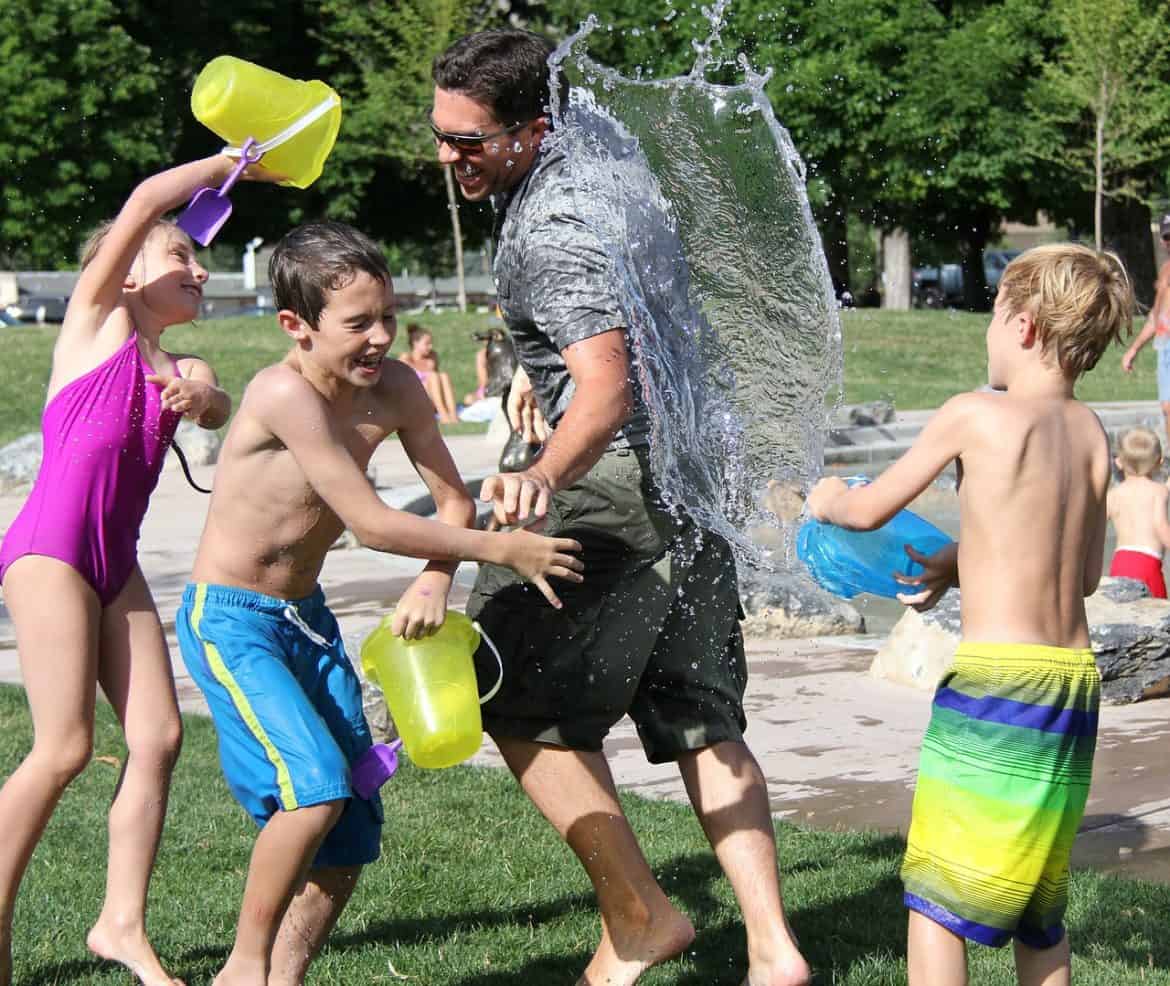

 Any person who has begun to seriously prepare has had to make compromises between current wants and future needs, how much to spend on preparations, and how many people to stock supplies for. If you’re married, you need to have a spouse that shares your concerns or you’re going to fight over every no. 10 can the mailman delivers.