
Growing mushrooms for the first time can feel both exciting and a little intimidating. With so many mushroom varieties available, new growers often do best when they start with mushrooms that forgive small mistakes and produce reliable results.
The right variety can make the learning process smoother from the start. Instead of chasing rare or finicky options, focus on mushrooms that grow well in simple setups and respond well to basic care.
Oyster Mushrooms
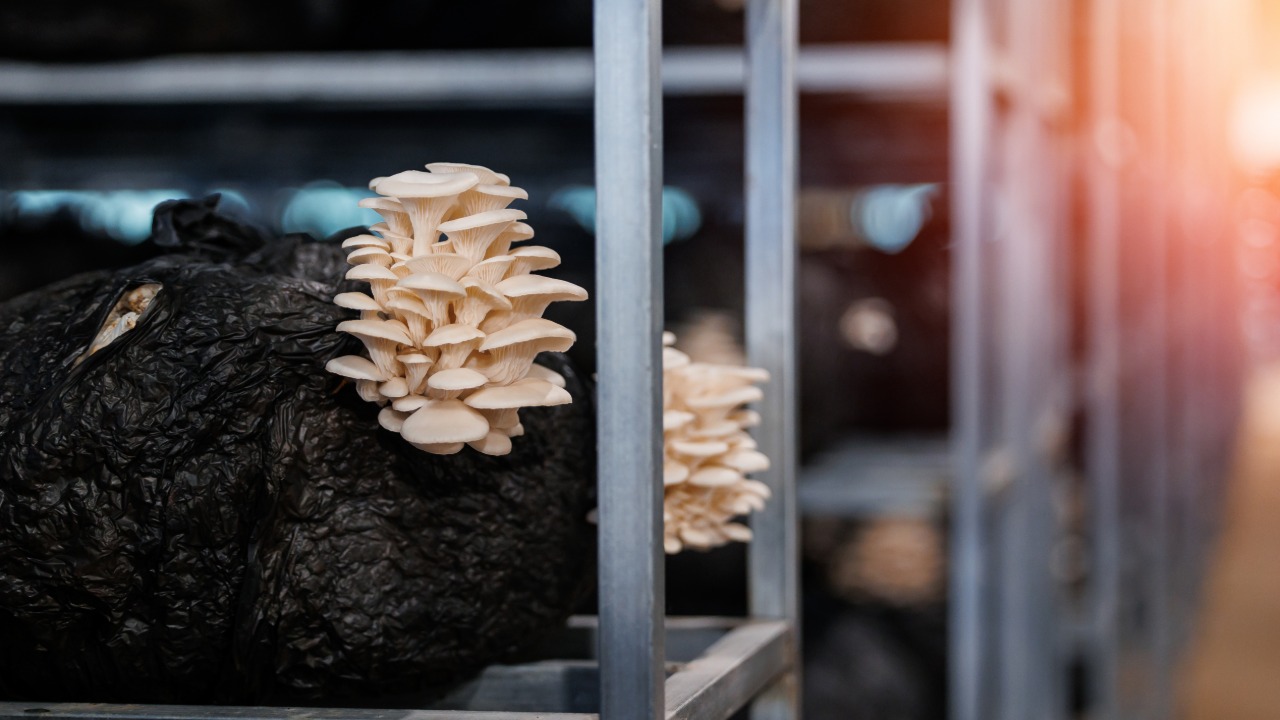
Oyster mushrooms rank among the best choices for beginners. They grow quickly, adapt to different growing materials, and often produce visible progress fast enough to keep new growers motivated.
They also come in several types, including blue, pink, and pearl oysters. That variety gives beginners some room to experiment without jumping into a crop that demands perfect conditions.
Lion’s Mane
Lion’s mane offers a great option for growers who want something unique without taking on too much difficulty. Its shaggy white shape stands out right away, and many beginners enjoy growing something that looks so different from standard grocery store mushrooms.
This variety still needs attention, but it usually rewards steady care with a memorable harvest. Many people also like its culinary appeal, which adds another reason to start with it.
Shiitake Mushrooms
Shiitake mushrooms make a strong next step for beginners who want a classic variety with broad appeal. They may take more patience than oyster mushrooms, but they offer rich flavor and a familiar name that many growers feel excited to cultivate.
Shiitake can help new growers build confidence with timing and environmental control. When starting a mushroom farm, choosing a crop with strong market recognition can also make early planning feel more practical.
Button and Cremini Mushrooms
Button mushrooms and cremini mushrooms may seem like the most obvious beginner choice because people recognize them so easily. In practice, they can feel a bit more demanding than oyster mushrooms, especially for a first attempt.
That does not make them a bad option. It simply means beginners may want to approach them after gaining some experience with easier varieties that teach the basics more clearly.
Pick for Your Setup
The best mushroom for a new grower often depends on the growing space as much as the variety itself. A simple indoor setup with controlled humidity may support one type well, while a garage, shed, or small outbuilding may suit another better.
Think about how much time you want to spend checking conditions each day. A beginner-friendly mushroom should match both your interest level and the space you can manage consistently.
Start Simple and Grow From There
New growers do not need to master every mushroom variety at once. A simple start with oyster mushrooms, lion’s mane, or shiitake can teach the habits that matter most without creating unnecessary frustration.
The best first crop builds confidence as much as skill. Once you learn how mushrooms respond to moisture, airflow, and timing, it becomes much easier to branch out and try more challenging varieties.