
Starting a small farm can feel overwhelming when choosing your first livestock. The right animals make the difference between a thriving operation and costly mistakes that drain your time and budget.
Successful small farms begin with animals that are hardy, manageable, and profitable. You want livestock that can handle your local climate, don’t require extensive infrastructure, and provide multiple income streams or food sources for your family.
Chickens: Your Gateway to Farm Life
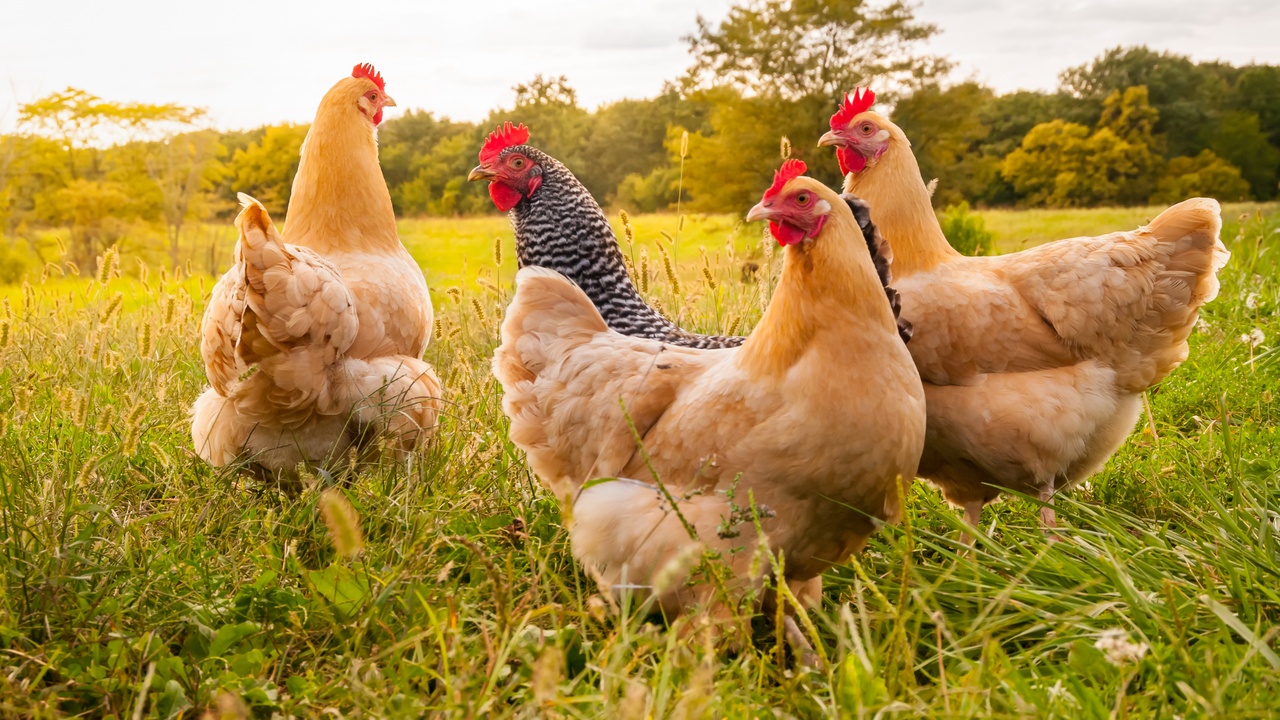
Chickens top the list for good reason. They require minimal space, provide both eggs and meat, and are relatively inexpensive to start with.
A small flock of 6-8 hens will supply your family with fresh eggs daily. Chickens also help with pest control and produce valuable fertilizer for your garden. Build a simple coop and run, and you’re ready to go.
Start with hardy breeds like Rhode Island Reds or Australorps. These birds handle weather changes well and lay consistently throughout the year.
Goats: Versatile and Profitable
Goats offer exceptional versatility for small farms. They provide milk, meat, and fiber, while requiring less pasture than cattle.
Nigerian Dwarf and Nubian goats are excellent choices for beginners. They’re manageable in size but still productive. A good dairy goat can produce 3-5 quarts of milk daily when properly cared for.
If you’re interested in goat milk production, then following the proper milking techniques becomes essential for maintaining quality and animal health. Goats also clear brush and weeds, helping you manage your land naturally.
Rabbits: Maximum Production, Minimum Space
Rabbits pack incredible efficiency into small spaces. They reproduce quickly, convert feed to meat efficiently, and their manure is one of the best fertilizers available.
New Zealand Whites and Californian rabbits are meat breeds that handle various climates well. A trio of rabbits can produce hundreds of pounds of meat annually, while occupying just a few hutches.
Rabbit meat is lean, healthy, and has growing market demand. The fur and manure provide additional income opportunities.
Sheep: Low-Maintenance Grazers
Sheep work well for farms with adequate pasture. They’re generally docile, provide wool and meat, and help maintain grassland through rotational grazing.
Katahdin and Barbados Blackbelly sheep are hair sheep breeds that don’t require shearing. This eliminates the wool processing learning curve, while still giving you quality meat production.
Key Factors for Success
Consider your available time, space, and local regulations before making decisions. Start small with one species and expand gradually as you gain experience.
Familiarize yourself with local feed suppliers, veterinarians familiar with livestock, and potential markets for your products. Having these relationships established before you need them saves stress later.
Factor in infrastructure costs like fencing, shelters, and feed storage. These upfront investments pay dividends in easier daily management and healthier animals.
Start Smart, Grow Steady
The best small farm animals for beginners are those that match your resources and goals. Chickens and rabbits offer quick returns with minimal investment. Goats and sheep provide larger-scale production as you develop your skills.
Focus on learning proper animal husbandry with your first species, before adding others. Quality care for fewer animals beats mediocre care for many. Your small farm journey starts with choosing animals you can manage well and grow with over time.