
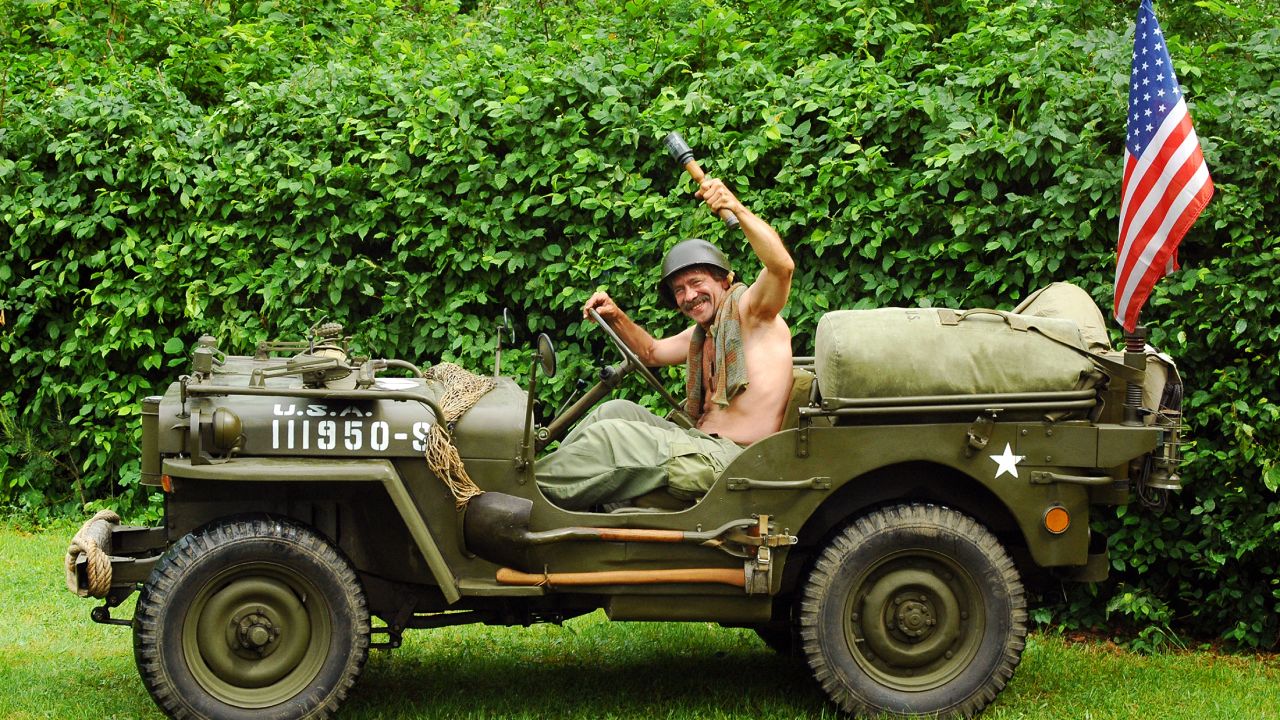
Your meticulously restored Army Jeep represents countless hours of dedication and craftsmanship. However, outdoor exposure poses constant threats to this investment through moisture infiltration, UV radiation, accumulated debris, and temperature extremes. Understanding how to protect your restored Army Jeep from outdoor elements ensures your vehicle maintains its pristine condition for years to come.
Understanding Environmental Threats to Your Vehicle
Knowing how outdoor elements affect your Army Jeep helps you take targeted steps to protect it. Each environmental factor presents unique challenges that require specific preventative care.
Moisture and Corrosion Damage
Rain, humidity, and snow create the perfect conditions for rust formation on metal surfaces. Water penetrates small cracks in paint or protective coatings, initiating corrosion processes that can compromise structural integrity. Snow accumulation traps moisture against metal components, which accelerate deterioration during freeze-thaw cycles.
Solar Radiation Effects
Prolonged sun exposure degrades paint finishes, causing fading and chalking over time. UV rays also attack rubber seals, hoses, and gaskets, which make them brittle and prone to cracking. Dashboard plastics and vinyl interiors suffer similar degradation when exposed to intense sunlight.
Abrasive Contaminants
Dirt, mud, and road debris create microscopic scratches on painted surfaces during cleanup. These scratches provide entry points for moisture and contaminants. Off-road adventures compound these effects by exposing undercarriage components to abrasive materials.
Paint Protection Strategies
Protecting your Jeep’s paint is essential to guard against the harsh outdoor elements. Implementing the right finishing and maintenance techniques ensure long-lasting durability and appearance.
Quality Finishing Techniques
Durable paint systems serve as your primary defense against environmental damage. Multiple primer coats create strong adhesion to metal surfaces, while high-quality topcoats resist UV degradation and moisture penetration. Professional-grade automotive paints outperform standard alternatives in longevity and protection.
Protective Coating Applications
Clear coat applications add an extra barrier against UV rays and minor scratches. Regular waxing every three months creates a hydrophobic surface that sheds water effectively. Rust inhibitor treatments on exposed metal areas prevent corrosion from starting beneath paint layers.
Maintaining Critical Metal Components
To keep your restored Army Jeep reliable and safe, you must regularly maintain its vital metal parts. Proper care prevents corrosion and extends the lifespan of these components.
Brake System Care
Brake lines require regular inspection for mud accumulation and early corrosion signs. Clean brake components monthly using appropriate solvents and pay special attention to connection points where moisture collects. Replace any lines showing pitting or surface rust immediately.
Protective Treatments
Apply corrosion-resistant sprays to exposed metal parts every six months. Focus on suspension components, exhaust systems, and undercarriage areas that face direct exposure to road salt and moisture. These treatments create barriers that repel water and prevent oxidation.
Preserving Rubber and Plastic Elements
Rubber components deteriorate rapidly under UV exposure and temperature fluctuations. Clean seals and hoses with appropriate cleaners, then apply UV protectant treatments quarterly. Inspect tire sidewalls for cracking and treat with specialized rubber conditioners to maintain flexibility.
Smart Storage Solutions
Covered parking provides superior protection compared to outdoor exposure, but proper ventilation prevents moisture accumulation underneath. Car covers offer reasonable protection but require breathable materials to avoid condensation issues. Elevate stored vehicles slightly to improve air circulation and prevent ground moisture contact.
Mastering how to protect your restored Army Jeep from outdoor elements requires consistent maintenance combined with proactive measures. Regular inspections catch problems early, while quality protective products extend component lifespans significantly. Your restored vehicle will reward this attention with decades of reliable service and maintained value.