
Gun ownership comes with serious responsibility, and that’s just the start of everything you need to know about gun safes. Safe storage protects your family, prevents theft, and often satisfies legal requirements. A quality gun safe serves as your first line of defense against accidents, unauthorized access, and theft of your investment.
Gun safes protect firearms from fire damage, floods, and curious children. Many states in the US require secure storage, making a gun safe a necessary component for legal compliance. Smart gun owners invest in safes to protect both their investment and their loved ones.
Types of Gun Safes
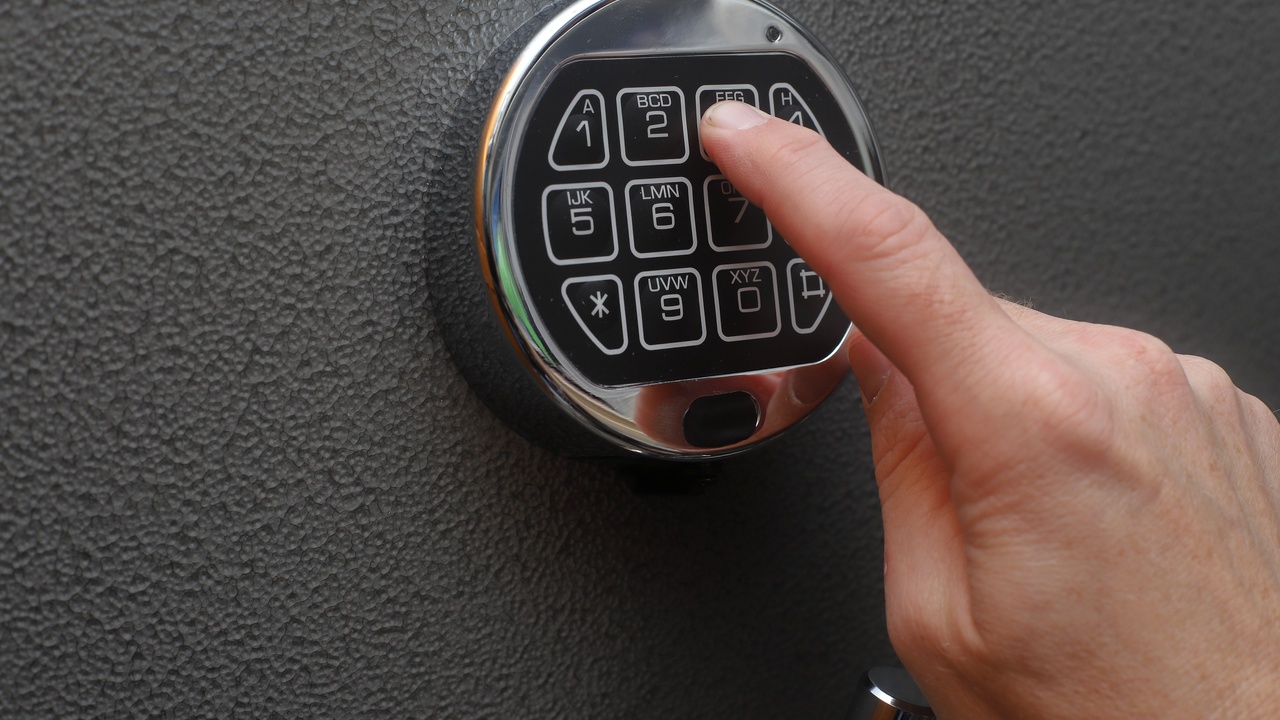
Electronic safes with digital keypads provide reliable security with programmable codes. You can change combinations easily and grant temporary access to family members. Battery backup allows access during power outages.
Mechanical combination safeswith traditional dial combinations never need batteries or electronics. These safes offer time-tested reliability but require more time to open. Mechanical locks often last decades with little maintenance.
Key lock safes with simple key access work well for basic storage needs. However, lost keys create security risks and access problems. Most experts recommend avoiding key-only safes for primary storage.
Key Features To Consider
Look for safes tested to withstand high temperatures for long periods of time. Standard ratings include 30, 60, or 120 minutes at temperatures up to 1,700 degrees Fahrenheit. Safes with higher ratings cost more but provide better protection for firearms.
Thick steel offers great security. Many safes are made from 12-gauge steel, while premium models feature 7-gauge construction. Thicker steel resists cutting tools and prying attempts effectively.
Multiple bolt systems secure the door at several points. Quality safes use at least four locking bolts, with premium models featuring eight or more. Active bolts on both sides maximize security.
Adjustable shelving and gun racks support the best use of storage space. Foam padding protects firearm finishes from scratches, and door panels often include storage for ammunition and accessories.
Installation Process
Full-size safes require adequate floor space and professional installation. Knowing what to expect when your gun safe is delivered will facilitate the installation. For instance, prepare the site beforehand.
A gun safe needs a solid foundation. Concrete floors are ideal, but reinforced wooden floors can also support smaller safes. Corner placement offers additional security by limiting access angles. Professional installation supports the appropriate placement and anchoring of your safe.
Maintenance Requirements
Clean the interior annually to prevent moisture buildup and corrosion. In addition, lubricate mechanical locks according to the safe manufacturer’s specifications. Most combination locks need service every few years to uphold smooth operation.
Document your combination in a secure location away from the safe. Finally, hire professionals to inspect your safe for wear and tear that may happen over time or with use.
Making Your Choice
Quality gun safes are long-term investments in security. Cheap safes often fail when you need them most. Research manufacturers, read reviews, and purchase from reputable dealers to stay informed about everything you need to know about gun safes.
Consider your needs, available space, and budget when selecting a safe. The best gun safe protects your firearms while providing reliable access when needed.