
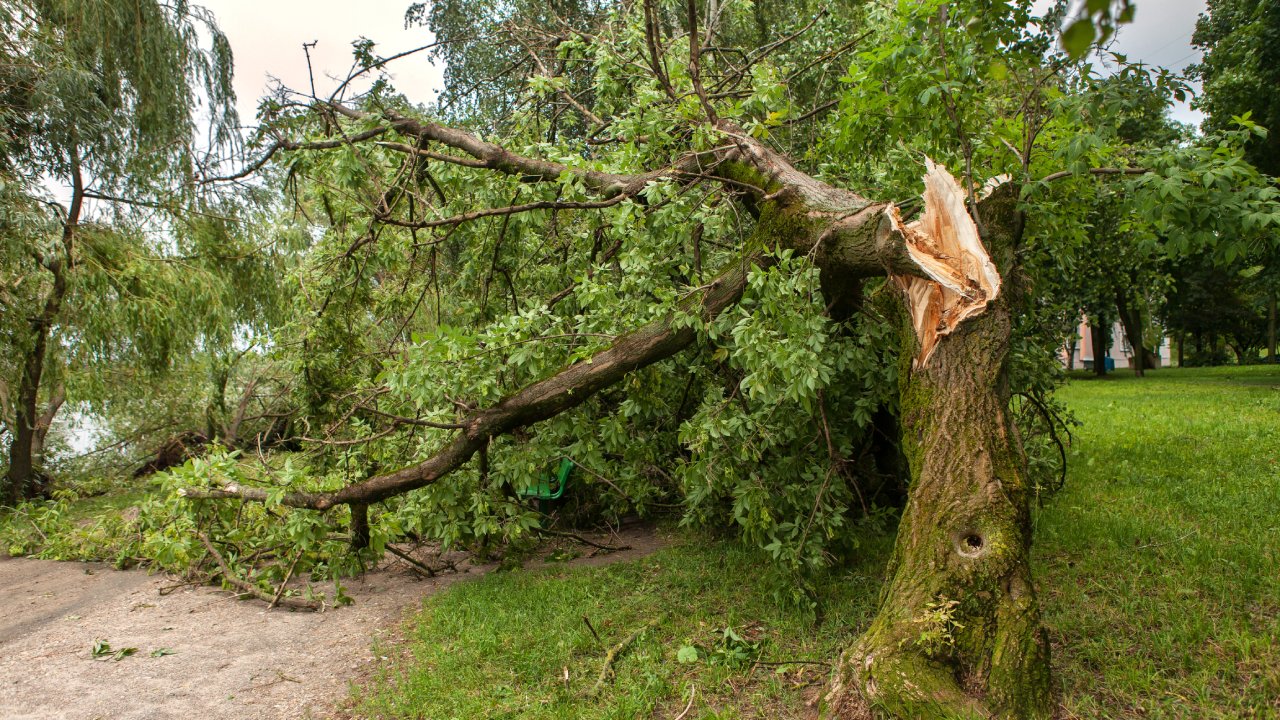
Storm damage can turn your peaceful farm into a challenging obstacle course overnight. Fallen trees block access roads, damage fences, and create safety hazards that need immediate attention.
While the sight of a massive oak sprawled across your pasture might feel overwhelming, removing fallen trees doesn’t have to break your budget or your back. Check out this quick list to get some easy tips for removing fallen trees from your farm ASAP.
Assessing the Situation: Safety First
Before touching any equipment, conduct a thorough safety assessment of the fallen tree and the surrounding area. Look up first—damaged branches hanging overhead pose hazardous risks even after the main tree has fallen. These unstable branches can drop without warning, especially during windy conditions.
Check for power lines in contact with the tree or its branches. Never attempt removal if electrical wires are involved. Contact your utility company immediately and maintain a safe distance from any downed power lines.
Document the damage with photographs before beginning work. This documentation helps with insurance claims and provides a reference point for planning your removal strategy. Once you know the safety situation, you can start gathering the necessary tools for cleanup.
Necessary Tools and Equipment
Proper equipment makes tree removal safer and more efficient. Your basic toolkit should include a reliable chainsaw with sharp chains, hand saws for precision work, and wedges to control cutting direction.
Personal protective equipment is a must-have. Wear a hard hat, safety glasses, hearing protection, cut-resistant chaps, and steel-toed boots. This gear might feel cumbersome, but it prevents injuries that could sideline you for weeks.
Heavy-duty equipment can significantly speed up the process. A tractor with a front-end loader moves large sections efficiently, while a skid steer navigates tight spaces better than larger machinery.
One of the best uses for grapple rake attachments on farms is removing fallen trees, so make sure you’re fully equipped to handle the obstruction on your property. Consider renting specialized equipment for large jobs. Log splitters, wood chippers, and portable sawmills turn cleanup into productive activities.
Dealing With Large Branches and Trunks
Let’s take a closer look at tips for removing fallen trees from your farm that may be more cumbersome than smaller debris. Large branches and trunk sections require different handling techniques than smaller stumps or branches. Use mechanical advantage rather than brute force. A come-along winch or tractor can position heavy sections safely without risking injury from manual lifting.
When sectioning large trunks, mark your cutting lines with chalk or spray paint before starting. This planning prevents mistakes that could waste valuable lumber or create handling problems.
Cut sections slightly longer than needed—you can always trim them shorter later. You can roll heavy logs using peaveys or cant hooks, specialized forestry tools designed for log handling. These tools provide leverage and control that prevent back injuries and give you precise positioning control.
Leverage These New Tips Now
Your farm’s long-term health benefits when tree removal becomes part of a comprehensive land management strategy. Each challenge offers opportunities to improve your property’s productivity, safety, and environmental value. Take time to plan thoroughly, work safely, and restore your property to a clean state.