
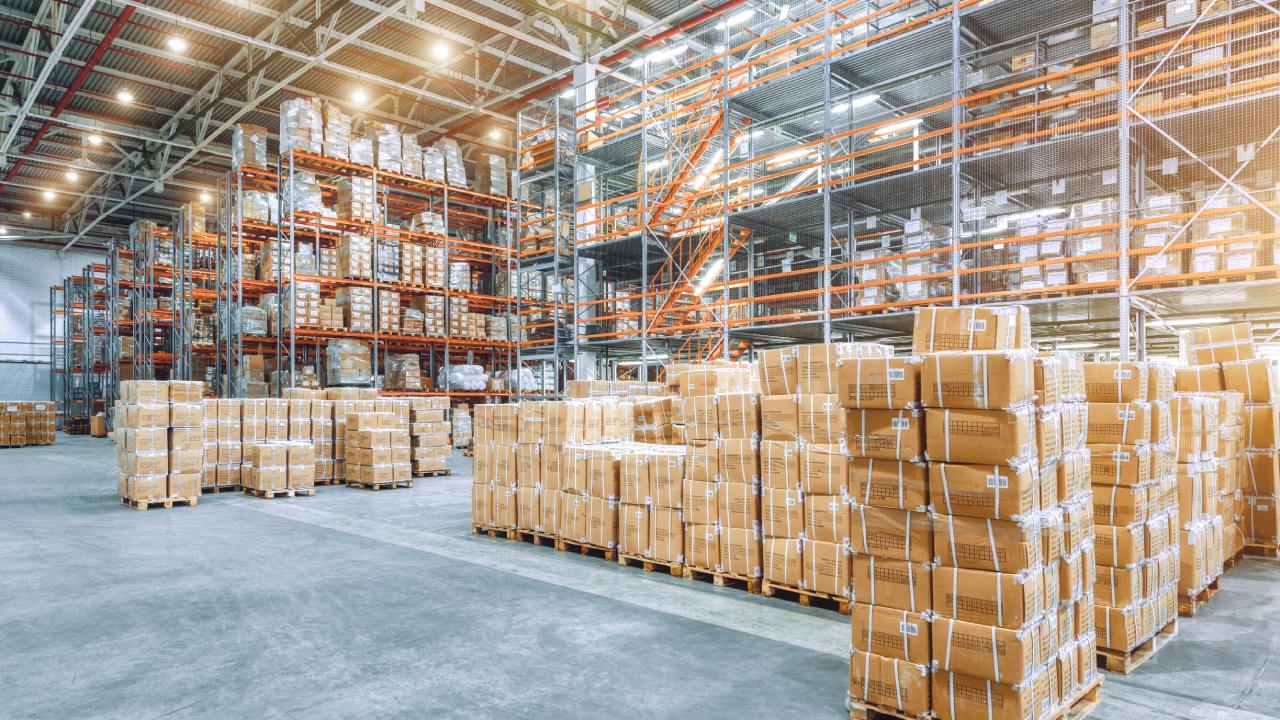
Warehouse efficiency directly impacts your bottom line. Every minute your operation wastes costs money, whether through delayed shipments, increased labor expenses, or inventory management problems. Smart warehouse managers know that small operational improvements compound into significant cost and time savings over time.
The difference between efficient and inefficient operations often comes down to systematic approaches that address workflow bottlenecks, space utilization, and technology integration.
Optimize Your Layout for Maximum Flow
Your warehouse layout determines how quickly workers move products from receiving to shipping. Poor layouts force employees to travel unnecessary distances, creating fatigue and slowing operations.
Position frequently picked items near shipping areas, and place heavy or bulky products close to loading docks to minimize handling time. Also, create clear pathways that prevent congestion during peak hours. Wide aisles accommodate equipment movement, while narrow zones work well for hand-picking operations.
Streamline Inventory Management Systems
Accurate inventory tracking prevents costly errors and reduces time spent searching for misplaced products. Implement systems that update stock levels in real time as items move through your facility.
Standardize your receiving processes to ensure accurate data entry from the moment products arrive. Train staff to verify quantities and the condition of items immediately upon delivery. This prevents downstream issues that slow picking and shipping operations.
Leverage Technology for Better Coordination
Warehouse management systems coordinate activities across departments, reducing communication delays and preventing duplicate work. These platforms track orders from receipt through fulfillment, providing visibility into bottlenecks.
Consider automated sorting systems for high-volume operations. While the initial investment may seem substantial, automated systems often pay for themselves through reduced labor costs and increased throughput.
Improve Your Packaging and Shipping Processes
Efficient packing stations reduce order fulfillment time while ensuring products arrive undamaged. Standardize packaging materials and procedures to minimize decision-making during busy periods.
When you incorporate load stretch wrapping into palletizing operations, shipments arrive more securely while reducing material waste. Proper wrapping techniques prevent load shifting during transport, reducing damage claims and customer complaints.
Focus on Continuous Staff Training
Well-trained employees work more efficiently and make fewer costly mistakes. Regular training sessions keep staff updated on best practices and new procedures. Additionally, cross-training workers in multiple areas provides flexibility during peak periods or staff shortages. Employees who understand various warehouse functions can shift between roles as demand changes.
Create clear standard operating procedures for all warehouse activities. Document best practices so knowledge transfers consistently between shifts, and new hires can learn quickly.
Transform Your Operations Starting Today
Warehouse efficiency improvements require systematic implementation rather than random changes. Start with one area, measure results, then expand successful practices throughout your operation. Small, consistent improvements often deliver better long-term results than dramatic overhauls that disrupt established workflows.
Focus on changes that provide immediate measurable benefits while building toward larger operational improvements. Your warehouse can become a competitive advantage rather than just a cost center.