
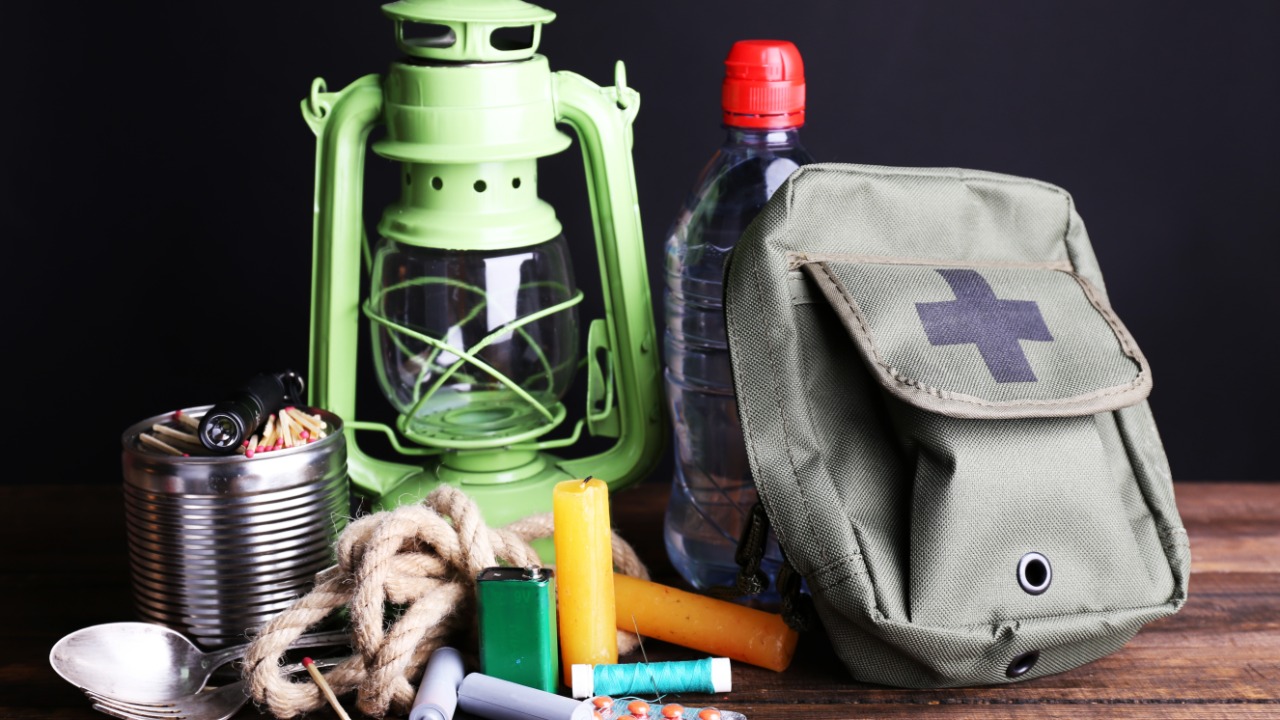
Severe storms, tornadoes, and natural disasters can strike with little warning, especially across rural communities. Every prepared household should maintain a well-stocked emergency shelter space that protects family members during dangerous weather.
A good shelter supports basic survival needs during extended emergencies. When you build a thoughtful stock of supplies ahead of time, you reduce stress and respond quickly when severe weather approaches. Consider this supplies list for your emergency shelter space.
Start With Shelter Structure and Layout
Before stocking supplies, you should understand the type of shelter your property uses. Some families install above-ground shelters inside garages or near the home, while others rely on underground storm shelters located outside. Each design offers benefits depending on the landscape, soil conditions, and household needs.
Homeowners often research the differences between above- and below-ground tornado shelters when planning their storm protection strategy. Above-ground models allow quick access and easier entry for older family members, while underground shelters offer excellent protection from extreme winds and debris.
Both options can provide reliable protection when builders follow proper safety standards. Once you choose your structure, you can organize the space with practical storage for emergency supplies.
Stock Reliable Water and Food Supplies
Every shelter should contain enough water and food to support your household for at least several days. Severe weather sometimes blocks roads, damages power lines, or delays emergency services. Stored food and water allow your family to remain safe and comfortable until conditions improve.
Choose foods that require little preparation and offer solid nutrition. Canned goods, protein bars, peanut butter, and shelf-stable meals work well inside a storm shelter. Store a manual can opener alongside the food so that you can access everything without electricity.
Include Essential Emergency Tools
A shelter should contain practical tools that support communication, safety, and comfort. These items help you stay informed and handle small problems that may arise during an emergency. Simple equipment can make a major difference during a stressful situation.
You should add the following items to your shelter supply kit:
- Battery-powered or hand-crank weather radio
- Flashlights with extra batteries
- First aid kit with medical supplies
- Multi-tool or sturdy pocket knife
- Blankets or thermal sleeping bags
- Phone chargers or portable power banks
These tools help you stay connected to weather alerts while providing basic comfort and safety. Many rural families also keep work gloves and dust masks available in case debris cleanup becomes necessary after the storm.
Store Important Documents and Personal Needs
Emergency shelter spaces should also protect the personal and financial records your household depends on. Keep copies of identification, insurance policies, and property records inside waterproof containers. These documents will help you recover faster if storms damage buildings or equipment.
Personal comfort items can also make shelter time easier for family members. Basic hygiene supplies, medications, and spare clothing support your health during emergencies. Families with young children may also include small games or books to keep everyone calm while waiting out severe weather.
Take time each year to review and refresh your shelter supplies. Replace outdated food, check batteries, and confirm that everything remains easy to reach. When the next storm system rolls across Tennessee farmland, your prepared shelter space will be ready to protect the people who matter most.