
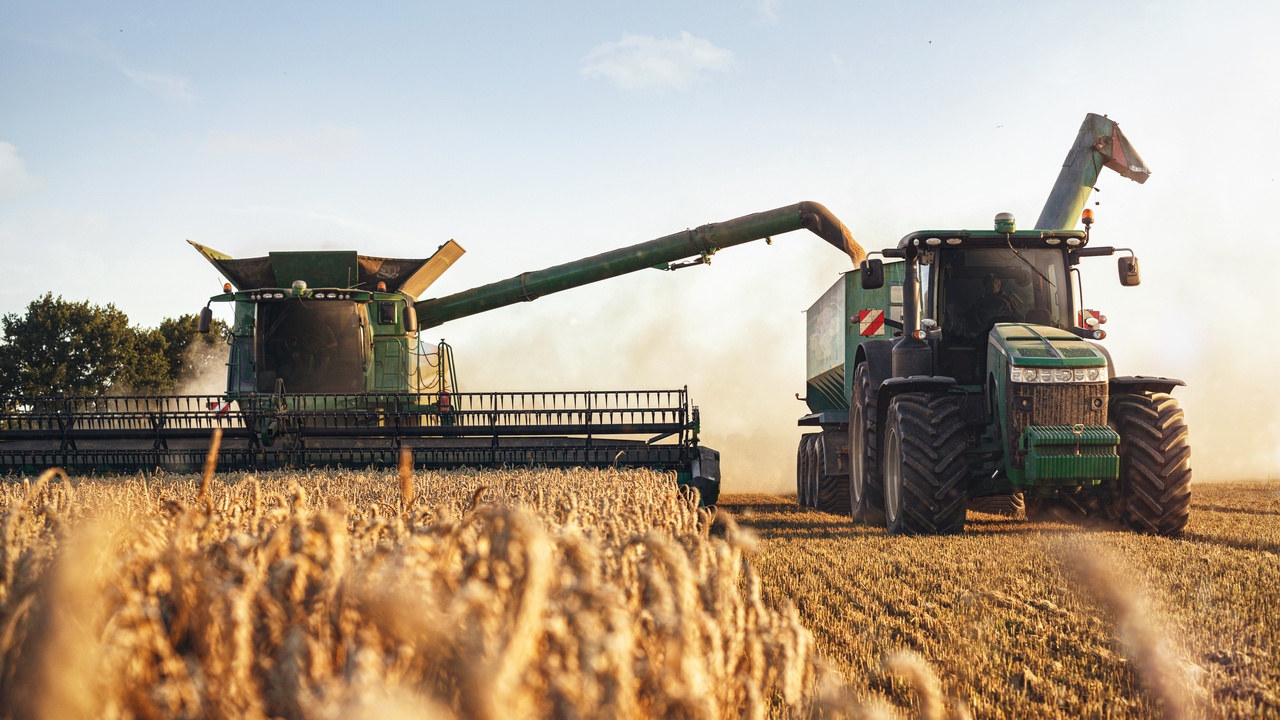
Farming operations depend heavily on efficient material handling systems. Whether you’re moving grain from storage to processing or transferring feed to livestock areas, conveyor and auger systems form the backbone of farming. However, even experienced farmers can fall into costly traps that reduce efficiency and increase downtime. Avoiding common pitfalls in conveyor and auger systems begins with understanding where issues typically occur and implementing preventive measures before problems arise.
Neglecting Regular Maintenance
Many farmers treat their conveyor and auger systems like workhorses that never need to rest. This leads to breakdowns because the equipment can’t handle the pressure. Downtime during peak seasons is the last thing farmers want.
Worn components can damage other parts when left unaddressed. Regular lubrication of bearings, inspection of drive chains, and checking belt tension should happen on predictable schedules rather than waiting for obvious signs of wear.
Improper Material Loading Techniques
Overloading systems beyond their rated capacity seems like an efficient shortcut, but it creates cascading problems throughout the entire season. Excessive material weight strains motors, stretches belts, and causes premature wear on all moving components. Understanding your system’s specifications and respecting those limits ensures consistent performance. Material should flow smoothly onto conveyor belts and into auger housings rather than being dumped in large quantities that create shock loads on the entire system.
Speed Control Misunderstandings
Choosing the right auger speed for different soils involves balancing the demands of farming with the characteristics of the material and the capabilities of the system. Running augers too fast can damage fragile materials, such as certain grains, while creating excessive wear on flights and housings. Conversely, speeds that are too slow reduce efficiency and can cause material bridging in certain applications.
Keep in mind that different materials require different handling approaches, and understanding these relationships helps optimize both system performance and product quality.
Ignoring Environmental Factors
Weather exposure accelerates component deterioration in ways that many farmers underestimate. Moisture infiltration into electrical components causes failures that could be prevented with proper housing and sealing. Similarly, temperature extremes affect belt flexibility, bearing lubrication, and motor performance in predictable ways.
Proper ventilation around motors and drive units prevents overheating. Conversely, excessive cold affects lubrication flow and can cause brittle failures in rubber components. Planning for seasonal variations in operating conditions can greatly extend equipment life.
Plan for Long-Term Success
Successful farmers view their material handling systems as long-term investments requiring ongoing attention rather than equipment that runs indefinitely without care. Keeping detailed maintenance records helps identify patterns and plan replacement schedules for wear components before they fail catastrophically and cause bad seasons. Avoiding common pitfalls in conveyor and auger systems requires understanding that consistent attention to detail prevents most major problems before they develop into expensive repairs.