

 Fishing is one of the all-time favorite hobbies all over the world. It is a favored outdoor activity by many people of all ages: children, adolescents, granny, all of them like fishing. Regarded oftentimes as a sluggish hobby, but the idea that many people engaged in fishing is beguiling.
Aside from being popular and accessible, it is also preferred because of the challenge and satisfaction therein, especially how many fish are obtained. Although fishing is a bit demanding hobby, you can actually get a lot of benefits not only recreation but most importantly is one’s well-being.
When you give a man a fish, you have fed him for a day. But when you teach a man how to fish, then he will be healthy for life! Read the 5 main health benefits of fishing below to learn why this all-time favorite hobby is also a great way to improve individual’s health.
Fishing keeps you physically fit.
As mentioned, fishing is a bit demanding plus a great way to enjoy the outdoors. Yes, fishing will give you fairly a heavy physical activity such as casting your rod, pulling the reel, lifting the fish, you might consider paddling, and other physical activities that you will keep you physically fit. Through these basic ways to catch a fish, it can surely burn calories, strengthen muscle tone and develop overall fitness.
Choosing a fishing spot is important to keep you physically fit. A long trek from your car can obviously boost your lower body, and setting up the equipment, casting off and winding in all would lead to physical exertion. Also, there are a lot of fishing spots that require paddling and hiking which have been proven to improve cardiovascular functions. You can improve your dexterity and reflexes since your fingers and forearms are generally exercised. To simply put, you can make your fishing excursion physically engaging as you want.
Fishing soothes your mind.

Whether you fish in the freshwater or saltwater, both can actually make your mind calm and improve one’s mental state. Being out in nature, constantly face-to-face with your computer, I bet your brain wants to relax and fishing can help you clear your mind. When you are bored or exhausted, don’t doubt to go fishing, it will help your mind refreshed. Fishing has numbers of health benefits for your mind. How could fishing help you to have a healthy mind?
Fishing does not require mental abilities. It mainly relies on your skills. This is the reason why fishing impacts the mind a lot. Spending long hours in nature is not exhausting, in fact, it can help your mind unwind, loosen up from pressure and decrease anxiety. In short, fishing improves one’s level of concentration, peacefulness, and brainpower.
Fishing bestows patience.
It’s true, fishing has a great deal of patience. If you constantly practice, your patience sharpens and that’s a rewarding fishing offers you. You may have to spend hours or up until you get desperate before a fish will grab the bait. In this kind of struggle, being impatient will aggravate the condition and you will eventually find it difficult and frustrating to get fish.
Impatience causes a person to develop stress, weakening of immune system and raising of blood pressure. Patience, meanwhile, can soothe you and make you more content, and fishing impacts on learning patience which greatly benefits health. Persistence in fishing makes you more a patient person, accepting of loss but unwilling to quit. Ergo, fishing puts your patience to practice in this world of over-stimulation and instant gratification.
Fishing teaches Self-Reliance.

It is important to learn how to perform on your own and fishing teaches children to keep trying when they don’t succeed. That is how to be healthy in young minds’ social disposition. Children who are fond of fishing, shaped their confidence as they build their skills. This helps to lead to a greater work ethic which is necessary to be successful in their studies and future career.
As children build their skills in fishing, they become more confident which leads to greater independence. Once children understand the safety measures in fishing, they can engage with little to no help from their parents or guardians. Fishing is all about personal goals, and attaining those goals is a sure way to improve self-esteem.
Fishing promotes fun and bonding.
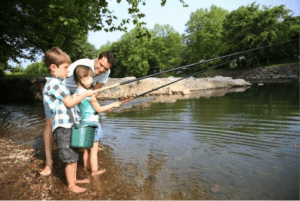
Fishing brings people together to have fun, bond and learn. Fishing as a hobby serves recreation and camaraderie between families, friends and even the community. Spending time with your family promotes feelings of security and well-being, the sense of belongingness and oneness.
Simply having fun, enjoying yourself is surely a huge health benefit. Your emotions towards your family, peers/colleagues, people in the community have greatly impacted your social being, thus feeling of happiness is vital and taking time out of life and spend it in fishing can wonderfully work in every area of your life.
Because of the memories, you shared together while preparing to get a fish, getting the fish will forever be remembered. These memories will pass through generations, your child’s children, perhaps your grandchildren’s grandchildren. Fishing is very great experience, isn’t it?
In A Nutshell

Fishing is an activity that upkeeps wellness. Being active like doing outdoors helps to make you feel better and increases a healthier lifestyle. There is no need to convince the millions of people and fishing enthusiasts, because fishing definitely promotes clear thinking, rebuild personal reserves like interacting with nature, enhance social interaction, provides the active learning opportunities and will advance your strength and mobility. Therefore, fishing is extremely good for your health. I hope these 5 health benefits of fishing are helpful to you.
About the Author
 Karen Dean is the author for FishingSun.com. She has been working and passionate with writing for over three years. She spends most of her off-work time reading books, practicing dance, and catching up with the new TV shows she’s been missing.
You can reach her at karen (at) fishingsun (dot) com
Facebook page: https://m.facebook.com/Fishing-Sun-605375712966582/
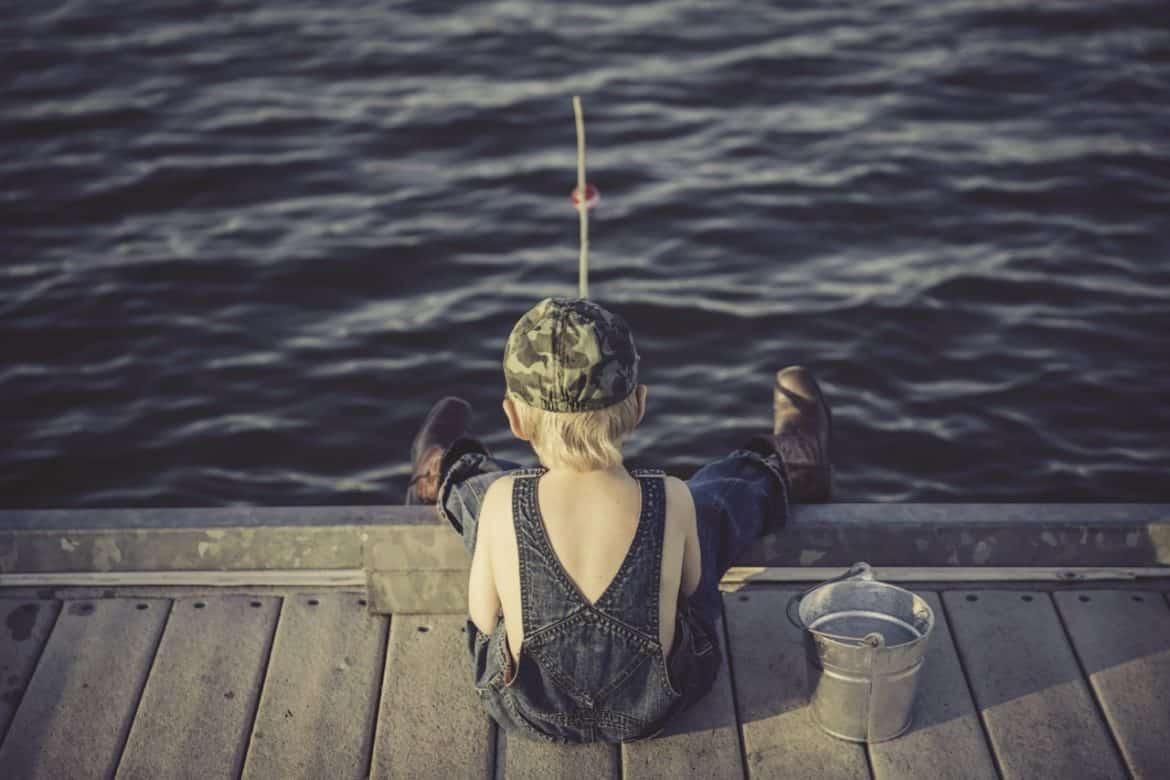

 Fishing is something that I don’t really like to do, but only because I am not good at it. Few things excite me more than having a fish on my line, but few things bore me more than waiting for that fish.




 First-aid supplies are commonly included in all emergency kits. A mini safety kit certainly adds an extra layer of insurance when you are out on the water. Make sure you are carrying a variety of tape, gauze, wipes, anti-bacterial creams, and Band-Aids.
 A Personal Locator Beacon is very handy to have on a boating trip. They are particularly helpful when your mobile network is spotty or non-existent. A PLB such as the
 Mylar Thermal Blankets are excellent for all emergency marine situations. They can be packed easily and provide much-needed warmth if you find yourself stranded in cold weather. Air temperature on the water is significantly cooler than land temperatures. So having one of these around while you are out fishing in the middle of the sea can prove to be a lifesaver. These blankets are often called ‘
 There are few inventions in the world that can are handier than
 Distress signal flares, or night distress signals, are a common choice for mariners to indicate an emergency situation. Bright lights used in these flares help to alert search personnel of an emergency situation. White, red and orange are acknowledged as the international colors of distress.
 You may already be aware that the U.S. Coast Guard has a recommendation in place for all boats to be fitted with oars and paddles.
 Similar to a freezer bag, it offers excellent closure once sealed shut. The bag material is comprised of polyurethane-coated fabrics that are extremely durable, flexible, and resistant towards abrasion. Consider packing all of your emergency and safety equipment in this bag.