
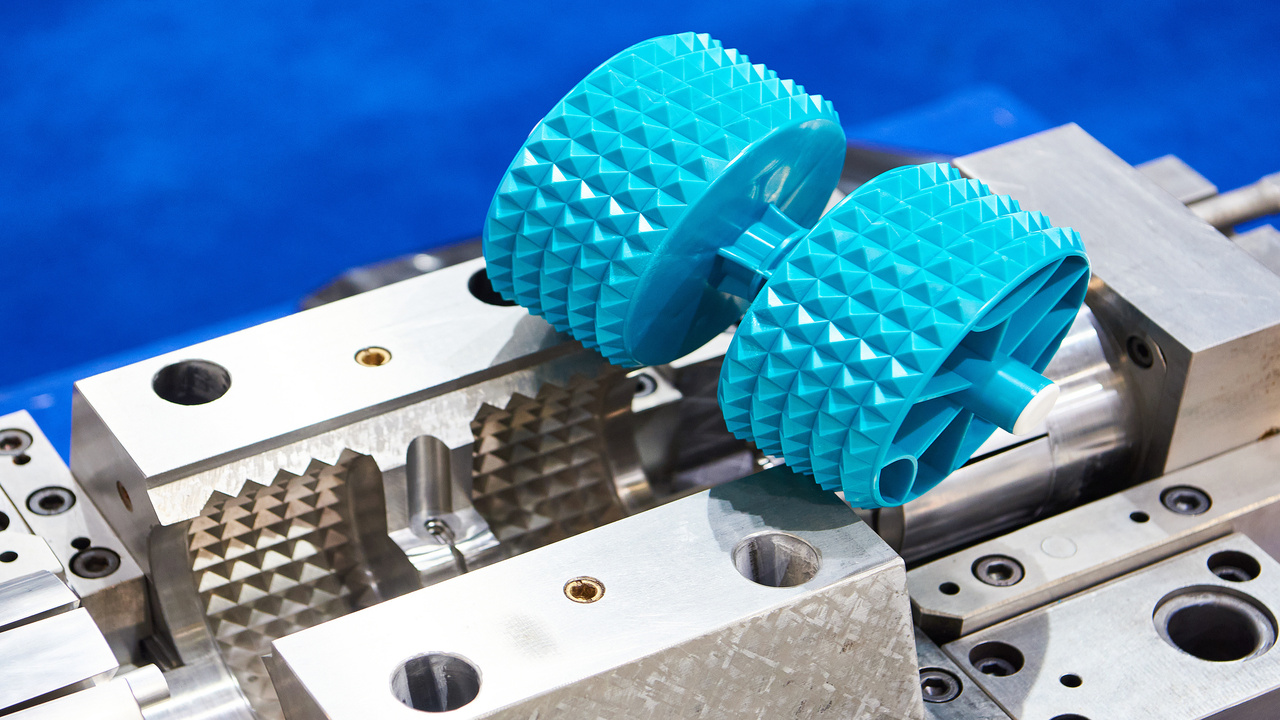
Creating complex parts doesn’t have to break the bank. With smarter strategies and the right approach to tooling, you can reduce costs without compromising quality. Many teams get stuck in the idea that complexity automatically leads to expensive tools and longer production timelines. That doesn’t have to be the case. By focusing on design, materials, and manufacturing options early on, you can find cost-effective tooling solutions for complex part designs.
Design for Manufacturability Saves Time and Money
Start by building your part design with manufacturability in mind. When you consider tooling constraints from the start, you eliminate features that drive up cost—like sharp internal corners, undercuts, and deep cavities. Simplifying a design without compromising its function can significantly reduce tooling costs. Work closely with your design team and toolmakers early in the process. The more feedback you gather at this stage, the fewer surprises you’ll face later.
Material Selection Impacts Tooling Costs
Every material brings its own challenges to tooling. Some resins require higher molding temperatures or more durable molds, which raises the tooling investment. Others allow for quicker production and fewer tool changes. By selecting the right material for your part’s function and performance needs, you avoid unnecessary costs. Keep in mind that material choice also affects cooling time, cycle speed, and long-term tool wear.
Rapid Tooling Offers a Faster Option
If you want to test a design or produce low-volume runs, rapid tooling gives you a cost-effective alternative to full-scale production tools. Techniques such as aluminum tooling or 3D-printed molds enable you to transition from CAD to part faster than with traditional steel tools. While they may not last as long, they give you the flexibility to test, revise, and move forward with confidence.
Smart Choices During the Molding Process
Choosing a part molding process matters more than most teams realize. Each method comes with its own set of tooling requirements and associated costs. If your part has tight tolerances or needs multi-material construction, your tooling plan should match that complexity. You don’t need the most expensive option—you need the one that fits the part’s size, function, and quantity goals. Work with partners who can help you compare processes and make smart trade-offs.
Partner With the Right Tooling Experts
Not all tooling shops offer the same level of experience with complex parts. Identify teams that know how to identify cost-saving opportunities without compromising quality. Look for strong communication, clear timelines, and the ability to adapt when your needs change. You’ll avoid delays and rework by working with people who’ve done it all before.
By focusing on the above cost-effective solutions, you can save money without compromising quality during complex part designs. Complex doesn’t have to mean expensive—just strategic.