
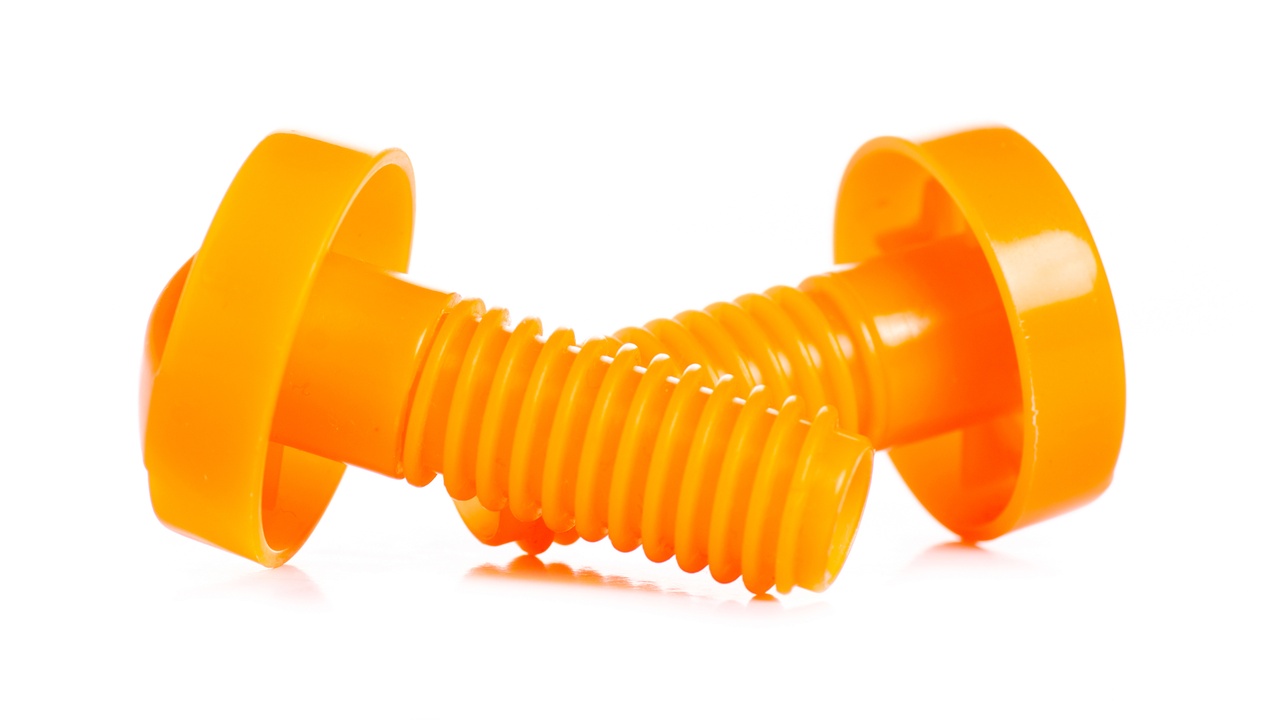
Fabricated plastic parts are essential across various industries, from automotive to healthcare, yet they remain surrounded by several myths that lead to misunderstandings and even hesitation in their use. If you’re in a business that could benefit from plastic fabrication or just curious, clearing up these misconceptions is key. Let’s break down some common myths about fabricated plastic parts.
1. Not All Plastics Are Created Equal
One of the biggest myths is the blanket assumption that all plastics are the same. The truth is that plastics come in a vast range of types, each with unique properties suited to specific applications. For example, polyethylene is incredibly lightweight and resistant to water, while polycarbonate offers excellent impact resistance and transparency.
Then there’s nylon, which is strong and durable. Each plastic type is engineered with its unique combination of features, demonstrating that “plastic” isn’t just one thing, but a broad category with diverse potential for various uses.
2. Plastic Parts Aren’t Always Cheap
Many think plastic automatically equals “cheap,” but that oversimplifies the reality. While some basic plastics may be inexpensive, factors like material type, fabrication process, and the component’s complexity all affect the final cost. High-performance plastics, such as PEEK (polyether ether ketone), come with a higher price tag thanks to their durability and temperature resistance.
However, they also outperform cheaper materials in certain applications, making them a worthwhile investment. With customized designs and the right engineering, fabricated plastic parts often give businesses cost-efficient solutions without sacrificing quality.
3. Plastic Can Handle Structural Applications
Another common myth is that plastics lack the strength for demanding structural roles. While this might apply to flimsy disposable plastics, engineering-grade plastics are another story. Materials like polycarbonate and acetal (POM) receive praise for their incredible strength and load-bearing capabilities. They’re suitable for applications such as machinery components, gears, and automotive parts.
High-strength plastics aren’t just durable but also lightweight, offering benefits beyond traditional materials like metal. That’s a win-win for both performance and efficiency.
4. Chemical Resistance Isn’t an Issue
Some people imagine that fabricated plastic parts dissolve or degrade at the slightest hint of a chemical substance. This misconception comes from a lack of understanding. Several types of plastics, such as PTFE (Teflon) and PVDF, can withstand harsh chemical environments.
Whether it’s exposure to industrial chemicals or cleaning agents, there are plenty of options for highly resistant materials. Plastic’s ability to thrive in chemically demanding settings is one of its greatest strengths.
5. Plastic Fabrication and Sustainability Can Coexist
Perhaps one of the most pervasive myths is the idea that plastic fabrication is inherently harmful to the environment. While concerns about plastic waste are valid, advancements in recycling and material innovation are paving the way for sustainable solutions.
Recycled plastics, biodegradable materials, and energy-efficient fabrication methods are all helping to change that narrative. Businesses that adopt these practices benefit from the advantages of plastic fabrication while minimizing their carbon footprint.
Rethink What You Know About Plastics
The next time you encounter misconceptions about fabricated plastic parts, remember that many of these beliefs come from outdated or incomplete information. Plastics are far more versatile, durable, and sustainable than they’re often given credit for. With a wide range of options to suit various applications, they offer unmatched flexibility in design and production. Discover how plastics can enhance your projects and engineering outcomes by exploring the science and innovation behind them.