
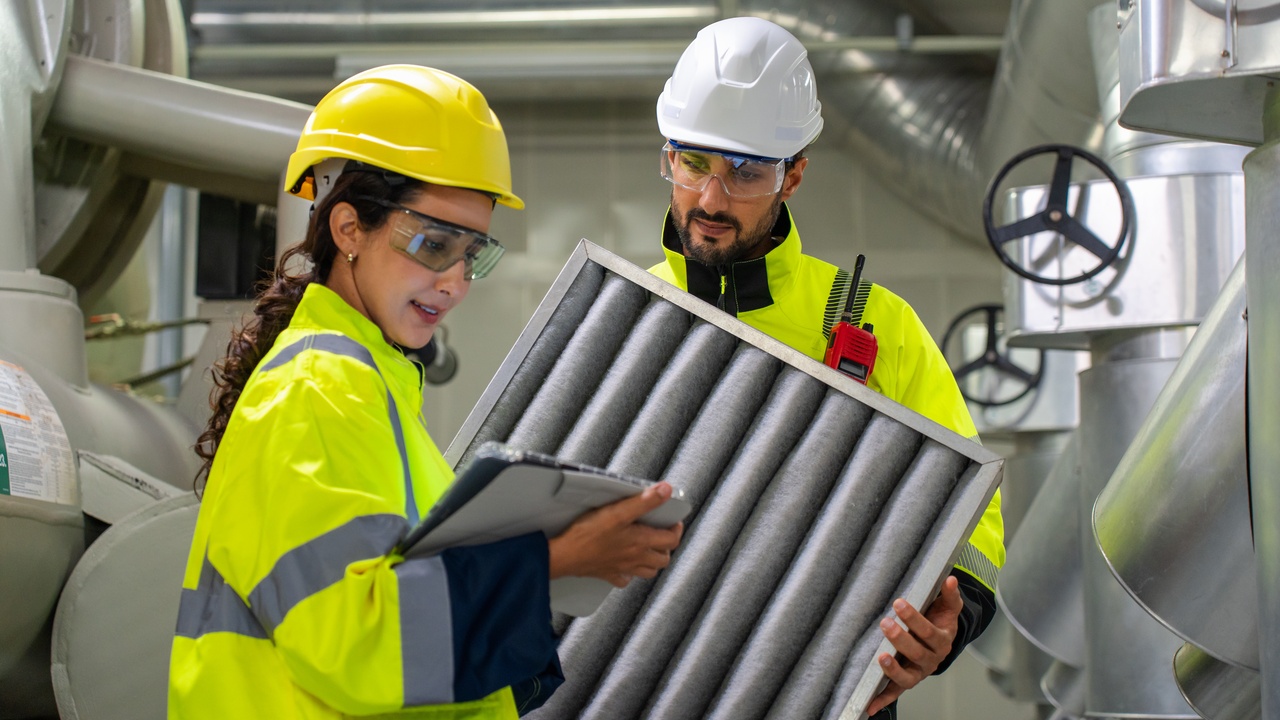
Air quality control is a persistent challenge for industrial leaders. Tighter regulations and growing community awareness place pressure on plant managers to minimize emissions without compromising production goals. Finding practical strategies for reducing air pollutants in manufacturing facilities is essential for long-term operational success. The process requires a blend of technology, procedural changes, and consistent monitoring to keep the air clean and workers safe.
Upgrade to Low-Emission Equipment
Older machinery often burns fuel inefficiently, leading to higher levels of nitrogen oxides and particulate matter. Retrofitting existing equipment or investing in newer, cleaner models can greatly reduce emissions.
The design of many modern industrial boilers and furnaces comes with advanced combustion controls that minimize waste. While the initial capital investment might seem steep, the reduction in fuel consumption and compliance penalties offsets these costs over time.
Implement Robust Air Filtration Systems
Capturing pollutants at the source prevents them from escaping into the wider environment. Installing high-efficiency particulate air (HEPA) filters or electrostatic precipitators helps trap dust and smoke.
For facilities that handle volatile organic compounds (VOCs) or odors, filtration media becomes even more critical. Understanding why carbon media matters in air scrubbers allows you to select the right filtration technology for specific chemical byproducts. Activated carbon effectively adsorbs gaseous pollutants that standard particulate filters might miss.
Switch to Greener Raw Materials
Sometimes the most effective way to cut pollution involves changing what goes into the production line. Reviewing your supply chain for less toxic alternatives can eliminate harmful byproducts before they are even created.
For instance, switching from solvent-based coatings to water-based options drastically lowers VOC emissions. This shift protects the environment and improves the immediate air quality for employees working on the floor.
Optimize Energy Efficiency
High energy consumption indirectly contributes to air pollution, especially if your power comes from fossil fuels. Conducting an energy audit can reveal wasted heat or electricity to reclaim.
Installing variable-frequency drives (VFDs) on fans and pumps helps motors run at lower speeds when full power isn’t required. Reducing your facility’s overall energy demand lowers the localized pollution associated with power generation and onsite fuel combustion.
Enhance Leak Detection and Repair
Fugitive emissions or unintentional leaks from valves, pumps, and flanges add up quickly. Establishing a routine leak detection and repair (LDAR) program helps identify these invisible sources of pollution.
Using infrared cameras or organic vapor analyzers, maintenance teams can pinpoint leaks that would otherwise go unnoticed. Fixing these small breaches immediately prevents vast volumes of pollutants from entering the atmosphere.
Every small improvement can lead to cleaner air and a healthier workplace over time. Industry leaders know that progress requires steady intention and the willingness to adapt. The question of how manufacturing facilities can reduce air pollutants deserves ongoing attention as technology and standards evolve. Taking action today builds a foundation for safer operations tomorrow.