
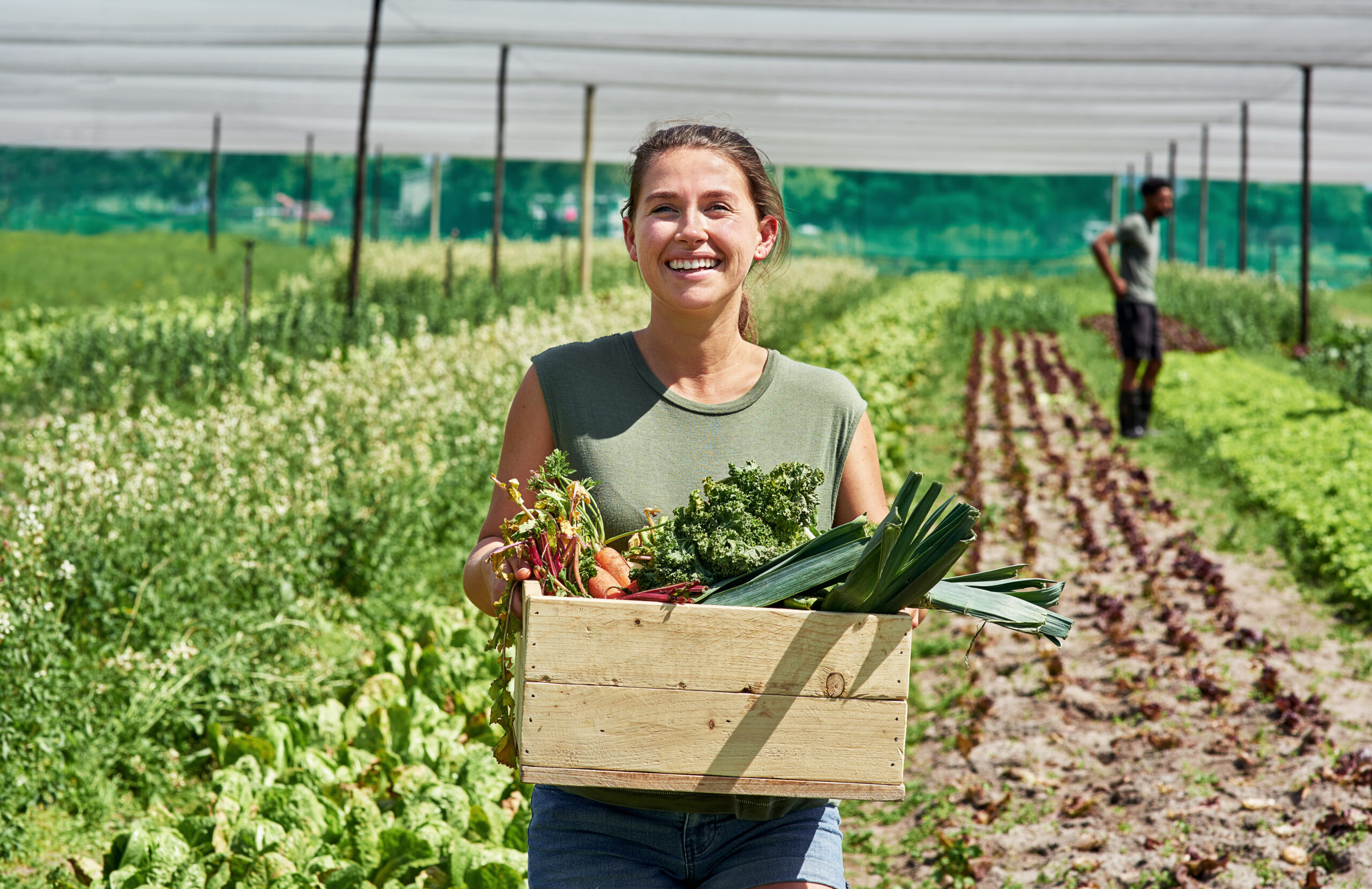
Modern farming often feels like a balancing act. On one hand, you need to maximize your yield and operate efficiently to stay profitable. On the other hand, there’s a growing need to protect our natural resources for future generations. So, how can you find the sweet spot without sacrificing profitability? This guide will explore practical and straightforward ways to balance efficiency and sustainability on your farm.
Soil Health Practices
Healthy soil is the foundation of a productive and sustainable farm. Practices like cover cropping and no-till farming help protect this vital resource. Cover crops prevent soil erosion, improve water retention, and add organic matter.
No-till methods reduce soil disturbance, thereby preserving the soil’s structure and the beneficial organisms that inhabit it. This approach also helps sequester carbon, which is a great benefit for the environment.
Water Management
Water is a precious resource, and managing it wisely is a core part of sustainable farming. Drip irrigation systems deliver water directly to the base of each plant, which drastically cuts down on evaporation and runoff compared to traditional sprinkler systems.
Capturing and storing rainwater for later use also provides a buffer during dry spells. These strategies help you maximize the yield of every drop without compromising crop quality.
Precision Agriculture
Technology offers a powerful way to work smarter, not just harder. Precision agriculture utilizes tools such as GPS, sensors, and drones to collect detailed data about your fields. With this information, you can apply water, fertilizer, and pesticides exactly where they’re needed, which reduces waste and lowers your environmental impact.
This includes understanding how drone spraying can reduce pesticide use and ensure targeted application. It’s a direct path to boosting both productivity and stewardship.
Integrated Pest Management
Moving away from a complete reliance on chemical pesticides can benefit your farm’s ecosystem and bottom line. Integrated Pest Management (IPM) is a thoughtful approach that uses a combination of methods to control pests.
This can include introducing beneficial insects, using crop rotation, and applying pesticides only when necessary. Choosing pest-resistant crop varieties can also reduce the need for future interventions.
A Balanced Future
Achieving a perfect equilibrium between output and conservation is an ongoing process. It requires a commitment to learning and adapting as new technologies and methods become available.
By integrating these strategies, you can build a more resilient and profitable operation. You’ll not only improve your farm’s performance today but also secure its legacy for the future by learning how to balance efficiency and sustainability on your farm.