Tag: building

  • Building the Low Impact Roundhouse

    Building the Low Impact Roundhouse


    Building a Low Impact Roundhouse
    Buy at Amazon

    I really want to build a reciprocal roof pavilion at the land.  I think that it will give me lots of usable space, shade, and a great place to give classes and hang out.

    My problem is that information on building a roof like this is hard to find on the internet.

    I get that some experts say this is a bad roof for beginners to make because of all the angles, but I also see why it is a good roof for a lay person to build.
    Either way, the most information online comes from the author of this book, so I bought it hoping to get a good offline way to share the particulars of what I am trying to do.

    Building the Low Impact Roundhouse is a pretty cool book, it is not a how too guide, but rather a story of how they build their home.  You can get how to information from it, and it is enough for a thinker to use as a blueprint.

    I didn’t find the story about zoning officials useful, mostly because British law is much different than the American system, but also because I just didn’t care.  The lifestyle potion of the book also did not light my fire, but I loved the pictures and the house.

    I want to build just the frame and the roof and leave it open – except maybe close in every other segment of posts using a variety of alternative building methods, say in a 10 segment frame, make one filled with cob, another with earthbag, cordwood, bottles in mud, all are options to try out small walls without getting tied into building an entire roundhouse using an unfamiliar method.
  • Practical Pole Building Construction

    Practical Pole Building Construction

    Book Review: Practical Pole Building Construction
    Buy at Amazon

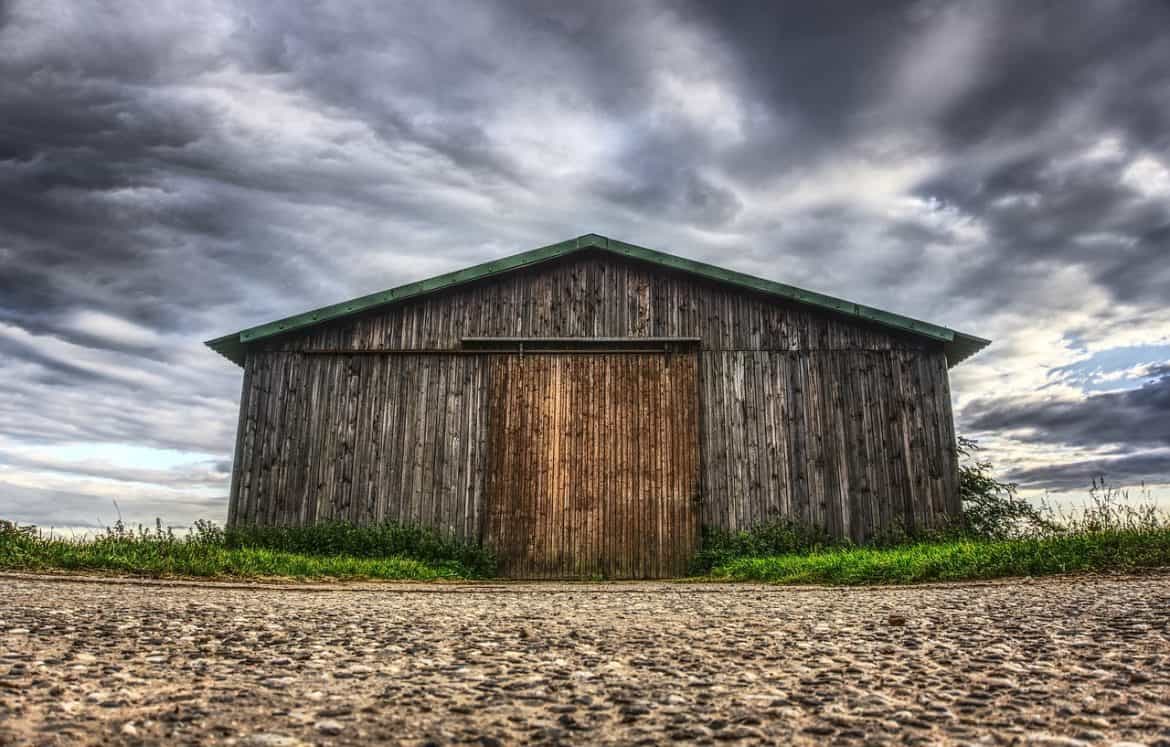
    In Practical Pole Building Construction the author has given the extra dimension of original plans for a lean-to barn, horse barn, hillside house, garage/wood shed, mountain pole cabin, and a coastal house.

    Pole building construction saves money, time, labor, and materials because it involves limited grading, no excavation, flexibility on site, and few materials.

    I originally bought this book because I needed a cheap barn and most people around my area build pole barns, but upon reading it I saw how flexible the building method is.

    Combined with reciprocal roofs, pole building has the potential for very inexpensive buildings around my land.

  • Working Alone

    Working Alone

    Working Alone
    Buy at Amazon

    Working Alone discusses all aspects of laying foundations, raising walls, and more for small or one-person crews.

    Being frugal and doing things yourself are admirable qualities, however, those qualities mean that you will run into problems.

    If you have a crew of workers then many problems won’t be a problem, but when you are working alone you have to use your brain to come up with solutions.

    If you have ever tried to put sheetrock or plywood on a ceiling you know what I am talking about.  How do you hold the sheet in place above your head and nail it at the same time.

    A man working alone only have 2 hands.

    This book will give you some tips and techniques that make those hands seems multiplied.

  • Earthbag Building

    Earthbag Building

    Book Review: Earthbag Building
    Buy at Amazon

    Over 70 percent of Americans cannot afford to own a code-enforced, contractor-built home. This has led to widespread interest in using natural materials—straw, cob, and earth—for building homes and other buildings that are inexpensive, and that rely largely on labor rather than expensive and often environmentally-damaging outsourced materials.

    Earthbag Building is the first comprehensive guide to all the tools, tricks, and techniques for building with bags filled with earth—or earthbags. Having been introduced to sandbag construction by the renowned Nader Khalili in 1993, the authors developed this “Flexible Form Rammed Earth Technique” over the last decade. A reliable method for constructing homes, outbuildings, garden walls and much more, this enduring, tree-free architecture can also be used to create arched and domed structures of great beauty—in any region, and at home, in developing countries, or in emergency relief work.

    This profusely illustrated guide first discusses the many merits of earthbag construction, and then leads the reader through the key elements of an earthbag building:

    • Special design considerations
    • Foundations, walls and floors
    • Electrical, plumbing and shelving
    • Lintels, windows and door installations
    • Roofs, arches and domes
    • Exterior and interior plasters.

    With dedicated sections on costs, making your own specialized tools, and building code considerations, as well as a complete resources guide, Earthbag Building is the long-awaited, definitive guide to this uniquely pleasing construction style.

    Kaki Hunter and Donald Kiffmeyer have been involved in the construction industry for the last 20 years, specializing in affordable, low-tech, low-impact building methods that are as natural as possible. They developed the “Flexible Form Rammed Earth Technique” of building affordably with earthbags and have taught the subject and contributed their expertise to several books and journals on natural building.

  • PRN Episode #32 Interview Andrew Morrison

    PRN Episode #32 Interview Andrew Morrison

    We have been doing a lot of podcasts dealing with alternative construction, and today we continue this trend by hosting one of the leaders in the strawbale building community.  The Shepherd School is proud to get to talk to Andrew Morrison of strawbale.com.

    Andrew Morrison has been a strawbale builder for more than a decade and has hands on experience building hundreds of homes using strawbales as the main building material.

    Strawbale is cheap, provides awesome insulation, has great sound-deadening properties, and amazing fire and insect resistant properties – I know that sounds counter-intuitive – but listen to the show and here Andrew Morrison explain why.

    You can learn more by visiting his blog and store at the links below:

    Strawbale Blog
    Strawbale Products

    We have also embedded a video below from Andrew Morrison talking about his workshops – it is a very good way to get manpower to build as well as help learning about the process.

    I have long been interested in strawbale construction, I am very excited to talk to Andrew.

    The show is scheduled for Monday at 10pm central time at this link.

    If you cannot listen on Monday, you can always download the podcast for listening at your own leisure.