
Tag: child

  • Top 10 Survival Skills Your Child Should Know Right Now

    Top 10 Survival Skills Your Child Should Know Right Now

    Top 10 Survival Skills Your Child Should Know Right Now
    Buy at Amazon

    Every individual needs to be able to take care of his or herself, including children. They may not be adults yet, and they may have fewer responsibilities than most of us, but they do need to learn how to survive in this cruel world, especially when outdoors. Hence, in this post, we’ll be rounding up the top survival skills your child should know.

    It is every parent’s responsibility to teach their kids various skills they can use throughout their lives. In this modern world of ready-to-eat food and high-tech gadgets made for utmost convenience, the art of survival skills fade as majority of us rarely use them.

    However, the greatest thing about survival skills is that no one can predict when and where to use them.

    Apparently, it’s better to know how to execute a certain necessary skill, such as starting a fire with wet wood, in case of an emergency than to be stuck without any knowledge.

    So without further ado, here’s a list of the top survival skills every kid should learn.

    Top 10 Survival Skills Your Child Should Know Right Now

    1. Finding Safe Drinking Water
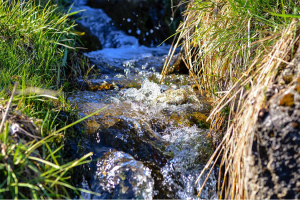
    Finding safe drinking water is a crucial skill since the human body can live without food for several days, but not without water. It is, therefore, necessary for every kid to know how to locate water sources and how to purify them.

    First off, if the potable water you consume in your home is sourced from a deep well or faucet, you might want to teach your kids how to continue drawing water from them if electricity’s out.

    When outdoors, make sure your child brings a bottle of water at all times. Otherwise, the safest water sources outdoors are springs, streams, ice, and snow. Lakes, ponds, and creeks are unsafe, no matter how clear they can be. Next, show them the proper way of testing spring water and other water sources to make them safe for drinking.

    Water can be boiled, filtered, or treated with chemicals such as iodine to rid it of bacteria and viruses.

    2.  Basic First Aid

    Every child and adult should learn basic first aid. First aid is beneficial during emergency situations. It could be a life saver, especially if your child is alone and injured.

    Your kid needs to be shown where the first aid supplies can be found, emergency numbers to call, as well as some basic skills such as treating minor wounds, burns, and tying a sling.

    This animated video below will teach your kids how to do basic first aid in case of accidents.


    3. Building Fire
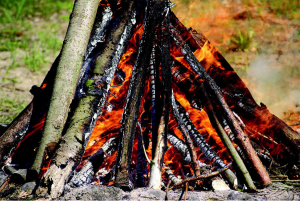
    Building fire is an essential outdoor skill.

    Teach kids how to gather wood, light matches, keep the fire under control, cook with it, and most importantly, kill it when not in use to prevent forest fires.

    You might want to go as far as teaching children how to start a fire with wet wood as an advanced survival skill.


    4. How to forage

    Differentiating poisonous plants and shrubs from non-poisonous ones is a great skill to possess. You can teach your kids this lesson by simply taking them on nature walks and pointing out which are edible or poisonous as you go along.

    Since it may be hard for kids to keep track of so much information, encourage them to keep a journal with pictures and names of each plant for future reference.

    Start with non-poisonous and edible plants first then move on to those with dangerous look-alikes such as nettle, berries, watercress, dandelions, and cattails.

    5. How to find or build shelter in the wilderness

    Kids should acknowledge the importance of a shelter in a survival situation and how to find one when needed.

    You can teach them how to find the right spot to position a tent, areas to avoid, and creating makeshift shelters if you don’t have a tent with you.

    This skill is one of the most fun things to learn, especially building makeshift shelters. You can teach them how to use fallen trees, dry leaves, and other outdoor objects to stimulate their resourcefulness.

    6. Self-defense

    Children can protect themselves through acquiring self-defense skills. Enrolling them in a self-defense class can benefit him or her in many ways.

    They can learn self-discipline, feel more confident, and be able to defend themselves against attackers and potentially dangerous situations.

    For the meantime, you can refer to the video below for basic self-defense techniques for kids.


    7. Handling a knife

    The mere thought of sharp objects scares children away. Knives have become a taboo subject among the youngsters because of its possible dangers, but these tools are also present in our daily lives; that’s why children need to know how to use it safely.

    The more aware and knowledgeable they become about knives, the less likely they are to experiment with it. Children should be taught how to hold a knife, walk with a knife, cutting objects with knives, and storing them properly.

    8. How to swim

    Sadly, drowning is one of the most common forms of accidents faced by children outdoors. Children do love the water, and it’s inevitable to keep them away from it. Hence, the only way to make sure they’re safe while enjoying the waters is to teach them how to swim and float.

    Don’t know how to swim yourself? Let little Emma help you!


    9. How to fish

    Fishing is fun. It’s a good form of bonding for parents and kids. It’s easy to learn, and it’s not complicated at all – it doesn’t involve lots of expensive equipment.

    Furthermore, kids can appreciate the outdoors more if they know how to fish because of the free food. Teach your children how to fish in 10 simple steps from this article.

    10. Reading a map, compass, and GPS
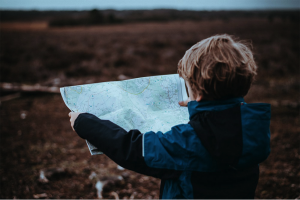
    Maps, compasses, and GPS devices let children know where they are and help them find their way in case they get lost.

    GPS systems can let you know your location instantly, but if you run out of battery, compass and maps are your only options for navigation.

    Not only will reading these tools provide children with information on their whereabouts, but they also help in enriching kids’ spatial thinking by making them visualize objects in relation with one another.


    Final Thoughts

    Children should be taught survival skills early on so they can be prepared anytime, especially during a zombie apocalypse. Kidding! So, there you have it — the top 10 survival skills that are extremely helpful for children and for adults too. Know that those 10 bullets are just the tip of the iceberg as there are about a hundred or so skills you can learn from the outdoors.

    Hey, camper! Did you find this post useful? Have you learned a lot? Do you know other survival tips or tricks? Let us know in the comments section below. Don’t forget to share this post. Cheers!
     

  • 10 Reasons Children Should Learn Archery

    10 Reasons Children Should Learn Archery

    10 Reasons Children Should Learn Archery
    Buy at Amazon

    Many studies have shown that students who are involved in extracurricular activities are far less likely to develop dangerous habits like smoking and drug abuse. Despite the heavy evidence supporting these facts, only 2.6 million of students from the ages 12-17 are actively enrolled in such activities.
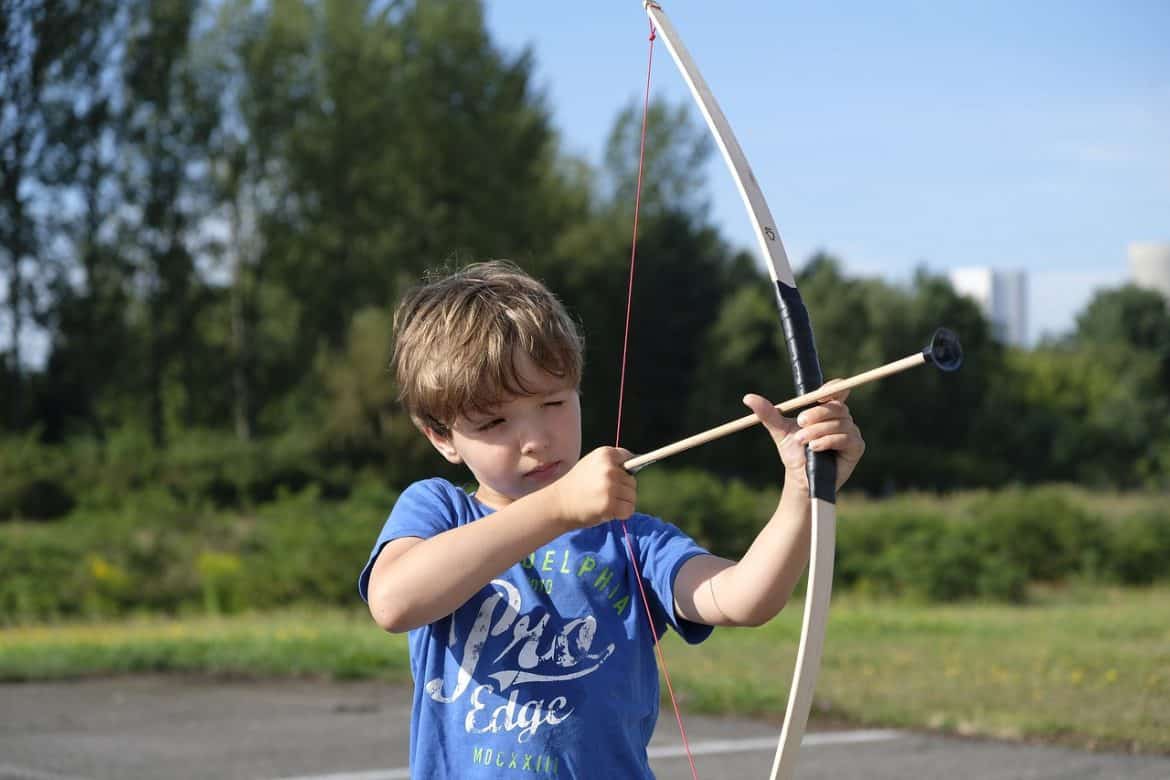
    If you are looking for a good after-school activity for your kids to get involved in, then archery is a fantastic option to consider. This article will briefly outline 10 Reasons Children Should Learn Archery.

    It Is a Year-Round Sport

    Archery is a great sport to get your children involved in as it is a year-round sport. In the warmer seasons, there are outdoor ranges that can be used, and in the colder months, indoor ranges are available. This means that your child will not have off-season times where idleness can result in getting involved in bad habits or negative groups of peers.

    It Is a Very Safe Sport

    You might think that letting your child learn how to use a deadly weapon could be dangerous, but the truth is that archery is one of the safest sports for children to learn. There is minimal contact with other people, meaning the risk of broken bones or sprained muscles is greatly reduced. The staff there to teach your children will all be very skilled and will train your child and all the other present participants to be safe while handling the bows and arrows.

    Teaches Impressive Skills

    There are a lot of great skills that are learned through archery. As your child learns to work with the best youth compound bow, they will also be learning other important things, some of which are as follows:

    • Aim: Your child will learn to aim well. This can be helpful in other sports and activities as well.
    • Patience: Archery teaches kids to wait patiently for the right time to shoot. Patience is something that can greatly benefit every facet of their life.
    • Strength: It takes a lot of strength to wield a youth compound bows. They are heavy and taut, and your child will develop strong muscles as they learn to work this machinery.
    • Control: Every part of the mind and body has to be in tune for someone to be successful with a bow and arrow. Learning to have such control can do wonders in and out of the archery range.

    Increases Good Behavior in Children

    Kids who learn all of the skills needed to be a good archer will be learning the skills needed to have good behavior wherever they are. All of the positive lessons they learn to better their archery game will follow them into the classroom and the home. This improved behavior will be a huge asset to them in all their present and future endeavors.

    There Are Many Scholarship Opportunities

    Archery is still as yet an under-utilized sport in the lower ages. This means that there are a lot of incredible scholarship opportunities available to a much smaller pool of participants than in other sports. Your child could gain some important funding for their future educational aspirations by learning archery. The cost of the lessons now often turns out to be a very wise investment in the future.

    It Is Physically Challenging

    With the rise of childhood obesity in the country, it is important to find fun ways to keep your children active. Archery is a very physically challenging sport that will help your child gain muscles and shed excess weight. It might not involve the traditional running and jumping found in other sports, but the skills needed to be a good archer require a strong and lean body. Your child will get excellent exercise as they learn to aim and shoot their bow and arrow.

    Increases Confidence

    10 Reasons Children Should Learn Archery
    Buy at Amazon

    Children who learn the skill of archery will also learn to have confidence in themselves. A lot of depression and anxiety among teens has been found to be caused by a lack of confidence and self-esteem.

    By getting your child involved in archery, you will be giving them something that they can truly be proud of.

    They will have confidence in their ability to do hard things, and this will help them avoid some of the major pitfalls common to other kids their age.

    Enhances Focus and Balance in Children

    Focus and balance are two things that many adolescents are lacking. With all of the changes happening in the mind and body at these awkward ages, it makes sense that it would be hard for kids at this stage to have a lot of focus and balance. Fortunately, these are two things that are taught in abundance in archery courses.

    Your child will learn how to have self-discipline as they control their changing mind and body. Their regular practice on the range will help them to navigate these changing waters of puberty with ease and grace.

    Teaching Cultural Lessons

    Archery is a very important aspect in many cultures. As your children learn this unique skill, they will also be taught about where the skills came from, and how it impacted those cultures. This information will instill in them a deeper respect for other lands and people.

    Offers Them the Feeling of Achievement

    One of the most important things you can teach your child is the feeling of setting goals and achieving them. This is a vital aspect of successful archery. Through this sport, your child will learn how to set goals and then work hard to achieve them. As they learn to enjoy this feeling of success, they will be gaining the necessary skills to set and achieve goals in other facets of their life as well. Learning to work hard for worthy goals is the main key for success in every area of life. Teaching your child this skill early on will have only good effects for them and you.

    If you feel like your child could benefit from any of these attributes, then it is time to look into archery lessons in your area. This is a fun and challenging way for children to be physically fit and involved in positive activities.

    Robert Gate was enthusiastic about hunting from the first shot. From then he decided to become a pro hunter. If you find something helpful in his blog, he would be proud to hear from you.

  • 52 Prepper’s Projects for Parents and Kids

    52 Prepper’s Projects for Parents and Kids

    Book Review: 52 Prepper's Projects for Parents and Kids
    Buy at Amazon

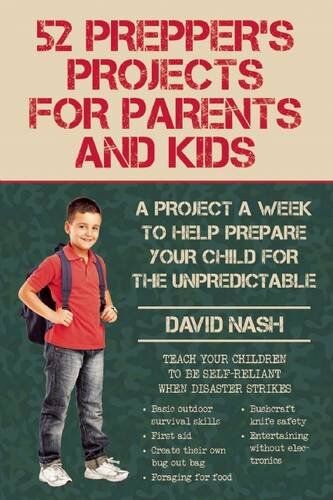
    Prepare your child for the unpredictable through 52 prepper projects. Teach them basic outdoors survival skills, first aid, how to create their own “bug-out bag,” and more.
    This was a fun book to write, I love trying out DIY Projects, and this time I got to try them out thinking about which ones would be fun and still teach something to my boy.

    Some of these projects are age  appropriate to little kids, but many are best suited for middle school or older children.

    Each project in 52 Prepper’s Projects for Parents and Kids has the reasoning for each project along with a discussion starter at the end of each project.

    Its not just about doing something with your children, or even having them do something.  The main idea of this book is to teach your kids how to be self reliant and think for themselves.

    Unfortunately critical thinking skills and personal responsibility are things that are lacking in out society.  This book is meant to help reduce that issue while still being fun and useful.

    If you have projects you have done with your kids, even if they aren’t in the book, I would love to hear about them.

  • 3 Ways to Prepare Children for Disasters

    3 Ways to Prepare Children for Disasters

    3 Ways to Prepare Children for Disasters
    Buy at Amazon

    Though some people do not want to think about it, disasters may occur no matter what. It is vital for parents to ensure that each member of the family is ready for a disaster. What should a parent do to prepare a child for unfortunate situations? The information below 3 Ways to Prepare Children for Disasters may help.

    Encourage Memorization

    In order to prepare a child for a disaster, it is necessary for a parent to teach a child personal information. If the child separates from the family during a disaster, he or she should carry the knowledge of the location of his or her home. The child should also know his or her name. It may not be easy to teach this information; however, that does not make the information less valuable or critical. The parent may wish to quiz the child on a frequent basis.

    Understand the Signs

    It is vital for a child to understand the signs of a disaster. It may not be possible for a parent to reach the child; therefore, the child should be aware of the signs of a dangerous situation. When the child understands, it is easier for the child to get away from fires, floods, and other disasters. The child should carry a cell phone; if a phone call is necessary, a loved one may be reached. If the home is unsafe, it is indispensable for the child to have a designated second shelter. A neighbor’s house or a church may suffice.

    Teach Camping Techniques

    It is not enough for a child to learn the signs of a disastrous situation; if a parent wishes to prepare a child for an emergency, camping techniques are crucial. A child should understand the steps necessary for assembling a tent. This does not have to be a dull lesson; the parent may wish to wait for a camping trip in order to add an element of adventure. If the family cannot go on a camping trip, the parent may wish to enlist a child in a summer camp program. Summer camp allows a child to learn critical survival techniques and interact with people of different backgrounds.

    People do not like to think about disasters. Disasters lead to dangerous and deadly situations; this makes it an unattractive subject. However, a family should understand the steps that are necessary for these situations. If the family has children, the children should be aware of what to do in order to survive. The parent may wish to help the child memorize the physical address of the family. It is also beneficial for the child to know how to tackle basic camping strategies. When a child is aware of what to do, a disaster is less likely to push a family apart.

  • Preparing for Disaster with Your Child

    Preparing for Disaster with Your Child

    DIY: Bottle Cap Candle
    Buy at Amazon

    Today I have a guest Post from Nancy Parker on Preparing for Disaster with Your Child

    There are many different kinds of disaster sand they are always out of the human’s control. As an adult you know how to prepare and what to do during a disaster, but what about the children? Some adults neglect to teach their child what to do base on the fact it could ‘never happen’ to them. Before it’s too late, here are ways to help you prepare your child for a disaster:

    It is always good to keep your child informed of possible and potential disasters. Now this doesn’t mean that you educate them to the point where they live in fear but that they understand the potential disaster. When teaching them about disasters, keep the conversation upbeat and positive by stating that there is a solution to the disaster. Keep the conversations short, allow for questions and answer honestly.

    Always be prepared, that is the best advice for a disaster. Get the supplies that you need to help yourself during a disaster. For example if it’s preparing for bad weather gather the tools you need like candles, emergency radios, food and water. Teach your child what is needed in certain disasters so that they know what is available for them, if ever needed.

    Plan:

    You should always have an emergency plan for you and your child for any dangerous situation. Teach them the first they should do for different disasters. Write out a simple and easy least that they can read. Typically that emergency plan should start with listen to an adult’s advice and/or call 911.

    Practice:

    Once you have purchased the correct safety tools and figured out the right plan, practice. Practicing with your child what to do during a disaster will help them if the time comes. Explain during the practice the procedures that they need to take and why. Practice this emergency plan every few months.

    Reaction:

    The most important advice that regency officials can give people during a disaster is to remain calm. Teach your child to remain calm during emergencies. You can do this by leading by example, if you remain calm you child is more likely to remain calm. Disasters have the potential to be worse if there is fear and panic to cause confusion and difficulty.

    Disasters can’t be avoided but they can be lessened the more you are prepared and ready for one. Teaching your child this will help you and them in any future events. Remember above anything else, remain calm and work with them on the emergency plan.