I am a follower of Lisa Bedford’s blog, and was very excited to hear she had come out with a book.
This excitement was well founded because Survival Mom is a great book. As I mentioned in the video, I got this book for my lovely wife, who is very understanding, but who does not truly understand what prepping is, or why I spend so much time and energy doing it.
This book connects the dots between good parenting and prepping. It is accessible, entertaining, knowledgeable, and shows that preppers are not some paranoid group of gun nuts stroking their guns and waiting for the Apocalypse. Lisa is a normal, well adjusted lady that represents the VAST majority of preppers.
The very first item in the book is a quiz, and upon taking it my wife commented that it is time she learned a little more about what I do. That, it itself, is the strongest reason to buy this book.
If you are new to prepping, this is a great book to have, but if you are an old hand at it, you still can learn from this book. However, the real reason to buy this is to give it away to those loved ones that don’t really “get it”. Because this book is written in such a way to illuminate the need for basic disaster preparedness without intimidating the reader.
This is a great book, and Lisa has a great blog. If you are not already a reader of it, you should check it out.
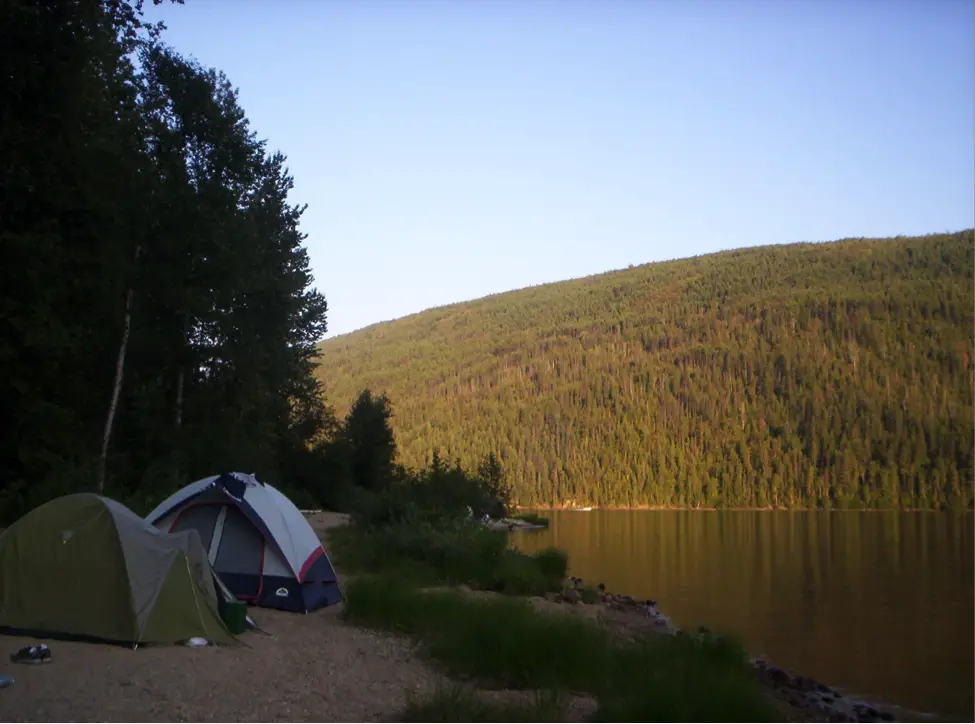
A few years ago, during my college summer break, me and a group of my second year classmates went to out to the Colorado country for a 5 day long camping trip. Colorado is a beautiful state and a great option for hiking and camping, with both nature and wildlife.
We studied at the Colorado State University and the hiking spot we chose was a few hours away and it was perfect as we didn’t want to drive out too far.We knew that Colorado country is home to black bears so we had already made sure to check out the details of our camp site and we were told that bear and human contact is rare and very much preventable. Black bears can be dangerous if they come near humans although their attacks are almost always made as a defensive action and as a species black bears are not generally aggressive.
We carefully read the instructions displayed on the signs boards and also mentally revised them while walking up to the site where we grounded our tents.
When camping in bear territory, it’s important to never leave food, toiletries, or anything else that has an aroma or smell to it, outside in the camping ground or even in the tents where you sleep. Even if the things are boxed up, it won’t work unless the boxes have been sealed off properly to not allow too much smell to leak out an fill the surrounding air. We actually followed up with an instruction video by the Colorado Parks and Wildlife Department, which a group of campers that we met on the way shared with us. We didn’t have any of the bear resistant containers at our side but we knew from research that cars are also safe as long as the food is properly hidden away and covered.
All was going well as we set up our camps, hiked around the area a bit and started our fire at around 7 in the evening. We made macaroni and cheese which was so delicious for our starving tummies after a long exhausting day and laughed and shared storied as we finished it. As darkness approached, we collected all of our left over mac and cheese carefully in a single container, packed it up and locked it carefully in the car., because we didn’t want to create any unnecessary food waste especially since we still had four more days to go.
The five of us, two boys and three girls, then went for a short walk under the bright moonlight before sleeping. After about 20 minutes, we headed back to our camp ground and upon reaching the site, couldn’t believe what we saw. Our tent was all pulled out and torn from all ends.
And right in front of our eyes and at the spot where our fire was, which we turned off before leaving as we had our torches so we didn’t need it anymore, there was a huge black bear with its slick coat and shiny eyes, reflecting the moonlight, staring right at us.
We froze where we stood, all freaked out. The bear started moving towards us and my friends started to swerve and pray in fear. We couldn’t even run to the car as the bear was bang right in front of it, next to the remains of our tent.
Then somehow, one friend Jake remembered that we can scare the bear by darting rocks at its way so he told us to do that and one by one all of us started doing that while flashing our torches around it. We also started clapping and thumping with our feet very loudly creating lots of noise. This behavior I assume made the bear feel intimidated and he stopped moving towards us. Then I remembered that we can flap our hands in the air to let him know that we are humans and this is our territory, something which I read on the internet. I quickly started doing that and made the group do the same. Eventually after about 7-8 minutes of this whole fiasco the bear glanced around a few times quickly and then started running in the opposite direction.
We were relieved to see that the humongous mammal was finally gone but the devastation which it has caused on the site was irreversible as our tent was totally broken and torn. Only after coming back to the city I read this precious bear proofing your campsite guide which we should have looked up earlier.
We were glad that the bear hadn’t attacked our car and damaged it. Even though we had followed all the instructions, we made one grave mistake, which was leaving the fresh camp site behind unattended, in the night. I think the bear was hungry and it was probably watching us from far away. I am pretty sure if we wouldn’t have left the site, the bear wouldn’t have come. But because it saw us leave it, decided to check the place out because it would have definitely smelled the food there earlier.
Although we were so thankful to have made it past the incident without any harm our exciting camping trip had to come to an end there and then as our tent was not usable. We knew that it’s also sometimes safe to sleep out in the open but we were pretty uncomfortable with the spot as we knew bears were in the area so we cleared up the space, got into the car and drove off in the middle of the night.
Our camping disaster was truly disappointing but it definitely taught us an important lifelong lesson; never to take nature lightly and always come extra prepared. If we had packed an extra tent, and then something like this had happened, who knows we could have probably talked ourselves into staying the night and the day after at least or just move a little further away to a new spot and camp all over again.
When prepping for a disaster, it is important to understand all the different risks which can be faced. Also the effects those disasters can have. Looking after yourself during a tornado requires very different action to surviving a flood. Being prepared for different types of risk is crucial. You also need to understand the levels of risk faced where you live.
Due to factors like climate, geology and human interference, parts of the globe are much safer than others, and some areas face extremely diverse risks. By having a survival kit that fits your needs and preparing a plan in case the worst happens, you could ensure you and your family make it through the disaster: no matter where in the world you live.
The most deadly kinds of disaster
The three big killers are floods, earthquakes and cyclones. Historic events such as the China floods, the Shaanxi earthquake and the Bhola cyclone caused the loss of over 3,000,000 collectively, and the world’s ten worst disasters killed over 7 million people in total. Other causes of natural disasters are tsunamis, avalanches, hurricanes, heat waves and droughts.
Preparing for these disasters requires a little common sense: you really only need to be ready for those likely to affect you. If your local climate is hot throughout the year, heavy snow is unlikely to be an issue. If you are far from the coast, tidal waves should be of little concern. For those in the highlands, flooding is rarely an issue. However, there are parts of the world which are at high risk of a serious disaster because of their geography and climate. It is also important to remember the golden rule of disaster preparedness: expect the unexpected!
The riskiest places on Earth
There are some factors which make a location’s risk higher. These include being close to a river or the coast, so that flooding is possible. The location might also be on a tectonic fault where earthquakes are likely, or active volcanoes may exist. Other places might have multiple risk factors – a nearby lake, a high mountain range, an incoming coastal air stream and an underground fault line. When multiple factors combine, the chance of a serious disaster is much higher, and the chance of multiple concurrent disasters also occurs. If you live in a high risk area, you had better make sure your survival kit is stocked to handle a range of situations.
Some of the areas highlighted as having high risk levels:
There are also many places which did not make the list, but which are known to be at risk because of a combination of factors. The United States in particular has had a tough year in terms of Mother Nature’s wrath, experiencing everything from heavy snow and hail to wildfires and mudslides in the past six months. Australia has also seen its fair share of fires and droughts during the previous three years. Knowing what type of incident is likely to happen and having the tools to survive it is important if you want to be ready for the worst.
Building a survival kit
It should become part of your weekly routine to stock up your disaster kit. There is no reason it should be expensive to do so. Check out OZCodes.com.au for discount codes on products from leading outdoor equipment retailers and suppliers. Create a kit that suits your budget. Remember to tailor your kit to the place you live and the things you might face if a disaster hits. You can’t fight a wildfire with a snow shovel! However, some of the basics will be needed no matter what situation arises: such as a comprehensive first aid kit, a reliable weapon, plenty of safe food and water, and the tools to create shelter, warmth and power if needed.
Reactions to the situation will depend on the type of disaster, as well. Early warning is possible in the event of fire or floods, but not always if a tornado or earthquake hits. Sometimes evacuating will be the best option, in which case you will want to grab your bag and hit the road. Other times, getting to the safety of a cellar or shelter and waiting out the disaster is more appropriate. This is where the survival kit for a long term stay should be stored.
Whatever situation you could face in the future, having the knowledge and equipment to face it properly could mean the difference between life and death. Know the risks: get familiar with the climate and geography of your home town. Read up on previous disasters in the region so you know what you should expect. This is especially true if you move to a new town or even a different country.
This is probably the most important test of the survival still, because if you ever have to actually rely on the still, you may not have any other cooking method other than the trusty campfire.
Once again, if you rub bar soap on the outside of the bottom pot BEFORE you put it on the fire, the soot will clean up much easier.
While a lot of people think the survival still is too expensive, I think it is a pretty neat product.
I find that using a survival still over a campfire is a pretty easy way to distill water.
(Edit) Now the Survival Still ships with a stainless steel water line. If you have the old silicon one, contact them and they will ship you a new one free. I got one in and it does work well, it is flared, so I find it picks up the water inside the still better, but being steel it is not flexible and I found it harder to fit on my stove with the pots I have – I had to use a bowl instead of dripping into the mason jar I normally use.
While remodeling my bathroom and having my water turned off I realized that some people (my wife being one of them) may not know how to flush the toilet when the water is off.
Because of this I wanted to share a simple disaster pooping tip.
This simple video shows a basic concept that many people may already know, but it is something I feel is worth sharing.
If you do not know how to flush your toilet when you don’t have any water then this video will show you how.
You don’t have to throw the water in the tank for this tip to work. Alternatively, you could pour the water into the bowl directly. However, I like this way so I can quickly flush the toilet and have the contents of the bowl disappear.
This seems to work better for my wife’s sensibilities.
Anyway, if you already know this then take comfort in that fact. However, I hope that some of my readers learn something from this post.
It is my goad to help people learn tricks to more easily become self reliant, but ultimately my desire is to help develop the proper mindset so that more people learn how to figure out their own tricks – because if they share them I can learn from them – which is easier on me… LOL
Finally, when little issues like this come up, being prepared with a solution goes a long way to help my family understand the benefits of a prepared life.



 We knew that Colorado country is home to black bears so we had already made sure to check out the details of our camp site and we were told that bear and human contact is rare and very much preventable. Black bears can be dangerous if they come near humans although their attacks are almost always made as a defensive action and as a species black bears are not generally aggressive.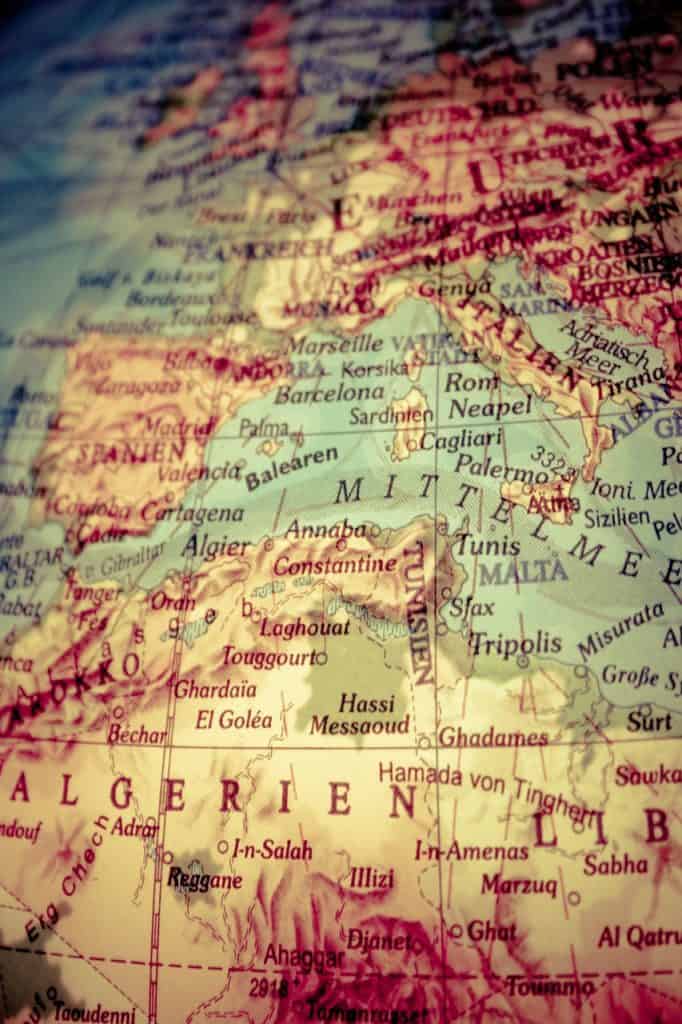


 The other day we showed how to use

 While remodeling my bathroom and having my water turned off I realized that some people (my wife being one of them) may not know how to flush the toilet when the water is off.