Tag: safety

  • What Happens if You Don’t Inspect Rigging Equipment?

    What Happens if You Don’t Inspect Rigging Equipment?

    We can’t overstate the importance of inspecting rigging equipment. Neglecting this vital process can lead to catastrophic consequences for industrial workers and the overall work environment. The following sections delve deeper into what happens if you don’t inspect rigging equipment and why regular checks are essential.

    Deterioration of Equipment Quality

    One reason to conduct routine inspections is to monitor deterioration. With continued use, wire rope slings may fray, develop rust, or otherwise weaken. When workers allow equipment to degrade unchecked, it opens doors to problems, such as malfunctions or breaks during lifting or other applications, posing serious safety risks.

    Compromised Safety and Increased Accidents

    Ensuring workers are safe on the job is paramount. Disregarding the need for assessing rigging gear can jeopardize the overall safety of the work environment. Damaged and deteriorated equipment may suddenly fail, often resulting in accidents such as falling loads, equipment collisions, or snapped cables. These accidents can lead to severe and costly consequences for businesses.

    Regulatory Compliance Issues

    Depending on the local authority, laws and regulations governing the inspection and maintenance of rigging equipment may vary. However, neglecting the necessary inspections can result in noncompliance with government regulations, leading to fines or legal action against the business.

    Decreased Productivity

    You could contribute to decreased productivity if you don’t inspect and maintain your rigging equipment. Failing equipment can lead to delays or costly repairs and replacements, affecting productivity and project timelines. In attempting to save time by not inspecting equipment, organizations may ironically lose time—and money.

    Tips To Keep Rigging Equipment in Optimal Condition

    The importance of inspecting rigging equipment is evident from the potential consequences we discussed above. Establishing and adhering to inspection schedules will help ensure everything remains in optimal condition. Additionally, make sure you train your staff in these processes, such as by teaching how to inspect wire rope slings. Training employees instills better care and awareness about inspecting rigging equipment.

    Now that you know what happens if you don’t inspect rigging equipment, you won’t overlook this important process. Doing so places worker safety at risk, increases the likelihood of accidents, and compromises productivity. By implementing regular inspections and maintenance procedures, businesses can ensure enhanced safety and efficient work processes, benefiting their bottom lines.

  • Safety Tips To Follow When Handling Metal

    Safety Tips To Follow When Handling Metal

    It is quite likely that you work with metal on a daily basis. In fact, there are countless industries that require metal working, from aerospace, medical, and automotive. Metalworking is vastly different from a slightly similar task such as woodworking.

    The biggest thing that leads to the likelihood of injury is comfortability. Often, people that work with metal may disregard safety protocols. To counteract this, we must stay aware. Here are some useful safety tips you should follow when handling metal.

    Wear Goggles

    It is very often that you will see people who work in any shop disregard the usage of wearing goggles. However, this is a time when you should do as you are told, not as you see. You might think it is odd or unnecessary, but metalworking industries have the highest rates of eye injuries. It’s vital to wear your safety goggles.

    No Loose Fit

    One of the easiest safety tips to follow when you are going to handle metal is wearing protective clothes. Steer away from donning any garb that has a loose fit; this is because a lot of the machines used for metalworking can easily grab a dangling piece of cloth. Make sure to opt for tight-fitting, protective gear.

    Use Gloves

    Sometimes, when you are handling metal, the material will have sharp edges and burrs that you must remove. That is why it is crucial for you to use heavy-duty safety gloves when grabbing any metal, especially when it has any sharp edges. It would be best to remember that metal is an extremely hard metal that can easily cut and injure your fingers. You might think you are fine to grab at it, but anything can happen when metalworking.

    Respirator

    A huge danger of metalworking is sheet metal dust. Many don’t realize that they must also protect their lungs from inhaling the dust from sheet metal. Failure to protect one’s lungs can increase the risk of respiratory illnesses. As such, it is an incredibly good idea to wear a dust mask or respirator that protects your lungs from breathing in tiny bits of metal.

  • 10 Tips for New Hunters

    10 Tips for New Hunters

    Like every other new adventure hunting, shotgunning or ranging comes with its share of expectations, assumption, and challenges. But you sure do not intend to set out hunting without having a clear picture of what to expect. These 10 tips for new hunters is a sure must-have guide before making the first move.

    Gaming is an interesting past time or profession for so many across the world. From Europe to the Americas, Asia and the continent of Africa hunting has provided a source income or sports – leisure for many. In many cultures, hunting is a tradition and the first kill is a rite of passage. But getting that first kill could be an enormous task for the even the best sportsmen or hunters.

    Now, let’s explore these 10 tips for new hunters to help you hone your skills.

    1. Learn from others

    You can never take the value out of working with a veteran when it comes to bowhunting or rifle season. Hunting goes beyond just targeting an animal for the kill. It is a skill. And working with an experienced hand helps you tap from their wealth of experience. It helps you understand the conditions of the environment, timing, species and best moves to make when hunting. An experienced hand understands the terrain, the tools, and techniques to survive that terrain. It always pays to start hunting experiences with a team for exposure and safety.

    1. Get a hunting license

    Whether an occasional hunter, sports lover or pursuing a profession in hunting it pays to get licensed. There are laws governing hunting in most states. And law enforcement officials can ask for your permit at any time in the wild. Of course, this is not the case in some areas with relaxed laws on hunting but be sure before you head out. Your guide should be in a position to advise you. Also, keep your license in a safe, sealed bag plus read the hunting regulation properly.

    1. Get the Right Tools

    Acquiring the right tool is vital to your success as a hunter.  However, you must also know how to use the tool. Whatever hunting tool, bow or rifle you are to use for hunting must align with your body, stature, and nature of hunting. The environment or location can also determine the tools to use as well as regulations.

    Bows must align based on the game, draw weight and length to succeed. Your weapon should feel comfortable to hold and draw or aim without much movement. For instance, using field point arrowheads would be considered illegal in most territories. It could cause minimal injury to the game leaving it to an agonizing death even if it escapes. But broad-point arrowheads can give a broader cut and better for achieving your overall goal.

    1. Get your bag pack

    Besides the shooting equipment, there are other tools to aid a successful shooting experience when game hunting. You need items such as camouflage, hunting gear, and clothes, body odor concealer, safety harness, bow hanger, hunting shoes, etc. consider the weather, do you need rain gear? Take something to keep warm for yourself and other family members if going in a group.

    Do not forget to carry enough water for the length of time you intend spending, hours or days. Carry enough food, snacks, & jerky. Also, throw in some treats to keep it exciting while waiting for the kill.

    1. Practice!

    Practice increases your chances of success. Though there is nothing as good as going afield. But you need to have a clear understanding of your weapon, how it works and how to use it effectively. You could also practice in the field with an experienced guide. Practice shooting with shotguns, rifles, crossbows, bows, to avoid becoming a security risk to yourself and others.

    Practicing should be over a lengthy period of time and not a one-off thing. Even experienced hands still need to practice or hone their skills. Part of your training includes reading books, online guides like the huge resources you would find on this website and more. There are also programs on television on hunting trends and news.

    1. Plan your day

    Don’t start your day without revising your plan. Yes, I assume you had your plan laid out before embarking on the journey? It would be disastrous if you didn’t. Because if you forgot anything due to not planning ahead, men, it might turn out a huge waste of time!

    An experienced hunter or veteran understands the need to gear up and ensure his team is ready physically and psychologically for the big day. So, check your emotions, be prepared! What likely physical or mental constraints do you experience and how can you mitigate them now? For newbies, the tendency is to be fidgety and lose composure. At this point, set milestones; create small achievable scenarios based on your shooting experience. Start with smaller milestones to reduce the chances of failure. Don’t jump at big opportunities immediately as sudden failures can dampen your spirit. If you are in a team, let every member of the team know the plan and mode of operations.

    Keep your bow hanger screwed to a tree as you cannot carry your hunting materials all through. It is a time-consuming exercise and you need the freedom to aim and take a shot. Also, remember to wear your hunting camo, clothes, gloves and face mask. Some animals such as the deer can pick your body odor from afar so make use of cover scents to mask the odor.

    1. Taking your first shot

    The first shot is very important while hunting. Scout your intended location adequately. Be sure your location works well for hunting your prey. Do not focus on a location that is ideal for you but what gets you geared up for success – strategic location; excellent shot!

    Aiming or siting a bow for a kill is a skill and it takes a lot of practice to get it right. That practice you should have done for long hours and days before the ‘D’ day. Learn to adjust your view to your shooting range. Patience is a virtue when it comes to hunting. Look at the patterns you create whenever targeting a prey, it will help you get better shots. Take advantage of the wind when trying to take a shot but look for where sensitive organs are before shooting.

    Depends on your training and strategy you can opt for either the traditional or mechanical arrow release strategy but get it right. Traditional shooting involves holding the arrows to the bowstring until the release time. All the while you keep your eyes locked on the target – take aim. Mechanical involves using a release aid to set off or trigger the bow. A lot of hunters make use of the mechanical bow release aid today. The mechanical is a lot easier to use.

    Be relaxed, exhale or hold your breathe on the release to avoid panic and ensure sturdiness when making the release. Calculate the distance before attempting. Use your gaming skill and check for clearance.

    1. Patience!

    Hunting is not like playing a game of car racing. It is not like a one-meter dash, it is about the destination. It is about your ultimate goal and you don’t want to get there too soon or too late. And that means, attacking before or after the game arrives. Just because you sight a game does not mean it’s time to take a shot, wait for the perfect timing and angle.

    1. Safety first

    The security of your team plus those within the environment should be a major focus for you. Also, ensure your firearm and bows are in order. Do not shoot or fire aimlessly to avoid accidents. Always ensure your body or rifle is on safe mode by staying off the trigger or lowering when not in use. Only fire when the target is within range.

    1. Keep Memories

    Always keeps precious memories of each milestone set and achieved as you would need them. Snap as many photos as possible, celebrate yourself and achievement.

    Being a successful newbie hunter is not about the size of the animal but the smile that erupts after the first kill. Your first kill, your first prize! Getting every other prize afterward comes with continuous practice, reading, learning and mentoring. You also need to understand that every environment and species comes with their peculiarities when hunting. You must get more information about an environment and their games before launching out. Please leave a comment or share this article with friends if you find it helpful. Happy gaming!

  • Safety First: 5 Things to Think About Before Remodeling

    Safety First: 5 Things to Think About Before Remodeling

    The time has come for the big renovation! While you’re probably deep in planning the new look of your house, there are some other things you should keep in mind. Safety! Some people opt for moving out while the renovations take place.  Ohers choose to stay at home and navigate the new circumstances in the best way possible. But a construction site is a place where a lot of dangers creep if you haven’t eliminated them on time. Here are 5 things to think about before remodeling to ensure the safety for yourself and your family.

    Make It Well Lit

    A lot of times accidents could have been prevented if only someone knew what they were stepping on or walking into. So to make sure none of such things can happen at your place, make the whole construction site well lit. This means installing lighting at night all around the place. Think: where are you usually walking coming home, or taking the garbage out? What about going to the garage or backyard to fetch something? The terrain can be bumpy, or there might be nails on the ground. By installing good lighting you’ll be able to see where you’re walking and avoid anything that can do you harm. Apart from that, good lighting is always a plus when it comes to potential burglars breaking into the house. The fewer shadows – the less chance for someone to hide.

    Keep the Tools Away

    Good construction workers will try their best to not leave anything behind, but mishaps can occur here and there, and this is especially dangerous if there are kids in the house. Children love toys, and above all, they are curious beings who love everything that looks like it could be used as a toy – so a tool poses a real threat, as it can seem interesting enough so they want to play with it. Tell the contractors to not leave power tools at your place overnight – or at least not plugged in and within reach, if it’s too much of a hassle to bring them and take them away every day.

    If jobs are large and happening all over the place, a good idea is to have a tool gathering at the end of the day. If the tools are definitely staying at your place overnight, ask the workers to collect them and put them in one designated, secure place out of reach of the little ones. The workers themselves will benefit from this as there will be no issues over who left what where, but the more important thing is, no child will find a tool somewhere on the site and wonder what the button does.

    Keep the Construction Site Isolated

    This is an even better idea to prevent children and pets from rummaging around the rubble.  This will prevent them from accidentally hurting themselves, or running into a worker. Isolate the construction site by installing temporary barriers systems, or temporary fencing. These portable fence panels will prevent little ones from stepping onto the area where they might get hurt.  They also signal to everyone else that the area is shielded for public safety. Safeguarding the site, but also passersby, this is an ideal solution for ensuring safety, but also because it can be easily removed once the work is done.

    Change Your Family’s Habits

    This will require some planning and talking. What are the areas being renovated, what do you use them for, and how do you plan to replace them? Make sure everyone is on the same page and knows what they should be doing. You will obviously have to get used to changing the way you use your home and teach your children to follow in your footsteps. Sometimes this means teaching your spouse not to cut corners! If the remodel is focusing on an area you use every day, work together with the contractor to set up alternative areas that will fulfill your needs while the work is being done. Hopefilly, of it is a bathroom, you have anther to use. If it’s the kitchen, set up a temporary kitchen in an extra room, or a garage.

    Make sure you always, always use it for everything you usually use your kitchen for. That means no going to the old kitchen to grab some tools! If you’re relaxed about it, kids will follow, and that’s the last thing you want them to do while the renovation is underway. Help them remember to stay out of areas where the work is being done. Lock the doors, put up physical barriers we’ve mentioned, or add signs if they can read.

    Know the Dangers of Unfinished Areas

    Even when the tools are stored safely, and there are no workers around, unfinished work area has a lot of potential hazards – especially to children, but also adults who are unaware that some things are off or malfunctioning. For example, sometimes the room looks done, but the wall socket covers are off. You most definitely don’t want your child examining this. And if there’s nothing that might physically hurt you, there can be things full of dirt and bacteria, or just being plain unsafe. When safety features are missing, the area is a hazard. Prevent unwanted situations by staying away from unfinished areas, and teaching children to do the same.

    Renovating can be a daunting task, even when it’s the contractors doing all the work. And of course, it especially rings true when you’re on the site, trying to lead your life as usual. But if you take into account all the safety measures and mostly keep away, it gets a little easier. So take care, and have a lovely new home!

  • 5 Hunting Safety Tips for Beginners

    5 Hunting Safety Tips for Beginners

    Hunting can be the most adventurous yet greatly dangerous outdoor sport. Therefore, making it as safe as possible for yourself as a hunter and the others in the locality is essential. This sport requires a set of weapons that, if not used with expertise and safety, can cause serious injury or even death.

    Therefore, it is necessary to learn all the pre-requisites and method of safety rather than blindly heading out for it. There are even complete courses for hunters and even the people who live in the hunting areas.

    Following are a few basic tips that will ensure a safe hunting experience for you:

    Weapon Safety:

    The safe use of weapons is extremely important to take care of. Taking this matter lightly can even cause a veteran hunter to hurt himself or others. Therefore, make sure you are well-informed about the rules and ways to use a weapon safely on the hunt.

    Using the gun and putting your finger on the trigger just for the sake of a good laugh with other hunters can cost a life. Therefore, remember not to put your finger on the trigger until you are completely sure about the target you want to fire at. The same goes for the use of crossbows and other dangerous weapons you take along on the hunt.

     Be Distinguishable:

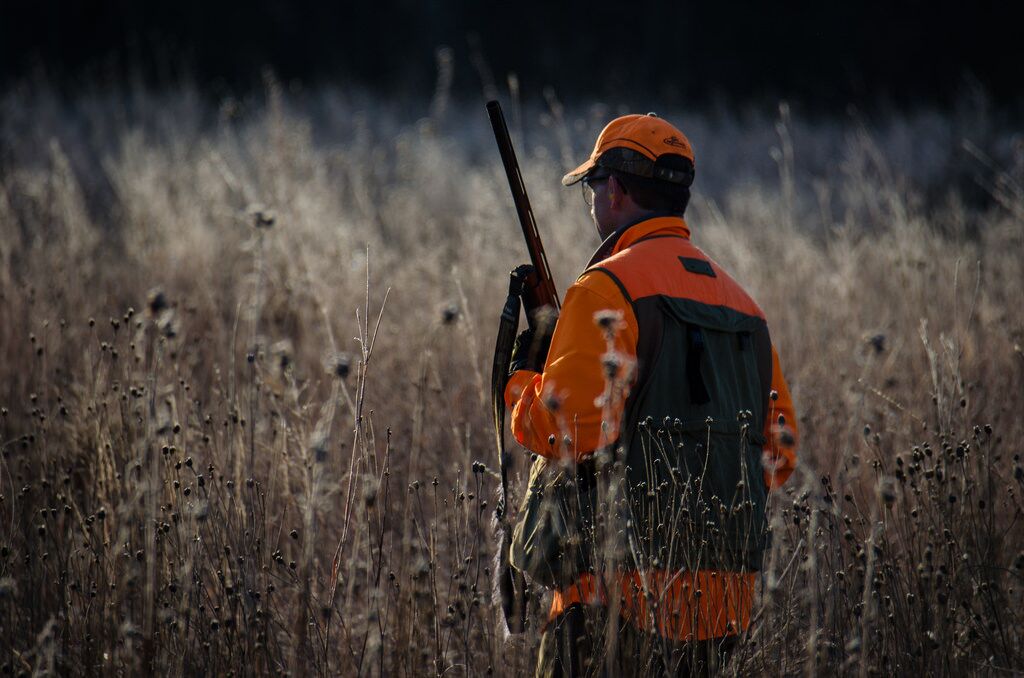
    If you are in the field, you must know that there are other hunters in there as well. They can easily mistake you with an animal, if you do not make yourself distinguishable. For this purpose, wearing a bright orange jacket and cap help you stay safe because it is what commonly hunters wear on the hunt. Different brands make special jackets and hat for hunters to serve the purpose.

    Heavy-Duty Snake Proof Boots:

    Hunting requires a lot of running and hiding in the woods and climbing trees as well. Not to forget, making such moves demand a pair of heavy duty boots. Moreover, if the boots are snake proof, that is even better as the field is mostly filled with snakes and harmful insects. Therefore, wearing such boots can ensure foot protection and keep you running for as long as you require.

     Hunting in A Group:

    Going out alone in the field can be greatly hazardous, especially if you are newbie. Hunting in a group is always preferable until you are completely ready for being on your own. You often need someone to provide immediate aid in case of injury or any mishap. Therefore, taking one or more hunters along with you can prevent you from feeling helpless in case of an injury or so.

     Safety Course for Hunting:

    If you are just getting started in the field of hunting, taking a safety course for it is essential. Moreover, it can also be helpful to refresh the concepts for those who have not been hunting for quite some time. Such courses include almost all the information and guidance you need for a safe hunting experience.