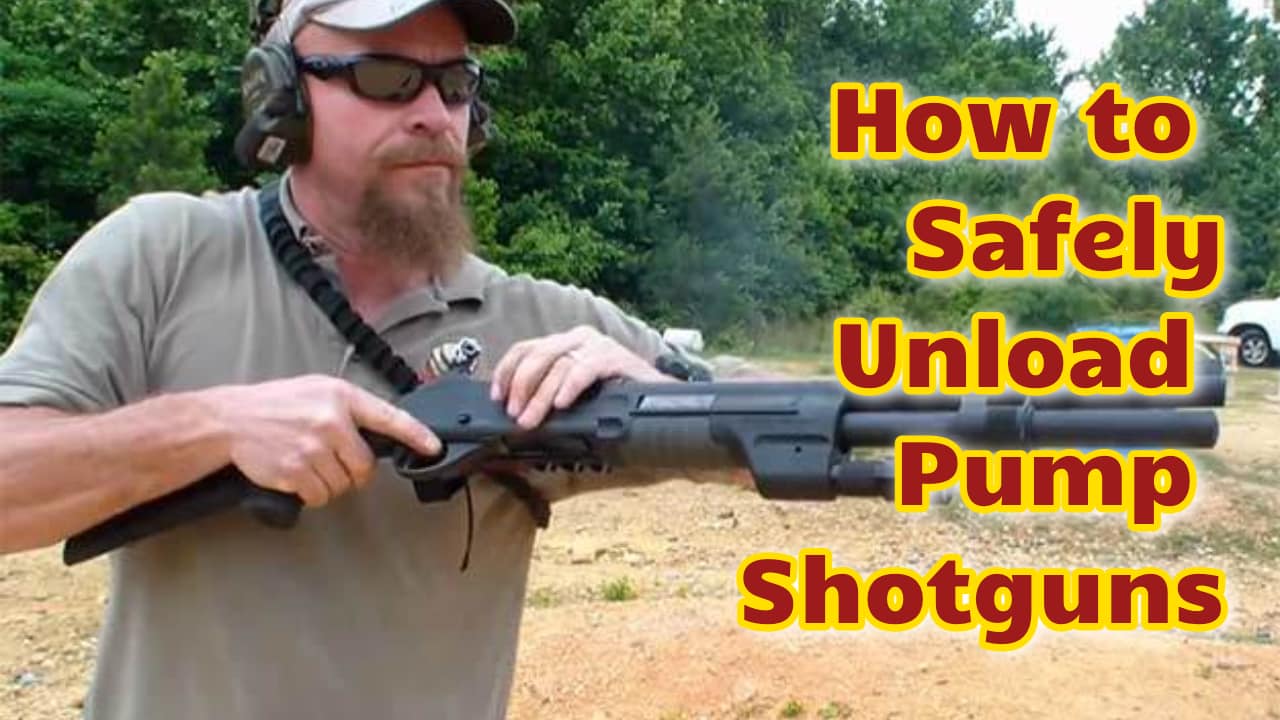
How to Troubleshoot Firearm Stoppage Using SAMM


Firearm Stoppage Troubleshooting Using SAMM
Buy at Amazon

When I am on the range with new shooters and they have a malfunction they tend to blame the gun. I understand totally, you pay a lot for a firearm, and want to depend on it to function 100% of the time.  Especially if you plan on using to defend your life.

If it keeps malfunctioning, you start to wonder if you bought a lemon.

However, it is been my experience that mechanical problems are not the leading reason most semi-automatic handguns malfunction.

There is an acronym that goes over the reasons for handgun malfunction, and it just happens to be in order or likely hood – so when you are on the range and “gun don’t work” try this first  That acronym is SAMM.

The list below will show you how to begin firearm stoppage troubleshooting using SAMM.

Shooter

Semi-automatic handguns are amazing things; they are designed to contain and channel explosions, push projectiles at hundreds of feet per second, extract and eject spent casings, push fresh rounds from magazines and then chamber them in the handgun. All this has to be done with a single input of energy and timed and balanced so that everything is done.

The shooter is a variable in the design. If the shooter does not provide a steady platform for the gun to recoil against, then the laws of physics make the whole gun want to recoil equally instead of just the slide. If the slide is not able to move farther and faster than the frame of the handgun you will get failures to extract, failures to eject, double feeds, and failures to load.

In my experience with new shooters, the greatest single cause of handgun malfunctions is the shooter not holding the handgun properly.

Ammo

Ammunition malfunctions are another cause of firearms failing to function as designed. I have no issue with reloads, and done properly by a skilled individual hand loaded ammunition can function much better than factory ammunition. However, there are a lot of variables in ammunition manufacture, and reloads tend to have a greater than normal incidence of misfires, hang fires, and squib loads. Some guns (like my Walther P22) are very finicky about the ammunition it will digest, and ammunition that does not have a lot of pressure will cause the gun to double feed or fail to extract.

Remember, that with a semi-automatic, the round is part of the firearm operation, and it moves inside the firearm. If the nose of the bullet does not smoothly engage the feeding ramp then the firearm will not load smoothly. There is a reason for the recommendation that you practice with the same type of ammunition you choose to carry for defensive use.

If you have malfunction after malfunction, especially with chambering, you may want to switch ammunition brands or styles.

Maintenance

Most, if not all, ranges offer rental guns, and most of those ranges do not spend a lot of effort in ensuring that their rental guns are cleaned properly.

One range I use rents an old red label Sturm, Ruger & Co .22 pistol. I doubt that gun has been cleaned since Mr. Sturm passed in 1951. These guns are popular handguns, and known for their great design, but that particular firearm will not shoot more than 2 rounds before it has a jam. It is simply too dirty. I have thought about cleaning it myself, but I have a side bet to see if it will ever get so dirty it won’t except a magazine….

Glock’s torture test is legendary, but as their armorer course instructor said, it’s a test – not a daily routine.

Just because you CAN drop you loaded gun in the mud, let it sit for a month then fire it without cleaning doesn’t mean you SHOULD. Clean your firearm, lube it according to the manufacturer specifications, hold it properly, and feed it what it likes to eat and your gun will work 99.9% of the time

Mechanical

There is a reason Mechanical is last. Stock guns maintained properly very rarely break on the range. It does happen, and I have had front sights work themselves loose after thousands of practice draws, but it is not routine enough that it is front of my mind when diagnosing why a new shooter is having malfunctions on the range.

Typically, even most mechanical malfunctions I have seen come from shooters using aftermarket parts on their guns. If the designer wanted a titanium firing pin for a lighter quicker primer strike, why did they not put a titanium pin in the gun? It seems to me, that in today’s litigious world, especially with the competition between gun manufacturers, if a part made the gun better, faster, or stronger, the manufacturer would sell it – either in the gun or as an option.

This is just my two cents, it doesn’t butter my biscuit either way – if your gun is stock, or you hung everything but Christmas Lights on it. I am just trying to pass on what I have seen, and what I have learned through the years.

Understanding the USE of Handguns for Self-Defense

PRN Episode #2 Gun Safety

PRN Episode #2 Gun Safety
Buy at Amazon

Here is the link for Monday the 28 of January’s show.

In tonight’s show we are going to discuss gun safety – since this show is going to deal with firearms I think it is important for everyone (not just the rational) to realize that a gun is not going to jump up an shoot something on its own.

Proper precautions prevent a lot of things – and when it comes to guns – following some simple firearm safety rules prevent tragedy.

Gun safety knowledge is essential to preppers – as well as to anyone that owns or is around firearms of all types.  It is not hard to be safe around firearms, but it does take the willingness to take responsibility for your own actions and pay attention to what is going on around you.

If you forget the link the show is easy to find – simply visit blogtalkradio.com and use the search bar to look up the Shepherd Show.  We are in the family section – because our show is family friendly.

Unlike my site which occasionally allows me to discuss religion and politics – you won’t here any of those topics on the podcast.  Today it is strictly gun safety

Always Physically Check Your Firearm Chamber For Safety

Physically Check Your Firearm Chamber
Buy at Amazon

So as I said in my Physically Check Your Firearm Chamber video above, firearm doctrine is created by our understanding of what works and why it works. Some things may seem to be superfluous or unnecessary when our understanding is limited, but as we understand the framework of the system we begin to realize WHY we do what we do.
This post shows one such firearm safety procedure and why you should always check your firearm chamber, physically as well as visually when unloading.

Firearm safety rules and procedures are fundamental to our safe use of firearms.  Later we will delve into the 4 fundamental rules of gun safety and why they are the fundamental rules.  For now let’s just talk about one thing. Why do we need to physically check to make sure our firearm is empty? Isn’t enough just to look into the chamber to see there is not a bullet inside?

I get a lot of personal joy helping someone become more comfortable shooting.  However, the main reason I like firearm training is the knowledge I get from keeping current in the field. To teach defensive firearm use I need to learn about how the mind works under stress, and how to apply that knowledge to physical tasks.

Why You Should Physically Check Your Firearm Chamber

You don’t rely on just your eyes to ensure our firearm is unloaded is because you cannot always trust them. To be more accurate, we cannot always trust our brain to accurately interpret what our eyes are telling it. Our brain is constantly being hit by stimuli, our clothes, background noises, smells, air currents, and other things would drive us crazy if the brain was not able to catalog and then ignore what it finds to be unimportant. It also creates little shortcuts to deal with minor repeatable tasks. If a stranger says “hello, how are you?” your brain automatically responds with something like “Pretty good, you?” (Or if you’re a Dave Ramsey fan “Better than I deserve”).

Of course someone is saying, “That’s stupid, I would never go into autopilot with something important like seeing if my gun was unloaded?”.   I bet if they thought about it, they could not remember a recent time that they actually thought through the steps it takes when they start their car, they just do it. Cars are serious business; more people are killed by cars than by handguns.

Furthermore, I bet that if they really think, they can remember a time when, after changing jobs, they found themselves missing a turn to their new workplace because they found themselves on autopilot driving to work.

When your brain goes about deciding to ignore the unimportant as background, it is creating ruts to preserve its processing power work together in this case.  If you find yourself “going through the motions” of gun handling you may be in for a surprise.

Basically, if you expect to see an empty chamber, you will probably see an empty chamber.  You can learn more about this in the book Thinking, Fast and Slow.

By physically using a finger to Check Your Firearm chamber you fix both of these root causes. By taking the extra step, your brain attaches extra importance to the act of ensuring the chamber is clear.  When your finger actually touches a round, the double dose of reality jars the brain into admitting its mistake.

Train like you Fight!

 Cops dumped the rounds in their hands so they wouldn’t have to pick them up laterI know this may sound a little farfetched to some, but put this in your head for perspective. You fight like you train.  For decade’s law enforcement trainers told their students to let the rounds fall to the ground when reloading their revolvers.  Rather than reload quickly law enforcement students would instead take the time to dumping spent rounds into their hands.  Cops dumped the rounds in their hands so they wouldn’t have to pick them up later. Officers routinely said they would only do that on the range.  They argued that they were smart enough to know the difference between range ease and street tactics.

After the Newhall shooting, the officers killed in the line of duty were found with casings in their pockets and unloaded firearms in their hands showed both trainers and students that training outweighed notional ideas of what you might or might not do. The officers involved were good cops and they fought back the best they could.  However, they did not have a full understanding of their tactics and training issues involved and they ended up murdered.

We might not carry revolvers as much anymore, but firearm fundamentals and mental preparedness apply to any firearm action type. You can easily check your firearm chamber by feel in a semi auto as a revolver.

Take what I am saying to you, and apply it to your situation.  I would hate to hear about a negligent discharge caused by an “unloaded gun”.