
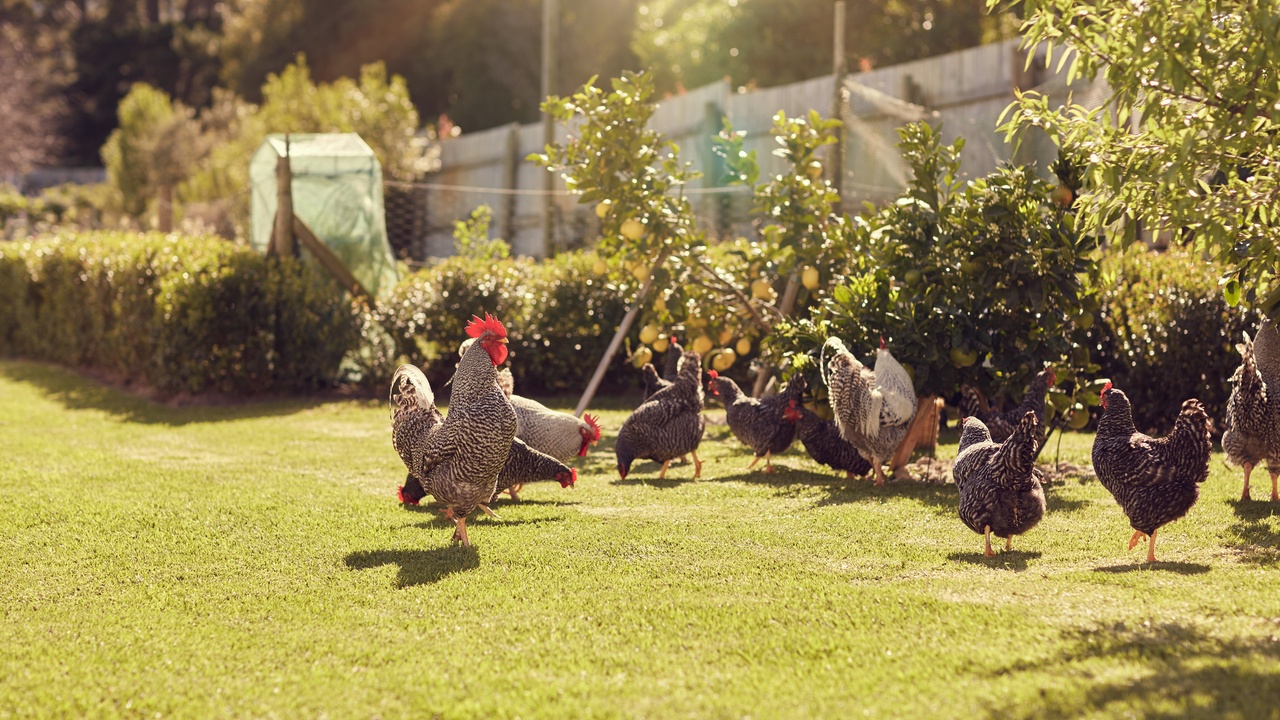
Raising chickens might sound like a commitment reserved for full-time farmers, but backyard flocks have become increasingly common among homesteaders and preparedness-minded individuals.
The benefits of keeping backyard chickens extend far beyond fresh eggs. These birds provide pest control, high-quality fertilizer, and a reliable food source when supply chains falter. If you’re evaluating whether chickens fit into your homestead, here’s what you need to know about why they’re worth the effort.
Fresh Eggs on Your Terms
Store-bought eggs come from hens you’ll never meet, raised under conditions you can’t verify. Backyard chickens give you complete control over what goes into your birds and what comes out in the eggs. You decide the feed quality, the living conditions, and how your flock spends its days.
A healthy hen produces about five to six eggs per week. That’s enough to keep a family of four supplied year-round, with a modest flock of four to six birds. The taste difference is noticeable. Eggs from well-fed, free-ranging hens have more affluent yolks and better flavor than anything you’ll find at the grocery store.
Natural Pest and Weed Control
Chickens eat bugs. Ticks, beetles, grasshoppers, and other pests don’t stand a chance when a flock patrols your property. They’ll also scratch through leaf litter and mulch, breaking down organic matter and reducing hiding spots for unwanted critters.
They’re not picky eaters, either. Chickens consume weeds, fallen fruit, and kitchen scraps that would otherwise go to waste. This reality makes them a practical addition to any homestead where self-sufficiency matters.
High-Quality Fertilizer
Chicken manure ranks among the best natural fertilizers available. It’s high in nitrogen, phosphorus, and potassium, all of which improve soil health and boost plant growth. Appropriately composted, it breaks down into nutrient-rich material perfect for gardens and food plots.
Fresh manure can burn plants, so let it age or compost it before applying it to beds. Once ready, it works wonders on vegetables, fruit trees, and pasture grasses.
A Reliable Meat Source
Egg production isn’t the only reason to raise chickens. Meat birds grow quickly and provide a dependable protein source. Broilers reach processing weight in about eight weeks, and dual-purpose breeds offer both eggs and meat over time.
Processing chickens at home requires some skill and the right tools, but it’s manageable with practice. Learning the basics of chick hatching and keeping gives you the foundation to expand your flock and maintain a consistent meat supply.
Preparedness and Food Security
Supply chain disruptions happen. Whether it’s a natural disaster, economic downturn, or something else entirely, having chickens means you’re not wholly dependent on outside sources for food. They convert kitchen scraps, garden waste, and forage into eggs and meat without much input from you.
Chickens also reproduce on their own if you keep a rooster with your hens. Therefore, you can hatch replacement birds without buying new stock every year.
Getting Started with Backyard Chickens
The many benefits of keeping backyard chickens make them a practical choice for anyone serious about homesteading or preparedness. They don’t require massive amounts of land or complicated care routines. A secure coop, access to food and water, and protection from predators cover most of their needs.
Start small with a few hens. Learn what works on your property before scaling up. Chickens reward good management with years of productivity and fewer trips to the grocery store.