
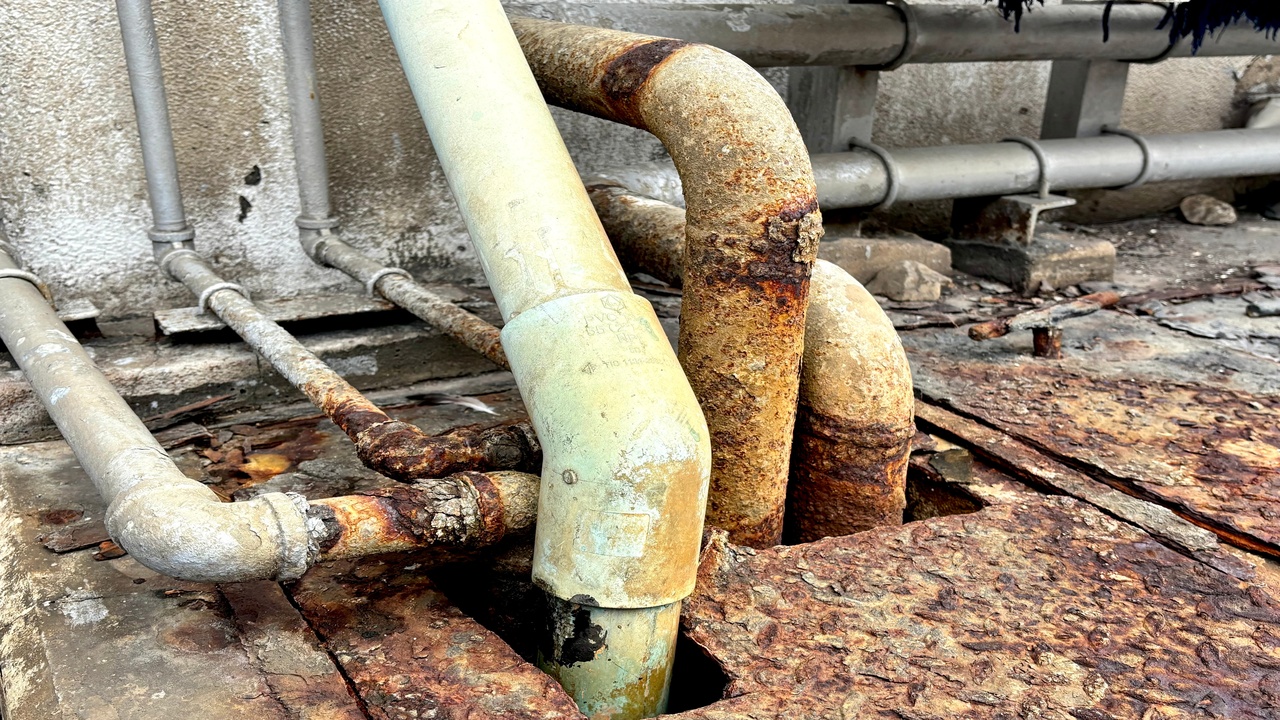
Corrosion occurs naturally when metals interact with their surroundings, causing them to break down over time through chemical reactions. For industrial operations, this is a constant and costly challenge. Understanding the science behind industrial corrosion control is the first step toward effectively managing assets and maintaining safety on site. This breakdown simplifies the core concepts of why corrosion happens and how we can stop it.
The Electrochemical Process of Rust
At its most basic level, corrosion is an electrochemical reaction. It requires three components: an anode, a cathode, and an electrolyte. The anode is the part of the metal that corrodes, releasing electrons. These electrons travel to the cathode, another part of the same metal surface. The electrolyte, often water or moisture containing dissolved salts, allows ions to move and completes the circuit. This continuous cycle leads to rust formation and metal deterioration.
Environmental Factors That Speed Up Corrosion
Several environmental conditions can accelerate the corrosion process. High humidity provides the moisture needed for the electrochemical reaction to occur. The presence of pollutants such as sulfur dioxide or chlorides from saltwater also greatly increases the rate of corrosion by making the electrolyte more conductive. Additionally, higher temperatures can accelerate these chemical reactions, causing metal to degrade more quickly.
Protective Coatings as a Barrier
One of the most common methods of corrosion control is applying a protective coating. These coatings create a physical barrier between the metal surface and the corrosive environment. This prevents the moisture and oxygen from reaching the metal and initiating the electrochemical reaction. For specialized applications, understanding tank coatings, including epoxy, polyurethane, and polyurea, can help you select the most effective barrier for your needs.
Cathodic Protection Explained
Another advanced method is cathodic protection. This technique turns the entire metal structure you want to protect into the cathode of the electrochemical cell. This is achieved in one of two ways. The first involves connecting the metal to a more easily corroded “sacrificial” metal, which then corrodes instead. The second method uses an external power source to supply a current that suppresses the natural corrosion reaction on the structure’s surface.
Managing corrosion is critical for operational integrity and safety. By interrupting the electrochemical process through barriers or cathodic protection, you can effectively extend the life of your equipment and infrastructure. A solid grasp of the science behind industrial corrosion control empowers teams to implement proactive maintenance strategies that protect valuable assets from degradation.