
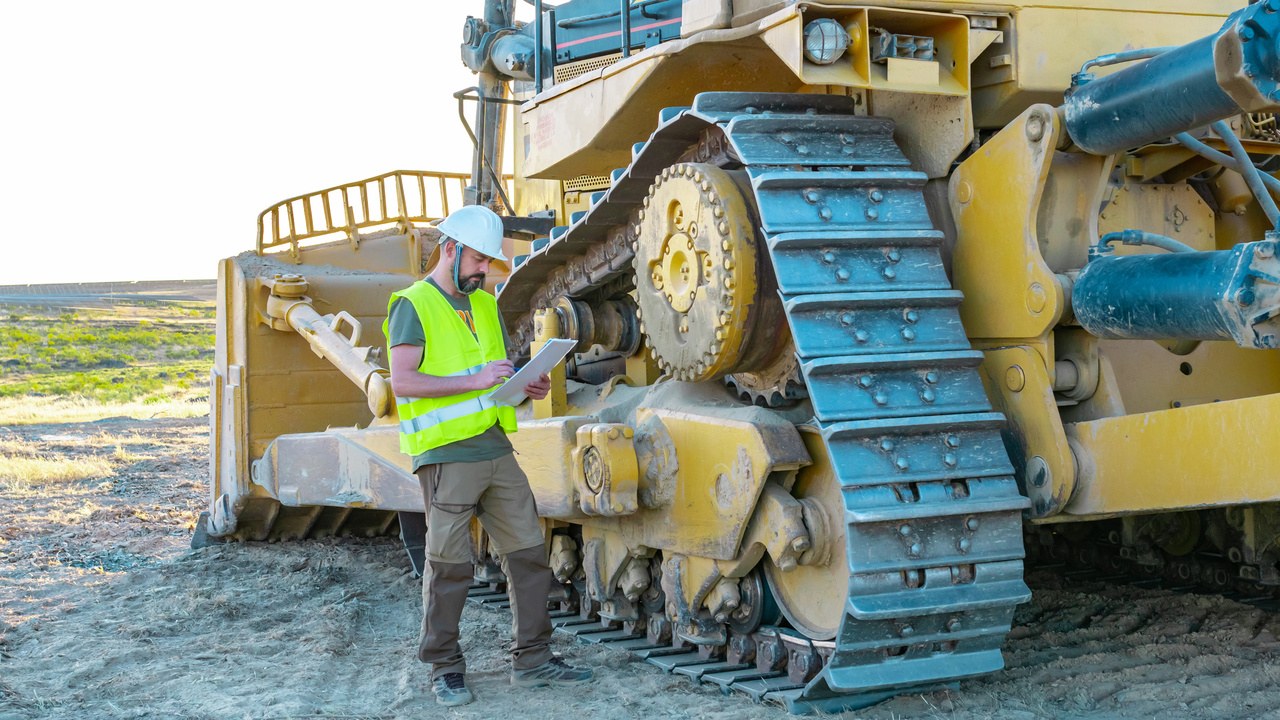
Workplace safety for heavy machinery operators matters most when long days, changing weather, and tight timelines meet powerful equipment. A safe worksite starts with consistent habits that reduce hazards. The solution comes down to three moves: prepare the operator, control the work area, and keep the machine in good shape.
Build a Safety Mindset Before Starting
A safe workday begins with a quick reset on what’s at stake. Heavy machinery reacts to small inputs, and a single rushed decision becomes a serious incident. Start every day with a deliberate pace, a clear plan, and the expectation that safety comes before speed.
Wear gear that matches the conditions to stay comfortable for hours. Choose snug-fitting clothing that won’t snag, boots with ample traction, and eye and hearing protection that won’t shift. Lastly, wear thick gloves that will protect your hands when touching hot, sharp, or oily surfaces.
Complete a Preliminary Walkaround
Walk the full perimeter and look for leaks, damage, loose guards, worn lines, and anything that looks out of place. Pay attention to steps, handholds, and access points since slips and falls start there.
Check lights, alarms, mirrors, and cameras if installed. Test controls for smooth response, and confirm the operator area stays clean and free of loose tools. Keep the cab or operator station organized so nothing interferes with pedals, levers, or visibility.
Pay Attention to Your Surroundings
A controlled jobsite prevents injuries and malfunctioning equipment. Fellow workers are at risk if there isn’t a good communication plan in place.
While you should maintain a predictable route and speed while operating the machinery, other workers should communicate via radios or hand signals. Working together will make the jobsite function smoothly and safely.
Control Fatigue, Focus, and Distractions
Good decisions require attention that stays steady. Heavy machinery work demands constant scanning, steady hands, and quick judgment. Build short pauses into the day to reset posture, hydrate, and refocus, especially during long outdoor stretches.
Avoid phone use during operation and keep music low enough to hear alarms and nearby activity. If a near-miss happens, stop and talk through what changed. Small adjustments right away prevent repeat problems.
Keep Maintenance Habits Simple and Reliable
Daily care supports equipment performance. Keep fluids at proper levels, clean debris from heat exchangers and intake areas, and routinely lubricate heavy-duty transmissions to reduce wear and heat buildup. Address unusual noises, vibration, or delayed response right away instead of pushing through.
Conclusion
Heavy machinery operators work best when the workplace is safe and the equipment is in good condition. Strong preparation, clear work zones, and steady maintenance habits reduce hazards in any setting.