PRN Episode #33 Interview with Joe Hildreth

PRN Episode #33 Interview with Joe Hildreth

PRN Episode #33 Joe Hildreth
Buy at Amazon

I have noticed that not everyone shares the same belief systems that cause people to be “preppers” or interested in DIY or self-reliance, and that sometimes people can even think that those that want to do things themselves and take responsibility for their own life are “weird” or “strange”.

Because of this, whenever I find others  that share my belief systems and live nearby I embrace them and treasure finding those that are like minded.

Today I get to share with you one of those people – a brilliant mind that not only shares a lot of the same hobbies as I do, but has surpassed me in many of them…

I hope to have today’s guest on more in the future as Joe Hildreth is a leader in the Middle TN conservative movement, coordinates and teaches financial peace classes, and has built his own CNC machine –

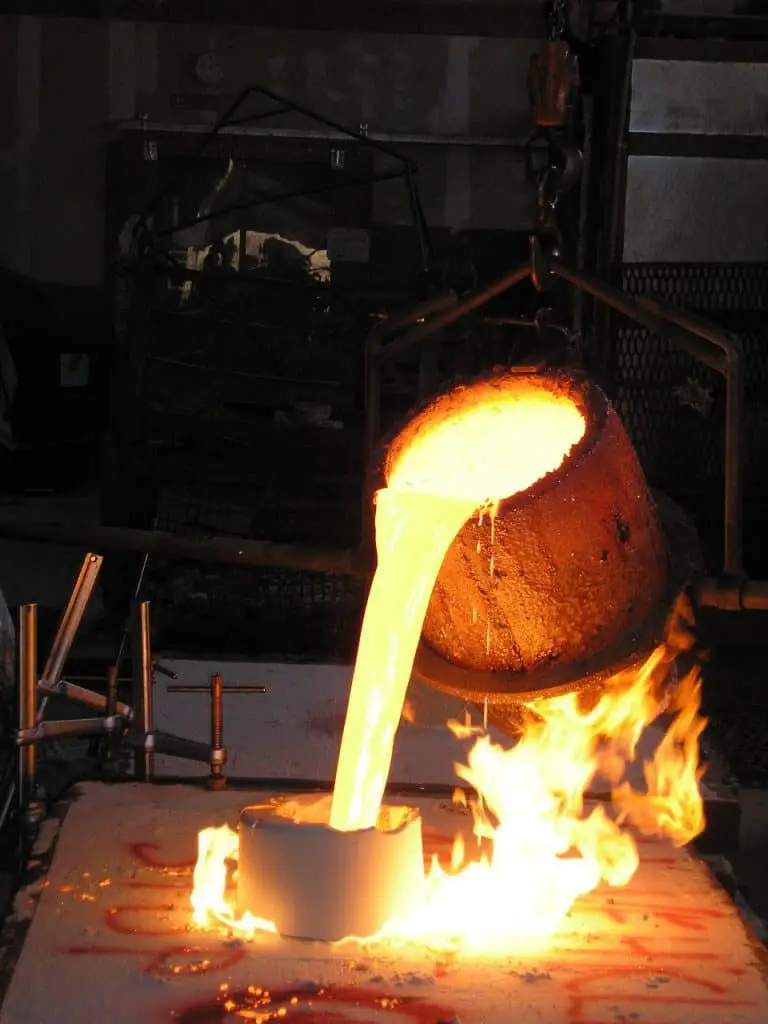
But today, we are going to talk about casting metal.  We will talk about the basic premise, how to get started, why its something preppers should consider learning and give some good tips and books to learn more if you are interested.

Of all my interviews, this one was one of the most enjoyable, and I found myself asking questions that I wanted to know…

I would recommend that if you enjoyed the show with Joe Hildreth today, you visit his website at:

www.myheap.com

Some of the books we discussed on the show today can be found here:

The Charcoal Foundry

Metal Casting: A Sand Casting Manual for the Small Foundry, Vol. 1 

Foundry Manual

The show is scheduled for Monday at 10pm central time at this link.

If you cannot listen on Monday, you can always download the podcast for listening at your own leisure.


How to Make Coconut Whipped Cream

How to Make Coconut Whipped Cream

52 Unique Techniques for Stocking Food for Prepper
Buy at Amazon

This post will show you how to take something you can store and turn it into an approximation of something that does not store well.  We will use coconut milk in a can to make “whipped cream” I call it Coconut Whipped Cream.
It is not exactly like whipped cream from milk, but it is very easy, gluten free, and good for those that do not like or cannot tolerate dairy

How to Make Coconut Whipped Cream

Step 1: Cool a “full fat” can of Coconut Milk for several hours to over night

Step 2: Scoop out all the thickened coconut cream, leaving the coconut water in the can. (Don’t waste the water, use it for something else.)

Step 3: add a little cinnamon and/OR vanilla to the coconut, and whip it in a mixing bowl until it turns foamy.

It took me some time to find the right brand of coconut milk, any brand with stabilizers won’t work because the stabilizers are designed to keep them from clumping.

I also find that I don’t like the taste of coconut – the taste  is pretty mild, and may not bother most of you, but I didn’t really like it – even though I did think it was pretty neat.

Blacksmithing Color Chart of Steel

Blacksmithing Color Chart of Steel
Buy at Amazon

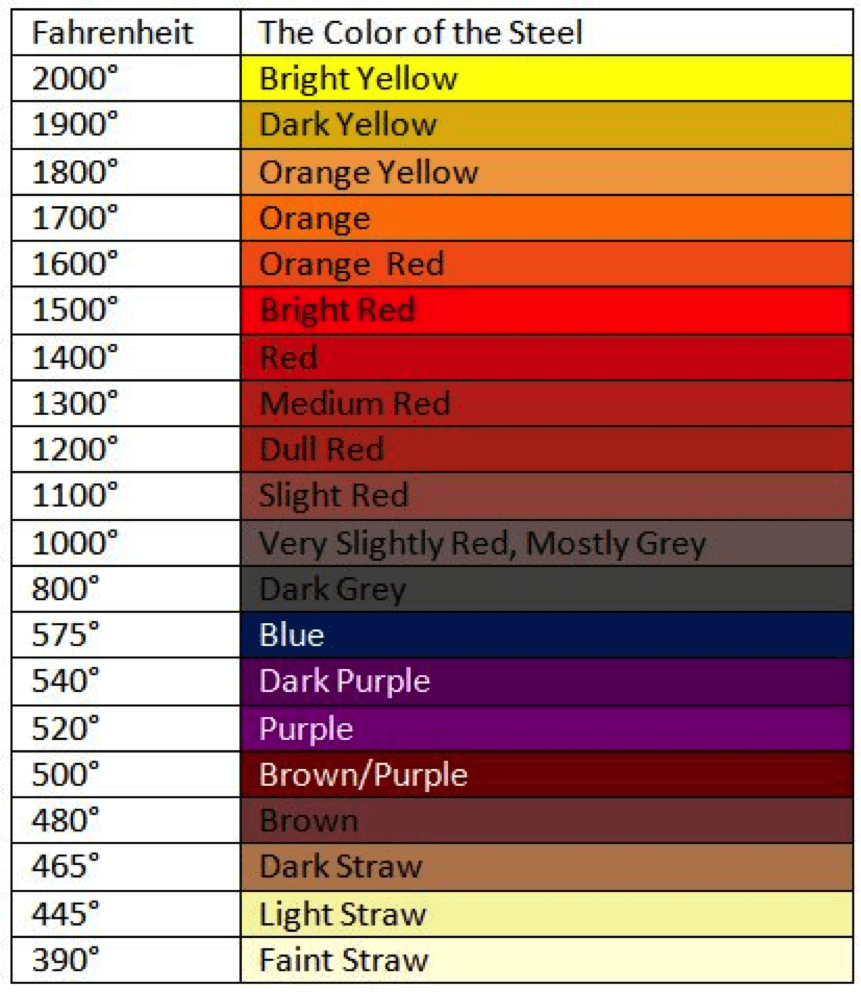
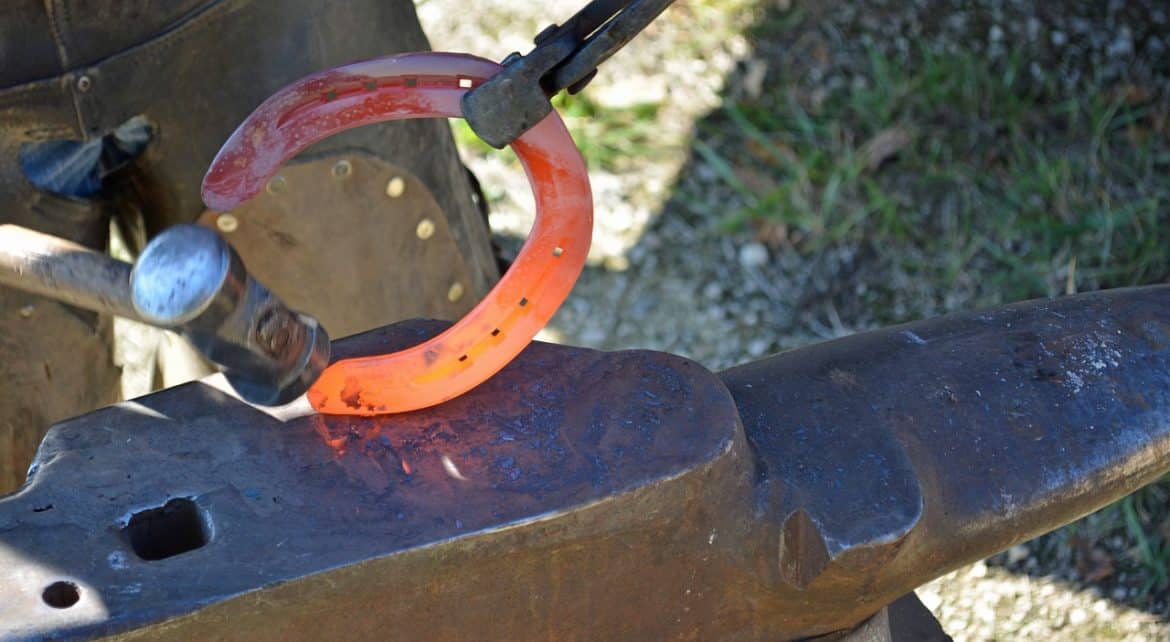
This post is another article I made specifically to help me out more than to share information with you. I have a hard time remembering what colors of hot metal means, so I did some research and found several charts to explain. This one was the best for my purposes and came from stormthecastle.com, this is a very cool website and they have a lot of good information.

Blacksmithing Color Chart of Steel

The problem with Blacksmithing Color Chart of Steel like this is that they are slightly different for the different types of irons and iron alloys. Additionally (and more problematically) the colors are subjective and will be seen by the same person differently depending on conditions at the worksite (more or less light, overcast or clear conditions)

Additionally different types of metal act differently at the same heat color. Some have a short working temperature, which means that they only should be worked at medium to bright yellow. If it gets to orange yellow quit and take another heat. This is something you will have to either learn on your own or seek the advice of others that have worked this type steel.

Your eyes see colors differently then how others see and label the same color due to age, glasses, and life experiences. You are building YOUR heat standard for YOUR forge under YOUR smithy conditions.

If you really want/need to know what temperature a specific color represents, or what temperature the steel has been heated to, purchase a temperature measuring device called a pyrometer.

I would also suggest that you buy special wax pencils that can be applied to the steel that will melt at a specific temperature. (the wax is also useful when annealing brass for reloading purposes).

So realizing that this chart is just a guide and it does not supplant personal experience at your forge, under your conditions it is quite useful beginners like me.

Sellier and Bellot 308 Match Ammunition Review

Gear Review: Sellier and Bellot 308 Match Ammunition
Buy at Amazon

Today I am taking some Sellier and Bellot 308 Match Ammunition to the range to try out in my CETME rifle.

Sellier and Bellot has been producing cartridge ammunition since 1825.

They produce ammunition using high quality components which is used by hunters, competition shooters, law enforcement agencies and militaries around the world.

This ammunition is new production, non-corrosive, in boxer primed, reloadable brass cases.

Here is the Technical Information on the rounds:

  • Caliber: 308 Winchester
  • Bullet Weight: 168 Grains
  • Bullet Style: Hollow Point Boat Tail
  • Case Type: Brass

Ballistics Information

  • Muzzle Velocity: 2628 fps
  • Muzzle Energy: 2577 ft. lbs.

I found this ammo to be good quality, but I had a problem with very hard primers. That is not always a problem and if you have a gun with a free floating firing pin, then it is a good thing, but if you are shooting a gun with a light firing pin spring you may have many failure to fire malfunctions with this ammo.

This .308 Math Ammunition is actually better than my ability to fire it, and after using it in other guns, I am starting to think that it may have been my gun – not for the group – that was my fault, but for the hard primers.

In the video I used a CETME but I am fond of other .308 rifles – check out this article on how to chose the best .308 rifle.

How to Test Soil Test For Clay Content

How to Test Soil Test For Clay Content


How to Test Soil Test For Clay Content
Buy at Amazon

This post came from several places; Christina Ott and I talked about this on the podcast and I read about it in the Hand Sculpted House.

I think Cob construction has some great benefits to preppers and homesteaders, but before you decide that cob is the material you will build with you really ought to test your soil to see if it is appropriate for your land.

Cob should be a mixture of sand, clay, and fiber – It is my understanding that the best mix is 30-50% clay. Sand gives it form and the fiber gives it tensile strength, but it is the clay sticks it all together.  This post shows an easy soil test for cob.

Cob Building Clay Test

  • First scrape away the top organic layer.
  • Next take a cup or two of soil from various potential house sites and from various depths. (Soil samples can vary a lot even a few feet from each other.)
  • Take out any stones or pebbles.
  • Put each sample in a quart jar, you should have about 1/3 of the jar full of broken up soil.
  • Label each jar
  • Next fill the jar 2/3 full with water and either some salt or a couple drops of dish soap.
  • Shake well. Very well – make your arms tired, switch off with someone, and then switch back and tire yourself out again.
  • Then let it settle. If your soil has sand, silt and clay in it, you’ll get three distinct layers.
  • The sand is the heaviest and will sink to the bottom as you watch.
  • The silt will settle next, and the clay will stay suspended in the water for a couple days then settle on top of the silt.

Finally, the best soil with have little silt and a lot of clay.  As you can always add sand to get the proper consistency.