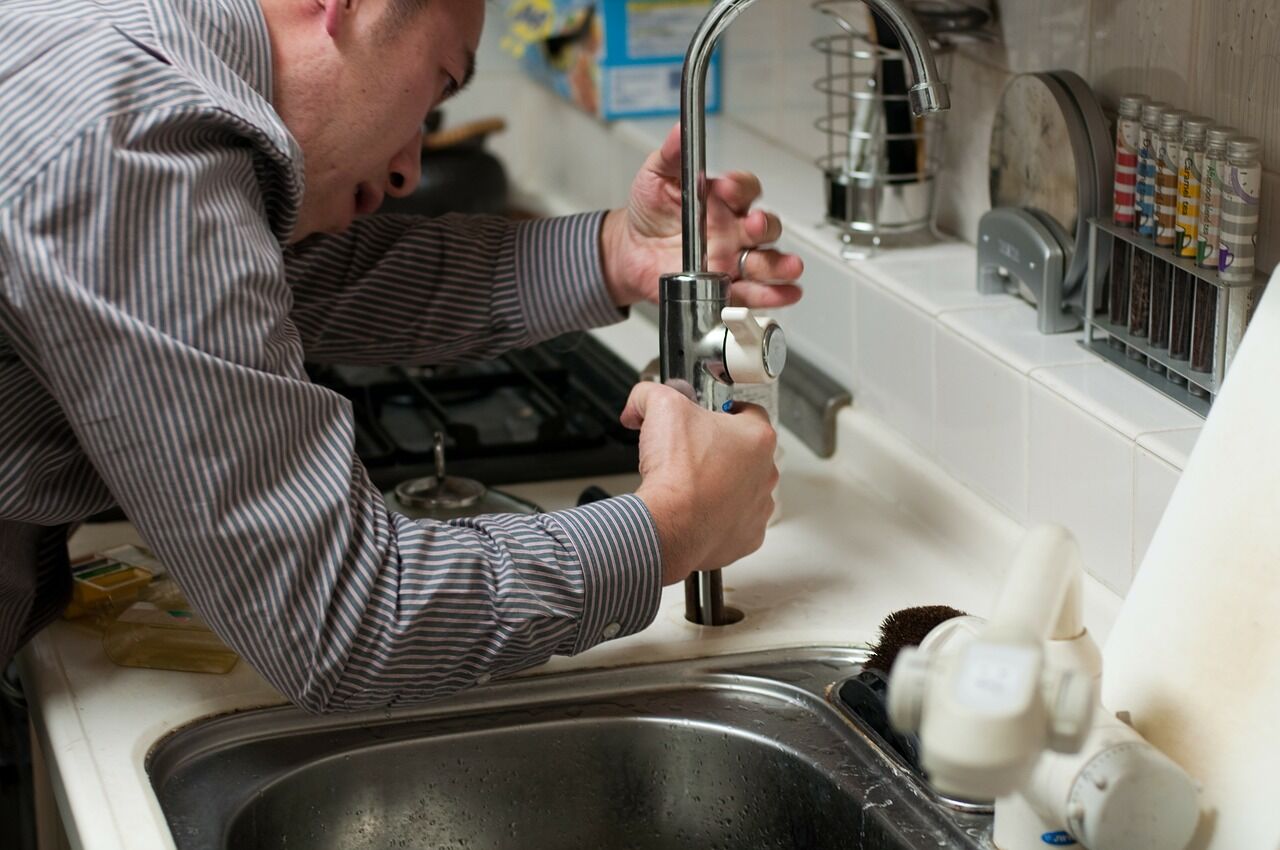
I almost didn’t publish this, but I can’t let the article go without the real reason to update your plumbing – because your wife said to….
Old homes often come with lots of little problems that need to be fixed before they become larger issues. Some of the most common items that need to be repaired or replaced are your plumbing fixtures. Taking care of them early is the best way to protect your home against water damage and other problems. Here are some of the signs you need new plumbing:
Screeching Noises
Older fixtures or plumbing pipes will often make a screeching noise when you turn them on or off. This could be a sign that it’s time to have them replaced before they have a chance to spring a leak. Look into using a bathroom plumber if you notice this noise emanating from your bathroom fixtures. It’s better to have it looked at before it can result in water damage to your home.
Corroded or Broken Pieces
Your fixtures should be in relatively good shape. When you think about it, water is running through them. You don’t want to risk having a blowout that could cost you hundreds or thousands of dollars to repair. Replace them now as a part of your preventive maintenance plan. It will save you money in the long run.
Water Seepage
Faucets and toilets shouldn’t be leaking water around either the base of the faucet or underneath them. This could be caused by a corroded seal inside the fixture itself or some other problem. One option is to replace the seal or the other option is to replace the whole fixture. Your skill level may determine the best course of action for you in tackling this issue.
Age of the Fixture
Fixtures are only designed to last for so long. The interior parts will start to wear out over time. Piping in your walls also have a similar shelf life that will need to be taken into consideration. It’s a good idea to be aware of the type and the age of the pipes that your home contains. This could help you to stay on top on the maintenance instead of the other way around.
Getting ahead of your plumbing issues is the best way to keep your home in good working order. You don’t want to have to be mopping up a water leak just because you ignored the warning signs of an impending plumbing problem. Consult with an expert if you’re concerned that the plumbing system in your home isn’t up to par.
As a homeowner, you have ultimate control over how the lighting in your home serves you. You may be dealing with the limited lighting that was originally installed in your home. Alternatively, you may have adapted the living space to accommodate your task preferences.
Perhaps you have deep eaves, low ceilings, too few windows. You may even be in a wooded area with lots of trees and bushes that imped the natural light.
For these and a variety of other issues that make your house seem dark, here are simple ways to improve the lighting in your home:
Evaluate Your Windows
According to Unique Home Solutions, available light is now one of the most popular aspects in deciding on buying a home. If you are fortunate to have a home that has most of your windows facing southward, you are in luck. If your home is situated in such a way that few windows are getting the most available natural light, you have some options.
Take stock of your window treatments. Where you have dark window coverings, it may be time to redecorate. This can include the wall colors in any rooms that are particularly dark. Painting the ceiling a lighter color than the walls will also create the illusion of height and space. Reflective paint such as gloss finish as opposed to matte will reflect more light. Hanging or installing mirrors where light comes in multiplies the effect.
Where you have bushes or trees that block the light, you can do some trimming to let more light through the glass. Where doors are solid wood, you may want to consider changing them out for a style that incorporates glass. This gives both a change in atmosphere as well as lets more light into the home. You may also consider adding new windows. A kitchen that happens to fit a corner of the house but only has the main window in front of the sink may do well to have another window added to match the existing architecture. Corner windows not only bring in more light, but they open up the space giving the impression that it is larger.
Task Lighting and Ambient Lighting
Our desired tasks can change without our recognizing the need to change the task lighting with it. You should have at least three sources of light for every room consisting of:
General lighting – your overhead or pendant lights
Specific lighting – task lighting or table lamps
Ambient lighting – for more decorative or atmospheric purposes
Take a look at what kind of lighting you have in your rooms and consider making some changes. You can add an oversized overhead pendant light or a large sculptural floor lamp that can serve as a focal point. Instead of recessed lighting, how about bouncing the light off the ceiling? This is a way to brighten a room without creating shadows that typically come from downward facing lights.
You can also direct light toward the walls using floor lamps with upward-facing globes. Adding some millwork to the walls behind which you can place linear fluorescent lights allows you to layer the lighting better.
Your lampshades may need to be altered. Lighter colors can either create a cold tone or tint the light to create a warmer, creamier or cooler hue depending on what you choose. You may also work on lighting the darker corners of your home such as closets, under cupboards, in shelves and on counter tops. All these areas take on a beauty and even become more functional when lit properly.
Windowless Areas
If you really want to make some structural changes, you might consider removing walls between rooms to create a more open floor plan. You can widen doorways or where doors separate rooms, you can replace the solid doors with glass-paned ones for a sense of flow while maintaining some privacy if you need to close them for quieter conditions. In hallways or in rooms with no windows, there are tubular daylight devices (TDDs) or skylights that can be added to introduce natural light. These elements can be a real game changer when it comes to increasing the natural light in these spaces.
Compare the difference between the open space that is cut out of the roof to accomplish either of these choices. Sometimes, homeowners prefer the TDDs as they only open a circular hole to receive the reflective tubing whereas the skylight opens a window-sized space that must be carefully installed to prevent leaking.
In deciding what to do to improve your lighting, start by evaluating the present limitations. Think outside the box and consider some of these suggestions that you might not have thought of before. The choice to open up the space for more natural light is a greener option that saves on utilities, but there are plenty of lamp lights available now that also help to conserve your energy use while keeping your house cool. The possibilities are endless when it comes to enhancing your home’s interior lighting.
If you find yourself hearing noises in your attic, you may have some unwanted guests. Don’t ignore the signs. Hearing thumping or scratching noises especially at night is a surefire sign that you have animals or even squirrels in your attic.
Also, if you keep finding your trash can overturned and waste in your yard, this can be an indication that something is thinking about or currently taking up residence in your home. Acting early is important.
Animals like raccoons and squirrels living in your attic can quickly cause severe damage. They are notorious for destroying wiring, pipes and air ducts. You will need to seek the help of a professional to rid your house of these rodents and animals and seek the help of a professional cleaning crew. These types of animals carry diseases that are harmful both to humans and their pets. Here are some ways you can keep your attic rodent free.
Secure your Chimney
This is one of the easiest ways for rodents to get into your house and make there way into your walls or attic. Before taking any steps to block this entrance, you must first make sure there are no animals currently taking up residence in your chimney.
You can check it out yourself or ask for the help of a professional. You can use a chimney cap or vent, to make this inaccessible to animals. The cap will allow smoke to escape your chimney still but will block any unwanted guests.
Check your Roof
Check for any holes or damage to your roof. Missing shingles, gaps around vents or damage to flashing can be an indication that something is trying to get in or is already in. If you have any holes or damage, you must fix them as soon as possible.
Pay particular attention to pipe vents because they can dig around those and squeeze their way into your attic. The professional you have come out can advise you of potential work that needs to be done and additional preventative measures such as vent covers and reinforcements.
Trees and Bushes
Step back and check if you are making it easy for rodents and other animals to gain access to your roof. Do the trees in your yard have branches that touch your roof or are close? If so, these should be trimmed back, so they don’t provide a walkway to your house. Remember, a squirrel can jump pretty far, up to 20 feet in some cases. Keep this in mind when you are planting and pruning around your yard.
Yard
Keep your yard clean an uninviting to rodents and critters. Make sure when you take your trash out it is secure. Never leave bags loose on the sidewalk for pickup, this will attract animals and they will think this is an excellent area to source food and then begin to look for and make a shelter. You can also have a huge mess on your hands.
Make sure your trash cans lids are nice and secure and can’t be easily tipped over. You will also need to watch leaving pet food for dogs, cats or birds out all night. Raccoons especially hunt for this type of easy food at night.
If you are worried that you are at risk for having a rodent or animal problem in your attic or home, you can always call out a pest control specialist.
Most companies will send out an expert that can walk your property with you and inspect your roof and attic to look for weak areas. They are trained to look for spots that we usually wouldn’t see that can easily be covered or plugged.
Conclusions
The bottom line is, it is more cost effective to act now. If you wait until you hear noises in your attic or see other signs, there may already be severe damage that can be expensive to fix. If you do find yourself in this situation, call your homeowners insurance and let them know right away.
They can begin a claims process with you to help alleviate the costs of repairs. Most insurance companies will cover any damages to your roof or home, along with costs to repair or plug holes. While they won’t take care of personal items that are damaged in your attic, they will cover the costs to fix any electrical or plumbing work you may encounter. Taking preventive measures before this happens is the most straightforward path to take.
Tree houses were all about a quick assembly of a simple little house where the kid could play with a bunch of friends and lead imaginary life. Today, tree houses are more of a complex building that includes certain luxuries unknown to the previous generations. Even so, this type of tree house building has a lot of benefits for the kids – a mutual work between the parents and the kids will bring out a lot of fun and educational experience.
The benefits of building a tree house
Building a modern tree house with your kids will take a couple of days, maybe more, but every step of the process will bring a teachable moment for the kids.
Physical activity – kids won’t even notice how hard they work while they are helping you build the tree house. This helps them be highly physically active, strengthening them and making them fit. It is an easier form of getting them active than forcing them to do regular exercises or a sport they don’t enjoy. Obesity is a frequent issue with kids of newer generations, and an outdoor project is what will entertain them and help them fight it.
Teamwork and problem-solving – the motto here is: the more, the merrier. Including the whole family will create team spirit and strengthen the bond between you. You will have a mutual goal you are aspiring to. And let’s not forget the problem-solving skills your kids will improve. Starting from calculating the size of the walls, the exterior look, the materials that have to be used and even the budget you need to stick to – your kids can be included in every step of the process, making their contribution, realizing what the limits are and how to overcome certain challenges. And all of that being done with close members of the family, figuring out the problems together.
Connecting with nature – spending too much time indoors separates children with natural processes around them, like changing seasons, leaves falling off, blooming of the flowers and lives of small animals around them. Building a tree house will expose your kids to the natural environment, and every day they spend outside working on the tree house (and later on, in the tree house that’s been completed) will show them what happens in the world around them, creating a strong connection with the living things in their backyard.
Sensitivity to risk – while building a tree house, there are certain things that can go wrong and endanger your kids’ safety, so it’s highly important to teach the kids about the necessity of taking precautions to avoid any injuries. Children learn from what they see, so make sure you are the role model demonstrating a cautious approach to work in order to protect yourself and others. It will prepare your kids for the potential risks in the future – they will learn to think in advance about possible dangers and they will know how to protect themselves.
Necessary tools for the construction
You don’t need a workshop to build a tree house, but here’s a list of the necessary equipment that will ensure quicker work, too.
Firstly, it’s important to note that angles and measurements stay accurate, so this is the part where your kids can help – but always double-check everything before you actually start cutting. A circular saw will save you a lot of time and effort here.
Next, as you will have to cut beams, studs and joists at a precise 90° so that they are connected firmly, a speed square is another useful tool for the precision.
A cordless and a corded drill are the next necessity, depending on the size of the hole you will need to drill.
Folding sawhorses are very stable even though they are really light. You can use them for cutting beams or to support a table with tools and smaller parts.
The safety gear you will need includes safety glasses to protect eyes from the dust and debris, cut-resistant gloves with a good grip. Earplugs to prevent hearing loss from loud noises, those power tools are sometimes just too noisy. And of course a pair of Australian work boots that provide protection and stability when doing any kind of handiwork around your house.
The most important parts
Supports is what you need to first decide on, and they include:
Posts – as they are inserted into the ground, they damage the tree the least.
Bolts – even though this is the traditional method, beams and platforms being inserted into the tree, this is very damaging to the tree.
Suspension – chains and ropes are what you use to suspend the house from bigger branches, but it isn’t appropriate for heavier constructions.
The platform and deck are the parts that need to be leveled and built as close to the trunk as possible, which could mean you will have to cut some holes if some branches get in the way. The deck should include railing so that no one falls off.
The access to the tree house – if the tree house is lower to the ground, it will be enough to put a rope ladder or the wooden one. But if the structure is high in the tree, a long wooden ladder with a handrail would be a better choice. If your kids enjoy adventures, you could even consider building a spiral ladder around the trunk.
Final words
Once you know the basic elements you need to have and to plan, they only thing left to do is to get on to work together, enjoy the learning process and everything that comes after it.
Did you know most HVAC service calls are related to some type of leak? A leak in your heating and cooling system can reduce the efficiency of your system, increase your energy costs, cause premature wear and tear to the HVAC system, and even damage your home.
We’ve compiled here information on three common leaks you should watch for to keep your system in good working order.
1. HVAC System Leaking Water
Do you notice water pooling inside your air conditioner? Do you have water leaking out of the system when it’s turned on? Leaks are common with central AC systems and they may be caused by many problems. If ignored, these leaks can cause serious damage to your home. If you have an air handler above your ceiling, for example, the water can drip and damage the structural integrity of your home.
There are 3 primary reasons for an air conditioner to leak:
Clogged air filter. Your air filter should be changed every 1-2 months. When the air filter looks dirty, replace it right away. A dirty air filter can make ice buildup on the AC’s evaporator coils. When this ice melts, it will leak water.
Crack in the overflow pan. You can tell if this is the problem by inspecting your overflow pan for problems with a flashlight. This pan is designed to catch condensation from your air conditioner, but it can develop small cracks and tiny holes, especially along the edges and corners.
Clogged drain lines. Drain lines divert condensate away from the air conditioner, but these lines are prone to clogging. When this happens, the water backs up and begins to flood the pan. You can use a hand pump or a wet/dry vacuum to suck clogs out of the line. Your drain line should also be cleaned regularly, before you develop clogs, to prevent a build-up of mildew, algae, and sludge.
2. Air Duct Leaks
Not all leaks involve liquids; leaks in your home’s ductwork can cause you to lose heated or conditioned air. Ducts are responsible for transporting cooled and heated air from your HVAC system to other areas of your home. If there’s a hole or gap in the duct work, it allows the air to escape.
Leaky ductwork can result in up to 30% in energy losses. Because the heated or conditioned air is escaping through leaks, your HVAC system has to run longer to reach your thermostat setting.
Leaking ductwork can also cause unnecessary wear and tear on your air conditioner or furnace. When your system runs longer than necessary, it can strain components and accelerate wear. This can lead to more frequent HVAC repairs. Air duct leaks can even reduce your indoor air quality by allowing the ducts to pull in dirt, dust, and other contaminants in the crawl space and attic.
The good news is air duct leaks are easy to address. Sealing your air ducts with metal tape and insulating ducts that can be accessed can dramatically reduce energy loss and save you a significant amount on your heating and cooling costs.
3. Air Conditioner Refrigerant Leaks
Refrigerant is what your AC system uses inside its coils to remove heat from the air. The correct amount of refrigerant is added when an HVAC system is installed and the refrigerant is never used up. As long as the system remains sealed, the refrigerant will stay in the coils.
Older systems are prone to developing refrigerant leaks, however. When your coils develop cracks or hole, the refrigerant can escape. This forces your air conditioner to work harder and become less efficient. You may have a refrigerant leak if your AC is not cooling your home very well even though air flow and the fans seem to be working normally. Over time, this problem will get worse.
Never ignore a refrigerant leak. Along with preventing your AC system from cooling your home, it can also damage your air conditioner. When refrigerant levels get low, your AC will compensate by running longer. This increases pressure in the system and may damage components like the compressor.
The longer your AC runs, the more energy it will use. A 10% drop in your refrigerant level can force your AC system to use up to 20% more energy.
Conclusion
If you’re like many people, you don’t think of your HVAC first when you consider water damage and leaks in your home. It may be time to change your thinking. A leaking HVAC system can end up costing you thousands when it comes to water damage, higher energy costs, and HVAC repairs. Preventive maintenance is the best way to keep these costs at bay.





 As a homeowner, you have ultimate control over how the lighting in your home serves you. You may be dealing with the limited lighting that was originally installed in your home. Alternatively, you may have adapted the living space to accommodate your task preferences.

 If you find yourself hearing noises in your attic, you may have some unwanted guests. Don’t ignore the signs. Hearing thumping or scratching noises especially at night is a surefire sign that you have animals or even

 Tree houses were all about a quick assembly of a simple little house where the kid could play with a bunch of friends and lead imaginary life. Today, tree houses are more of a complex building that includes certain luxuries unknown to the previous generations. Even so, this type of tree house building has a lot of benefits for the kids – a mutual work between the parents and the kids will bring out a lot of fun and educational experience.

 Did you know most HVAC service calls are related to some type of leak? A leak in your heating and cooling system can reduce the efficiency of your system, increase your energy costs, cause premature wear and tear to the HVAC system, and even damage your home.