
Raccoon Trapping

Raccoon Trapping Tips

Raccoon Trapping Tips
Buy at Amazon

Raccoons are common all over the United States. Although they have an adorable face and are fun to watch at times, they will cause havoc in your shed or attic and knock your garbage can on its side. They’ll even steal your bird seed and dog food, and because of rabies can pose a safety risk to your family and pets. If thieving trash pandas are giving you a hard time, you’ll be glad to know one of the best ways to get rid of them is through trapping. Here are some tips to help you through it.

Choose the Right Trap

Many people get upset when they fail at raccoon trapping, but don’t realize the problem is that the cage they choose was too small or not designed to catch the little bandits. To give yourself a fighting chance, you need a sturdy, metal cage that is big enough to hold a raccoon. The most common metal cage used for trapping is at least 32” long and 12” x 10” wide and tall.

Place Trap Strategically

Raccoon Trapping
Raccoon Trapping Tips

If you want to catch a raccoon in a trap, you have to place the cage in a strategic location. The crafty nocturnal creatures are very clever, which means you have to be too, if you want to trap them.

To do this, you’ll need to put a trap in an area that you know raccoons are visiting. However, you can’t just drop a cage and think you’re going to get a mammal in it. Instead, you have to place the trap in an area without making it look suspicious. For best results, place the cage in a frequently populated area, but place it a few feet away from where you’ve actually seen the raccoons. Usually just a few feet off the beaten path should do the trick.

It’s worth mentioning you shouldn’t put the cage near anything you don’t want a raccoon to destroy. You also need to make sure the cage is in a shaded area, so it won’t be roasting in the sun.

Prepare the Area Around the Cage

After you’ve decided where you’re going to put the raccoon trap, it’s time to prepare the area around the cage. Remember earlier when we said you can’t just drop a trap in the woods and hope for the best. Well this has to do with the intelligence of raccoons. So after you’ve chosen the right location, you have to spend a few minutes preparing the area so it looks as it should and nothing sticks out.

When everything looks good move the cage to the side and dig a hole for the trap’s pan. Add a lure to the hole if you want to increase your chances of snagging a ‘coon. If you’re going to use a lure, there aren’t enough good things to be said about skunk essence. It works like a charm. If you don’t use a skunk lure think about adding white bread, sardines, or marshmallows. Raccoons love marshmallows.

After you’ve dug the hole and used a lure if you want, it’s time to set the cage back in place. Don’t cover the hole completely with dirt, or you’ll risk decreasing the effects of the lure. But do make sure to toss dirt all around the cage and use any brush nearby to cover the cage. Usually, it’s necessary to cover the back, top, and both sides of the cage with brush

Make sure you’re happy with the way the cage looks before you leave. Make any adjustments needed and then mark the area, so you don’t have to remember exactly where you left the cage. One good way to mark a trap is to tie tape around a tree or branch about 3’ feet away from the cage. Make sure to tie the tape off about 6’ high, so it’s at eye level when you’re walking towards it.

Conclusion

While raccoon trapping can be difficult, it is a great alternative to using weapons to kill the animals if they are being a nuisance or pose a health risk. But, if you do choose to trap raccoons, you must be aware of trapping laws in your state. Make sure you have a furtaker’s license, if needed, and check the traps every 24 hours.

Because trapping raccoons and other small animals takes patience and persistence, you might need to adjust your techniques to catch the mammal. Good Luck and Be Safe.
Wilderness survival

The Importance of Wilderness Survival Skills

The Importance of Wilderness Survival Skills
Buy at Amazon

Wilderness survival can be one of the most challenging adventures of a lifetime. Being in the wild and with nature can be a profound experience.
However, things in the wilderness may not be just about sightseeing, exploration and fun. If one desires to venture the wild and to keep alive staying there, he should know wilderness survival skills.

Get Trained:

To learn the basic wilderness survival skills, one should enroll in a survival skill program offered by a survival school. Participating in survival training seminar could also be an option. Various schools and institutions may have their own survival programs. Nevertheless, the programs offered may integrate the basic survival skills.
Survival schools may give instructions on aboriginal survival skills. One can check out survival schools or survival programs in local community or schools. It is also possible to learn the wilderness survival skills by reading survival articles on some websites and practicing them in local wilderness areas.

Wilderness survivalOne should know the how to, where to, and what to in when it comes to wilderness survival skills. When staying in the wild, it is all about survival. Tending for the personal needs is of the utmost concern. Self-defense may also have to be learned as the dangers in the wild will likely be numerous and unexpected. Optimism is the best attitude that can be employed in addition to courage, faith and hope. There are various things that should be considered when having a trek or staying in the wilderness.

Skill is Important

The importance of wilderness survival training is that individuals will have a greater chance to stay alive in harsh conditions thanks to first-hand experience with the necessary techniques. By participating in a wilderness survival course, individuals may realize the importance of life in a more traditional way while learning first hand from an expert. Individuals may also have a better insight on what to do in the event a survival situation may come unexpectedly.

Learning the necessary skills that can be applied in the wilderness is perhaps one of the great academic achievements in life. Although most people tend to avoid dangers as much as possible by living in an environment where they think they are safe, people should also comprehend those things in life, particularly those that are extremely challenging, demand physical and mental competence. Involving oneself in wilderness survival program can help him overcome the various challenges in life.

Practice Skills

One can develop or nurture his abilities physically and mentally when his focus is all about survival.

Before you begin your trip into the wilderness, there are some basic skills you must learn. There are four basic needs that must be met to survive. Warmth, water, sleep and food must be provided for wilderness survival.

It can be very challenging to maintain body warmth at night in some areas.

The human body has a very narrow temperature range. You must maintain your temperature in that range for survival.
Water makes up the majority of the human body. Although you can survive for a day or two without water, you should not wait until you are out of water before you start looking.

A lack of sleep can greatly affect your cognitive ability. You may experience hallucinations and be unable to make a rational decision as to your wilderness survival.
Humans can go without food for a couple of weeks. Food may not be your first priority, but considering that you are using many calories on your trek, you will need an adequate amount of emergency food supply to maintain your stability.

Summary

Wilderness survival requires a great deal of preparedness. You need to prepare for the worst case scenario and hope it doesn’t happen. Be sure you have the right gear with you. Learn what would be the proper equipment for your trip. Your requirements for a week long backpacking trip will vary greatly from a day trip on the trails. Never go out on a trip without letting someone know where you are going. They need to know your route, your destination and the expected return time. There are services that will call family and/or friends if you do not return on schedule or within a reasonable time frame.

  • Dave’s Note: To me I think adaptability and mindset are high on the list – right after air.  To illustrate that point, I have a link to an interesting article on the multiple uses of tampons (don’t worry plugging gunshot wounds is not on the list – that has been discredited)

7 Must Have Items for Wilderness Survival

7 Must Have Items for Wilderness Survival
Buy at Amazon

If you are going out into the wilderness, you should make sure you are going well prepared with the right items for survival. Sure, no one wants or expects to get into a life threatening situation.  However, in the wilderness, anything can happen at any time. In this article, we have complied 7 must have items for wilderness survival; let’s get started!

A Survival Knife

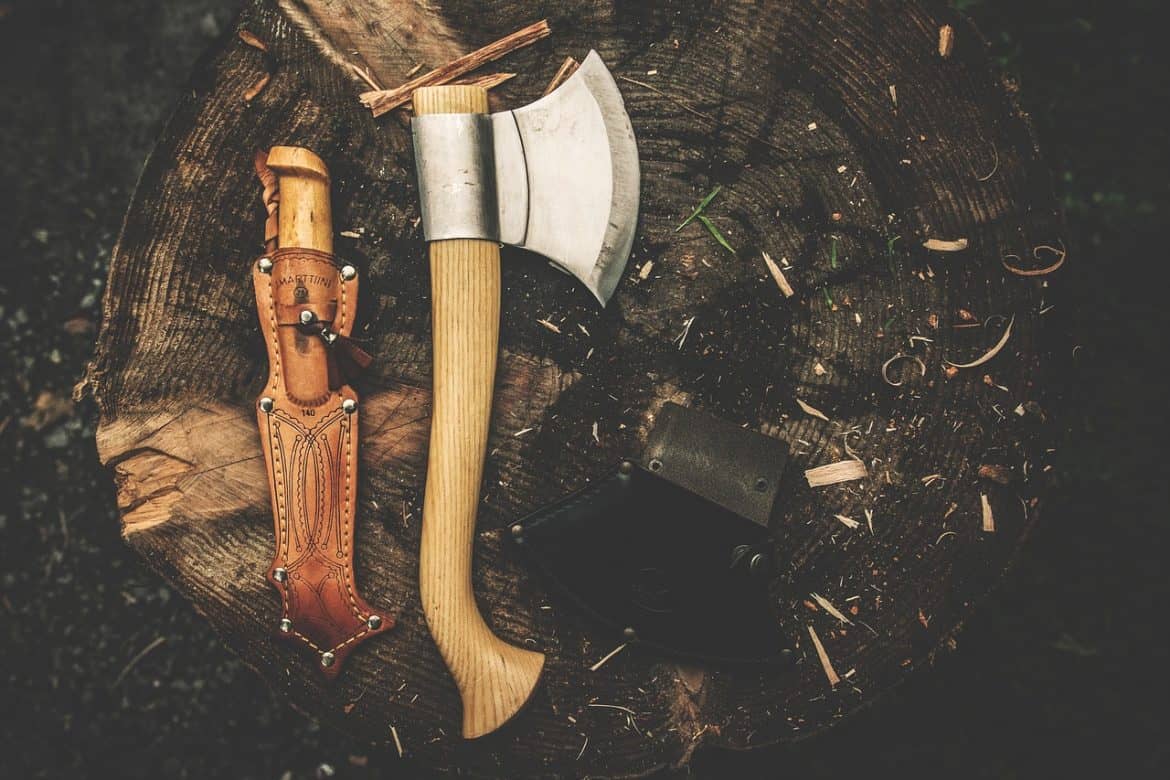
The number one must have item is a survival knife. It has many uses in everyday activities.  In case you happen to find yourself in a dire situation, your chances of surviving are increased if you have a knife.

Look for a sturdy and reliable survival knife which you can keep on your person. Consider getting a knife which has 4-5 inch carbon steel blade and flattened back edge. This type of knife can easily split kindling, skin an animal, filet a fish, and even cut through the forest and the vegetation.

The knife can also be used to; create weapons, open packages, create fire starters (like bowing a drill), build an emergency shelter (by cutting branches or cutting tarp), cut clothing for bandages (in case you do not have the first aid kit), and so much more. Keep in mind, your choice of knife is crucial to your survival.

A Heat Source

A means of making fire is essential when you’re out in the wilderness. Your survival may completely be dependent on whether you’ve the capability of creating a fire.

Match boxes are a great source of heat because they are an easy and quick way of starting a fire, keeping warm, finding way through the darkness, making emergency smoke signals, burning parasites like ticks, among many other uses. However, they can easily get ruined if it rains.

Therefore, it is wise to keep a water tight lighter available. Also within this realm, you might want to make sure to bring a good tactical flashlight. This will help for situations you might run into at night.

A Map and Compass

Although modern technology has brought about many changes in this area, when going out into the wilderness, you should always bring with you a map of that area and a compass. This is particularly important in case the area has poor cell coverage, or in case you experience technological glitches, or even accidentally damage your phone. A map and a compass might be the only tools that can lead you to a safe location. Learn how to read a map and navigate with the compass.

Some Sort of Shelter

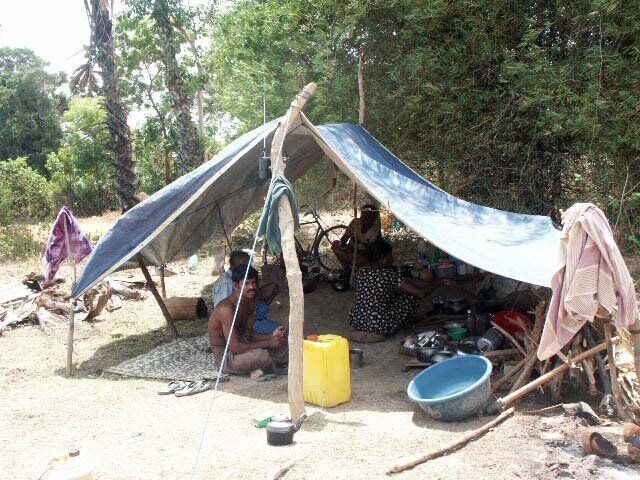
Wilderness survivalAnytime you happen to enter the wilderness, you should carry with you a cover for unexpected overnight stay. A cover is something you should always bring with you even if you are just planning on a quick afternoon hike.

Having a cover which you can easily pull out and erect a shelter will help protect you from the rain, cold, animals, among others. Even a simple tarp which you can throw over the branches is enough. You should also consider bringing warm covering for your body.

Depending on where you get stranded, keeping warm might proof to be difficult, but it’s essential for survival. Make sure you bring warm, insulating clothing.

Cordage Rope

While it is possible to make ropes out of the plant materials, you do not want to waste valuable time with such unnecessary tasks. Bringing with you a strong rope can be of great help when it comes to making shelter, setting traps, or even climbing terrain.

A rope can also come in handy when you need to escape, or when you need to climb out of a potentially dangerous situation. Paracord will work great for this, and it doesn’t add too much weight.

Stainless Steel Water Container

You will most certainly need water when you are out in the wilderness. That being so, the type of water container you carry the water with can make all the difference. The ideal type of container to use is a stainless steel water container.

It’s not only durable, but it can also be put over the fire to melt snow or boil water, making it safe for drinking. Take a stainless steel water container which is sturdy enough and big enough to carry enough water for long treks.

First Aid Kit

When going out into the wilderness, you should carry a first aid kit with you at all times. It’s an essential item which should never be left in the car or at home. Make sure the kit has the basic first aid items like bandages, band aids, sterile gauze, tape, burn creams, ointments, scissors, soap, personal medications, among such other items.

It’s super important to make sure you’re as prepared as possible for the situation you’re putting yourself in. You don’t need to have everything you might need for any situation, because you have to keep in mind you have to carry all of it, but make sure you have the essentials.


How to Make a DIY Toilet Paper Holder for Camping

How to Make a DIY Toilet Paper Holder for Camping

How to Make a DIY Toilet Paper Holder for Camping
Buy at Amazon

If you want a more watertight Toilet Paper Holder holder than the one we showed you a few months ago, I have a more complex version.

This version uses a 2-liter soda bottle, some string, tape and a ziplock bag.

How to Make a Toilet Paper Holder

  • Cut the bottle in half, ensuring that the end with the spout is deep enough to hold your roll.
  • Split the bottom of a heavy duty freezer bag and place the split end over and around the cut end of your bottle.
  • Duct tape the bag to the bottle. – This should make an opening on either end – the bottle spout on one, and the bag ziplock on the other.
  • Poke a hole in the center of the bottle top and thread a string through it, knot it on the inside so it will not pull out. Attach the other end of the string to the neck of the bottle.
  • In the center of the ziplock zipper, and outside of the actual bag, strengthen both sides with a piece of tape folded over. Do each side individually so that the zipper is not taped together.
  • Poke a hole through the tape and the bag. Thread a length of string through the two holes – this is your hanging string.

To use

  • Pull out one end of the paper from the center of the roll
  • Remove the center from a roll of toilet paper.
  • Open the ziplock end of the holder and drop in the toilet paper, pulled end down
  • Fish the pulled out TP through the neck of the bottle
  • Hang near your latrine area, and pull TP out as required.
  • Screw lid on when done to keep anything from nesting in your holder.
  • Wash hands and go enjoy the woods…

How to Tie a Square Knot

How to Tie a Square Knot (AKA Reef Knot)

Knots: Reef Knot (AKA Square Knot)
Buy at Amazon

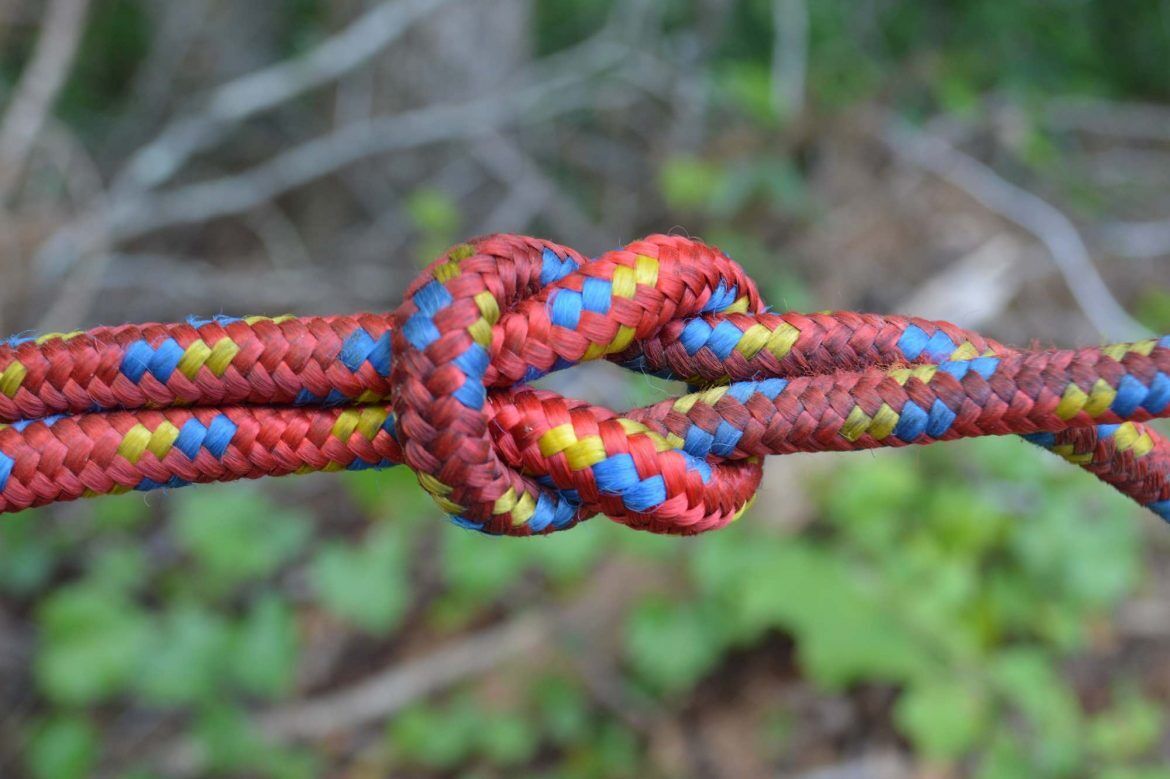
The Square Knot is one of the most well known knots. It is easy to tie and is useful for low strain ties.

While most people call this knot a square knot, in actuality the knot is names the reef knot.

The knot is popular among sailors, climbers, and gift wrappers for its convenience and ease of tying.

It is one of the simplest knots available, yet the square knot proves strong enough for most applications.

Easy to Tie and Untie

What I like best about it is, that if you grab one rope ends that are not under strain, and pull it back toward the knot, a properly tied square knot will untie itself.

Unfortunately, this makes it unreliable for climbing.

Reef Knot
Reef Knot

Tying the Reef Knot:

  1. Take two ropes and lay the right-hand rope over the other.
  2. Wrap the right-hand rope under the left-hand rope.
  3. Bring the right-hand rope back over the left-hand rope.
  4. Next, pull the original right-hand rope over the other rope.
  5. Pull the original right-hand rope under the other rope.
  6. Finally, pull on both ends firmly to tighten.