I need a Wireless Outdoor Security Camera because I have thief issues at my land. A fence was build as a deterrent, but my Dad refuses to use it because he thinks he doesn’t need it when he is there. (But he believes his backpack blower was stolen while he was sleeping in the shipping container)
I was looking for a wireless outdoor camera with IR capabilities when I was offered the opportunity to review this one. Naturally I agreed.
The camera is pretty simple. It comes with a short cat5 cable to plug into your router, mounting hardware, and a longer 115v wall wart.
Camera voltage is listed as 12v at 1.0 amps, so I think I can easily adapt it to run off of solar. Even thought the manufacturer says not to modify the device.
The camera was much clearer than I expected, and the wireless function to my phone worked much faster and cleaner than other wireless cameras I have used in the past.
After playing with it I only have a few dislikes.
The instruction manual and app are for two different cameras which makes it confusing in the beginning.
I can’t find the listed SD card slot so I can record. I believe the best deterrent for thievery is best done when the video of his theft is played in court. If he is in jail he can’t steal from you. (I learned later that you have to take the camera apart to insert a SD Card. I have a how to video of that process.
My biggest issue is that the instructions say that once the camera is initialized with the router you can disconnect it and run the camera feed directly to your phone over WiFi. I have found that this is not the case even though the phone says it is happening, as soon as I disconnect the camera from the router the camera goes off line.
My issues keep me from hooking the camera where I want it, but not from using it. All in all I think it is a good camera, but I can’t get over the last two issues.
I did get this camera at a reduced price in exchange for an honest review. #Homesecurity
I like to do this in winter every year since there are times we can be iced in.
I had the toughest time picking which flashlight I wanted to put into my bug out bag this year though!
There are so many great flashlights to pick from and as I was thinking about it I realized that it’d be a good idea to write about what to look for in a bugout flashlight.
So, let’s start with the basics. For those who may not know, a bug out bag is usually a portable emergency kit filled with items that help you survive for 48 – 72 hours.
Of course, everyone’s bug out bag (BOB) is different and tailored to their wants and needs, but there are some essentials that should absolutely be packed such as first aid materials, a water filter, a multi-tool, and a flashlight, to name a few.
The same idea goes for picking out a flashlight for your BOB, it depends on preference but there are some essential features you want to keep in mind and that’s what I’ll be focusing on.
Best Lightweight Flashlight
A common problem with BOB is the weight of the pack. If you over-stuff it you risk it ripping or being too heavy to carry throughout the day. To help with this issue, you want to find an easy-to-carry lightweight flashlight. One that isn’t so big that it takes up a significant amount of your bag.
Multiple Brightness Modes
I can’t stress enough how important it is to have an LED flashlight with multiple brightness modes, especially with a survival flashlight. Even in an extreme survival setting, you wouldn’t want to use the highest modes constantly and drain the battery. Battery conservation is key to survival so you want a flashlight that has a variety of brightness modes that you can easily cycle through for different situations. I would also suggest packing a flashlight that has a focused beam and decent spill. The focused beam allows you to see far ahead of you and plan an appropriate path.
Waterproof Flashlight
You want the flashlight to be ready for all kinds of conditions so it’s important to get a high quality, durable flashlight. I suggest packing a flashlight that’s made of aluminum with an anodized finish. With this material the flashlight will work in all kinds of temperatures and can take a beating. You want to make sure that the flashlight you get is impact and water resistant, but preferably waterproof.
Here are the two flashlights that I’m currently choosing between for my BOB:
Klarus XT11S
Buy at Amazon
It may seem like a bulky choice, but I love how tactical the XT11S is. Not to mention that this flashlight is actually quite lightweight for its size. So what makes this flashlight so great for a BOB? First, it has an amazing beam throw in any of the four brightness modes as well as a good spill so you can see around you very well. The run times are really good with this light and will last you a long time especially if you only use the medium and low mode. It also has a battery capacity indicator which I find incredibly helpful. With the indicator I can check to see how much charge the battery has left and plan my usage accordingly.
I also really like the tactical features of this flashlight. The strike bezel may look small, but it can really pack a punch and I like the idea of using the flashlight as a self-defense tool. It has instant turbo and instant strobe which is important in any tactical flashlight. The XT11S has three programmable modes so you can set it to whichever you feel is best for your BOB. Personally, I like the default Tactical Setting so I can get to instant strobe and turbo. However, I think the Outdoor setting is also great with instant turbo, instant low and access to SOS. You can check out my review of the XT11S here.
Felix LD41
Buy at Amazon
The LD41 is a little more straightforward than the XT11S in terms of the user interface. The XT11S has longer runtimes which is definitely something to keep in mind. The LD41 also features a momentary-on function, has four brightness levels, and access to strobe and SOS. The medium and low brightness levels can last for a really long time on this flashlight and with the memory function you can conserve the battery and have the flashlight automatically turn on in the low brightness mode. The beam throw on this flashlight is also really great and it has a good spill so I know I’ll be able to see far in front of me as well as all around me.
The LD41 runs on four AA batteries as opposed to a lithium-ion battery. I love rechargeable batteries, but I think that flashlights that run on AA batteries might make better emergency flashlights. Of course, you could use a power bank to charge the lithium-ion battery, but AA batteries are significantly easier to come by. The LD41 also features a low battery indicator so you know when it’s about time to change the batteries out. You can see my review of the LD41 here.
Wood may grow on trees, but it’s still expensive, especially for fine woodworkers in the market for high-quality lumber.
Knowing how to season and dry your own wood is the answer. This is an expert’s handbook on finding, processing, seasoning, and drying your own wood.
Designed with the independent crafts-person in mind, it focuses on working with small loads. This is an approach neglected in most other books on this subject. There are tips on sources, as well as on how to select and prepare the wood to bring out the most desired grain patterns. A truly unique resource.
I have lots of trees to cut, and a mill to turn them into lumber, but drying them and preparing them for work takes time. Dry wood is necessary for lumber as it is for burning. A future project of mine is a solar kiln to dry wood. I had planned to turn a shipping container into a kiln, but I found I needed them for tool storage more.
Being able to season and dry your own wood to make lumber is vital to affordable homestead building. This book helps that process immeasurably.
In my experience, and your experience may be different, cutting the wood is much simpler than drying is and preparing it for use.
Prepare your child for the unpredictable through 52 prepper projects. Teach them basic outdoors survival skills, first aid, how to create their own “bug-out bag,” and more.
This was a fun book to write, I love trying out DIY Projects, and this time I got to try them out thinking about which ones would be fun and still teach something to my boy.
Some of these projects are age appropriate to little kids, but many are best suited for middle school or older children.
Each project in 52 Prepper’s Projects for Parents and Kids has the reasoning for each project along with a discussion starter at the end of each project.
Its not just about doing something with your children, or even having them do something. The main idea of this book is to teach your kids how to be self reliant and think for themselves.
Unfortunately critical thinking skills and personal responsibility are things that are lacking in out society. This book is meant to help reduce that issue while still being fun and useful.
If you have projects you have done with your kids, even if they aren’t in the book, I would love to hear about them.
I am a big fan of solar lights, and after reviewing a similar product a few weeks ago, I got the opportunity to review this 2-pack of similar LED solar lights.
Compared to the original lights, this product had some changes. This model had a easy to operate on and off switch at the bottom of the light, and it had a adhesive strip to make mounting easier. The Hobbymate version seemed brighter, but to be fair, I haven’t had a lot of sunlight since I installed the lights on the land.
These things work great on off grid locations, I have one at the door to my shipping container, and outside on my utility pole. I also have one with my goats. Places I may need to visit in the dark.
The 50,000 hour led lights are not going to burn out anytime soon, and with a solar panel on top, I don’t have to worry about batteries.
This is a great invention, and I plan on getting several more similar solar light devices as funds become available.
I think these lights would work great on fence posts to set out my land boundaries and illuminate no trespassing signs.



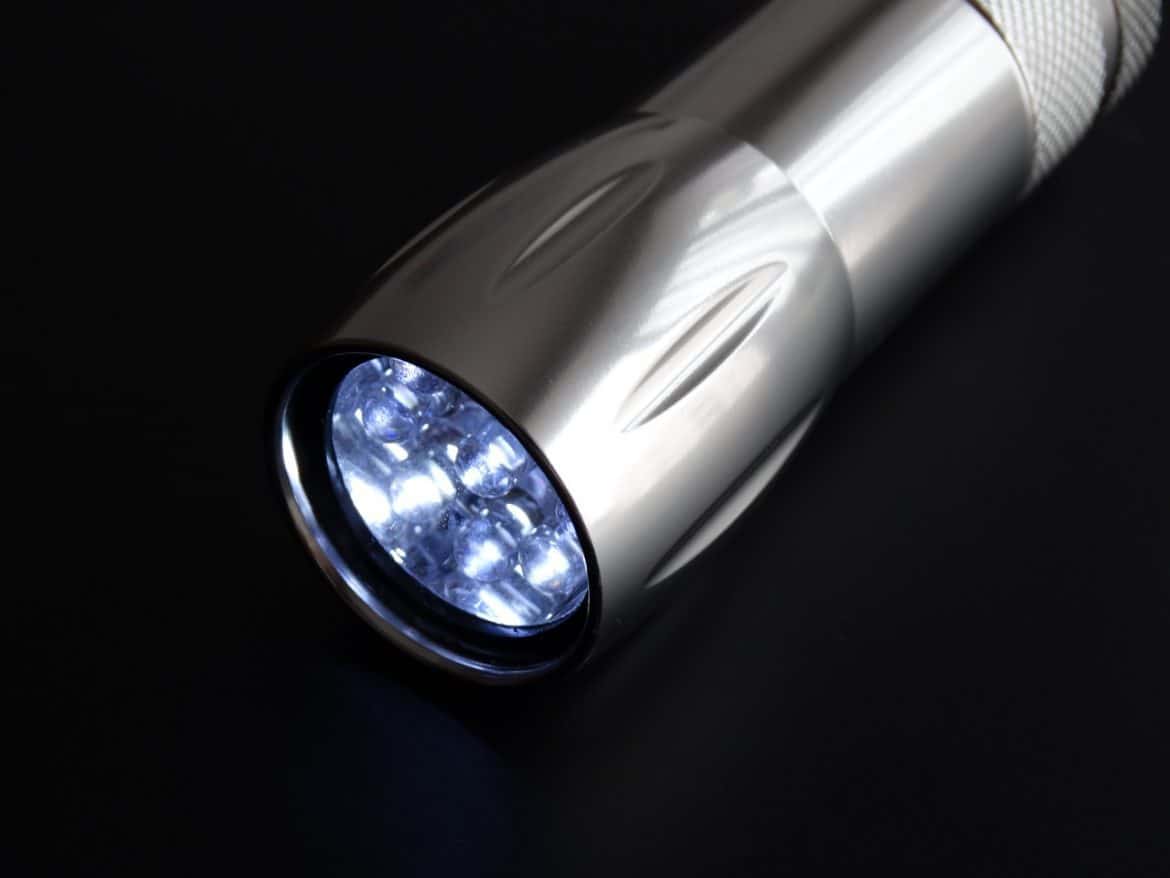

 I was updating my bug out bag this weekend.
 It may seem like a bulky choice, but I love how tactical the XT11S is. Not to mention that this flashlight is actually quite lightweight for its size. So what makes this flashlight so great for a BOB? First, it has an amazing beam throw in any of the four brightness modes as well as a good spill so you can see around you very well. The run times are really good with this light and will last you a long time especially if you only use the medium and low mode. It also has a battery capacity indicator which I find incredibly helpful. With the indicator I can check to see how much charge the battery has left and plan my usage accordingly.
 The LD41 is a little more straightforward than the XT11S in terms of the user interface. The XT11S has longer runtimes which is definitely something to keep in mind. The LD41 also features a momentary-on function, has four brightness levels, and access to strobe and SOS. The medium and low brightness levels can last for a really long time on this flashlight and with the memory function you can conserve the battery and have the flashlight automatically turn on in the low brightness mode. The beam throw on this flashlight is also really great and it has a good spill so I know I’ll be able to see far in front of me as well as all around me.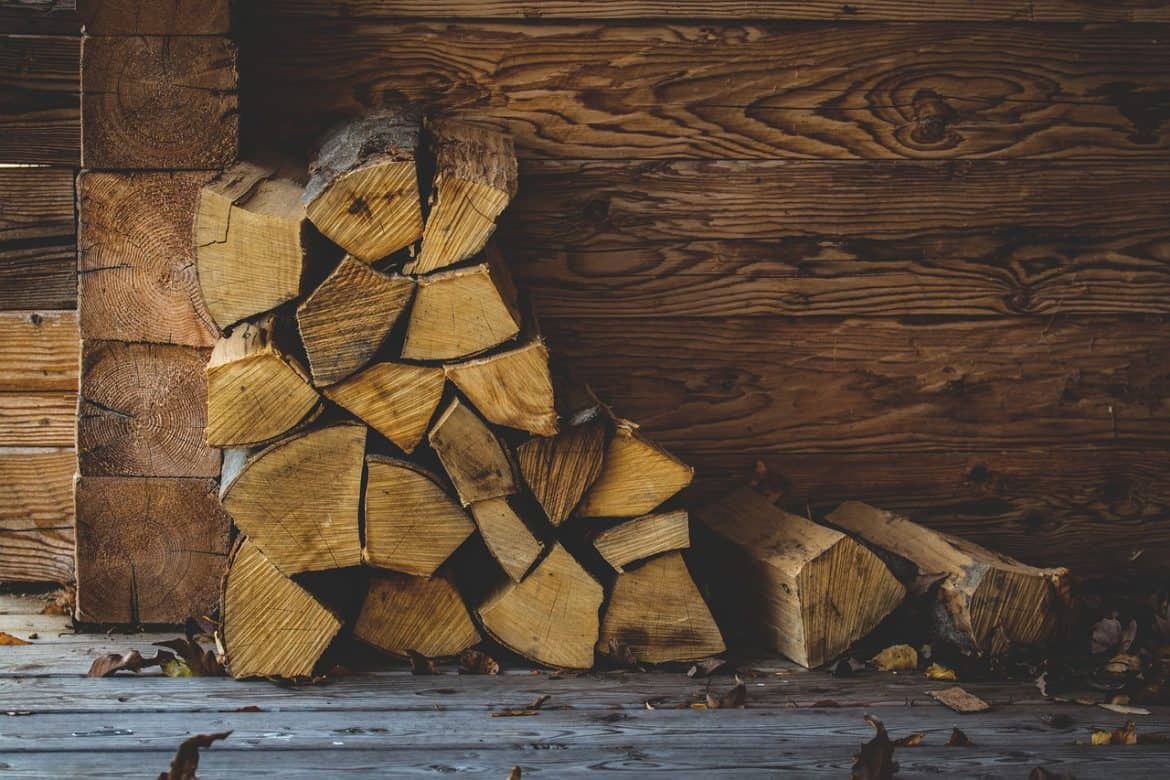

 Wood may grow on trees, but it’s still expensive, especially for fine woodworkers in the market for high-quality lumber.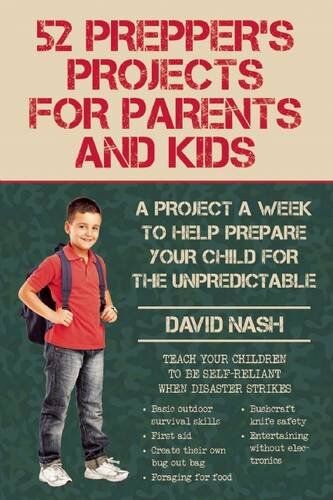

 Prepare your child for the unpredictable through