Tag: outdoor

  • Things You Can Learn from Camping That Will Make You a Better Prepper

    Things You Can Learn from Camping That Will Make You a Better Prepper

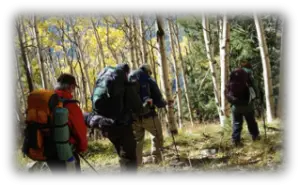
    Their are many things you can learn from camping that will make you better prepares. Nothing can replace the sheer teaching power of the experience. While you can read books upon books about camping and listen to friends that wax poetic about the bond between man and nature, only once you get a chance to test your survival skills in the wild – without electricity, a solid roof over your head, a flushable toilet and running water – will you get a chance to test your survival skills.

    Every experienced camper will tell you that preparation is 60% of survival in the wild, so if you want to face the hardships of the wild head on, here are things you can learn from camping that will make you a better prepper

    The Mechanics of Using Water

    If you think that a tent is the most important piece of equipment to bring along for your camping trip, think again. If push comes to shove, you can always crash in your car, and while this is not exactly a coveted camping experience, it is functional. 

    At the end of the day, the most important element in your camping setup is water. Ideally, you can bring several big plastic jugs and keep them nice and covered so they are protected from the sun. In addition, you can bring a portable fridge with bottles of cooled water, but the most eco-friendly practice would be to take a reusable bottle with you and just top it off from the jugs. 

    Above all else, you need to ration your water since you also have to use it for washing dishes, equipment and, well, yourself. A prolonged camping trip will inevitably illustrate you just how difficult it is to store and ration water and prep you for whatever challenges come your way. 

    Preparing a Meal

    Initially, the idea of preparing a hot meal on your first camping trip might sound daunting; impossible even. However, preparing creative camping meals doesn’t require you to be a culinary expert and a survivalist all wrapped into one.  (Try my spam boxcars)

    First of all, you should keep the meals as simple as possible, but make sure that they are nutritious. Beans come to mind in that case, and they are a perfect exemplar of both plain and nourishing. Second, do most of the preparation at home. The more effort you make in your kitchen, the more time you’ll have to relish in the wonders of nature. 

    Keep in mind that meat, while delicious and appropriate for camping trips, is a bit messy to prep. While utensils and disposable plates are a must, do not forget to bring some basic cleaning supplies along, as well as wet wipes. 

    Balancing Weight and Usefulness

    Initially, you will either underpack or overpack – it is unavoidable. Supplies are heavy and you will learn this the hard way if you decide to go backpacking for your camping trip. The experience might encourage you to pack light next time, but this is far from true. 

    Remember – it’s always better to drag along too much than to have too little. However, this will also show you that you should venture out on camping trips more frequently and, through trial and error, learn how to achieve your own balance of weight when it comes to equipment. 

    Wilderness Survival

    A camping trip can be a perfect opportunity to learn how to live off the land. First of all, you need to learn as much as you can about the biome you are about to ‘brave’. Fishing, hunting, and gathering edible fruits can be an excellent way to ‘stretch’ your supplies. Your ability to discern an edible mushroom from a poisonous one can become an invaluable trait during the times of crisis

    This is why, apart from camping, you should take extra time to learn how to fish, hunt and tend a makeshift garden. 

    How to Keep Clean

    It has already been mentioned that sanitation can present an issue, depending on the sheer amount of water you’ve managed to pack into the trunk of your car. 

    However, this is not where those problems end. The question of sanitation should be addressed and taken care of from day one; the last thing you need is to wait for the battery of problems to emerge. Sanitation wipes and disinfection gels go a long way, and they usually don’t take too much space. 

    Finally, if you find yourself in a situation that you need to take care of personal hygiene while you are in the midst of nature, you should find the nearest body of water. Running water is preferable to stale, and then you should go as far upstream as you possibly can before you find a spot to clean yourself up. 

    Conclusion

    Camping trips are primarily a wonderful way to savor the natural splendor and reconnect with the rhythm of nature. However, this is not the only wonderful revelation that such an outing can grant you. It can also prepare you for a variety of inconvenient situations, simply because camping requires you to be resourceful and self-reliant. All and all, it is an incredible experience that will transform the way you look at many conveniences which we typically take for granted in life.

  • 10 Tips for New Hunters

    10 Tips for New Hunters

    Like every other new adventure hunting, shotgunning or ranging comes with its share of expectations, assumption, and challenges. But you sure do not intend to set out hunting without having a clear picture of what to expect. These 10 tips for new hunters is a sure must-have guide before making the first move.
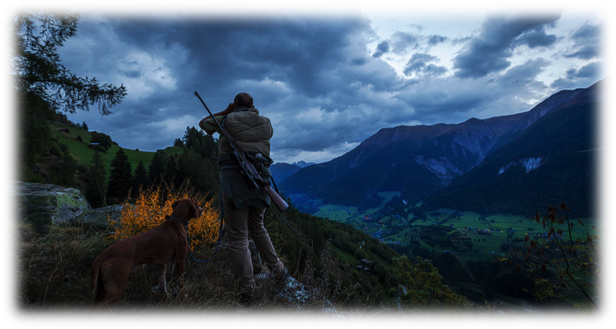
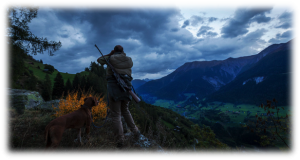
    Gaming is an interesting past time or profession for so many across the world. From Europe to the Americas, Asia and the continent of Africa hunting has provided a source income or sports – leisure for many. In many cultures, hunting is a tradition and the first kill is a rite of passage. But getting that first kill could be an enormous task for the even the best sportsmen or hunters.

    Now, let’s explore these 10 tips for new hunters to help you hone your skills.

    1. Learn from others

    You can never take the value out of working with a veteran when it comes to bowhunting or rifle season. Hunting goes beyond just targeting an animal for the kill. It is a skill. And working with an experienced hand helps you tap from their wealth of experience. It helps you understand the conditions of the environment, timing, species and best moves to make when hunting. An experienced hand understands the terrain, the tools, and techniques to survive that terrain. It always pays to start hunting experiences with a team for exposure and safety.

    1. Get a hunting license

    Whether an occasional hunter, sports lover or pursuing a profession in hunting it pays to get licensed. There are laws governing hunting in most states. And law enforcement officials can ask for your permit at any time in the wild. Of course, this is not the case in some areas with relaxed laws on hunting but be sure before you head out. Your guide should be in a position to advise you. Also, keep your license in a safe, sealed bag plus read the hunting regulation properly.

    1. Get the Right Tools

    Acquiring the right tool is vital to your success as a hunter.  However, you must also know how to use the tool. Whatever hunting tool, bow or rifle you are to use for hunting must align with your body, stature, and nature of hunting. The environment or location can also determine the tools to use as well as regulations.

    Bows must align based on the game, draw weight and length to succeed. Your weapon should feel comfortable to hold and draw or aim without much movement. For instance, using field point arrowheads would be considered illegal in most territories. It could cause minimal injury to the game leaving it to an agonizing death even if it escapes. But broad-point arrowheads can give a broader cut and better for achieving your overall goal.

    1. Get your bag pack

    Besides the shooting equipment, there are other tools to aid a successful shooting experience when game hunting. You need items such as camouflage, hunting gear, and clothes, body odor concealer, safety harness, bow hanger, hunting shoes, etc. consider the weather, do you need rain gear? Take something to keep warm for yourself and other family members if going in a group.

    Do not forget to carry enough water for the length of time you intend spending, hours or days. Carry enough food, snacks, & jerky. Also, throw in some treats to keep it exciting while waiting for the kill.

    1. Practice!

    Practice increases your chances of success. Though there is nothing as good as going afield. But you need to have a clear understanding of your weapon, how it works and how to use it effectively. You could also practice in the field with an experienced guide. Practice shooting with shotguns, rifles, crossbows, bows, to avoid becoming a security risk to yourself and others.

    Practicing should be over a lengthy period of time and not a one-off thing. Even experienced hands still need to practice or hone their skills. Part of your training includes reading books, online guides like the huge resources you would find on this website and more. There are also programs on television on hunting trends and news.

    1. Plan your day

    Don’t start your day without revising your plan. Yes, I assume you had your plan laid out before embarking on the journey? It would be disastrous if you didn’t. Because if you forgot anything due to not planning ahead, men, it might turn out a huge waste of time!

    An experienced hunter or veteran understands the need to gear up and ensure his team is ready physically and psychologically for the big day. So, check your emotions, be prepared! What likely physical or mental constraints do you experience and how can you mitigate them now? For newbies, the tendency is to be fidgety and lose composure. At this point, set milestones; create small achievable scenarios based on your shooting experience. Start with smaller milestones to reduce the chances of failure. Don’t jump at big opportunities immediately as sudden failures can dampen your spirit. If you are in a team, let every member of the team know the plan and mode of operations.

    Keep your bow hanger screwed to a tree as you cannot carry your hunting materials all through. It is a time-consuming exercise and you need the freedom to aim and take a shot. Also, remember to wear your hunting camo, clothes, gloves and face mask. Some animals such as the deer can pick your body odor from afar so make use of cover scents to mask the odor.

    1. Taking your first shot

    The first shot is very important while hunting. Scout your intended location adequately. Be sure your location works well for hunting your prey. Do not focus on a location that is ideal for you but what gets you geared up for success – strategic location; excellent shot!

    Aiming or siting a bow for a kill is a skill and it takes a lot of practice to get it right. That practice you should have done for long hours and days before the ‘D’ day. Learn to adjust your view to your shooting range. Patience is a virtue when it comes to hunting. Look at the patterns you create whenever targeting a prey, it will help you get better shots. Take advantage of the wind when trying to take a shot but look for where sensitive organs are before shooting.

    Depends on your training and strategy you can opt for either the traditional or mechanical arrow release strategy but get it right. Traditional shooting involves holding the arrows to the bowstring until the release time. All the while you keep your eyes locked on the target – take aim. Mechanical involves using a release aid to set off or trigger the bow. A lot of hunters make use of the mechanical bow release aid today. The mechanical is a lot easier to use.

    Be relaxed, exhale or hold your breathe on the release to avoid panic and ensure sturdiness when making the release. Calculate the distance before attempting. Use your gaming skill and check for clearance.

    1. Patience!

    Hunting is not like playing a game of car racing. It is not like a one-meter dash, it is about the destination. It is about your ultimate goal and you don’t want to get there too soon or too late. And that means, attacking before or after the game arrives. Just because you sight a game does not mean it’s time to take a shot, wait for the perfect timing and angle.

    1. Safety first

    The security of your team plus those within the environment should be a major focus for you. Also, ensure your firearm and bows are in order. Do not shoot or fire aimlessly to avoid accidents. Always ensure your body or rifle is on safe mode by staying off the trigger or lowering when not in use. Only fire when the target is within range.

    1. Keep Memories

    Always keeps precious memories of each milestone set and achieved as you would need them. Snap as many photos as possible, celebrate yourself and achievement.

    Being a successful newbie hunter is not about the size of the animal but the smile that erupts after the first kill. Your first kill, your first prize! Getting every other prize afterward comes with continuous practice, reading, learning and mentoring. You also need to understand that every environment and species comes with their peculiarities when hunting. You must get more information about an environment and their games before launching out. Please leave a comment or share this article with friends if you find it helpful. Happy gaming!

  • Outdoor Survival Skills

    Outdoor Survival Skills

    What is the Best time to go Fishing?
    Buy at Amazon

    Many people might want to know what exact situation dictates or demands outdoor survival skills. Well, to my opinion, I think that first and foremost the way to approach death is asking what the definition of emergency is. Knowing that an emergency is an unplanned event that requires immediate action. However, it will be safe to say that an outdoor survival situation will come under the heading of an event that is unplanned that calls for an immediate action and skills.

    Also, the preparation beforehand with training and gear are the things that will make the situation turn out for better or for the worst to the participants.  I think we live in a society that is so busy and we have all being there. You have weekend plans with your family, friends and loved ones to go hiking or camping. Life it’s been busy, and something comes up- its Friday night, and you are going to leave the next day morning for outdoors, and then you try to rush up and get your stuff and get going. Always remember that the woods and mountains do not move and they will always be there whenever you wish to visit. Do not go out there unprepared. Going to such places as wilderness, there is a risk, and the only safe guard against it is proper prior preparation which can prevent poor performance.

    One thing that anyone who is going outdoors: in the woods or under the water and so on should know is that he or she is going out in the Wild’s world. The person is meant to see and encounter things that are uncommon: wild animals, other dangerous insects, and plants that he or she do not see out in the cities or at home. So, the person always has to know that and treat it with a little beat of respect.

    Follow the rules below if you are planning for an outdoor tour for the first time and uncertain of what the situation out there might be.

    1. Do not go unprepared. Try to never go unprepared visiting the outdoors. Do your due diligence before venturing the wild. Presently, we live in a world of technologies, and we can equip ourselves with the necessary technology. For example Google earth and TerraServer. So before going backpacking, mountain climbing, bicycling, fishing, hunting, deep diving, hiking, camping, and any other place you wish to go, you can get online and get the area view of the particular field you want to visit.
    2. Do not rely on someone else. Imagine if you are going on a trip with someone that is more experienced in the field or someone has invited you, it’s always easy to have that kind of vacation mindset – what goes along for a ride? Grab the water bottle and hit the trail. But if the unexpected does happen, it is essential that you are able to take the situation into your own hands and get on and track your way out of the wild. So do your homework before venturing into the wild.
    3. Relying on technology. The modern technology is great, but it can also get us killed. There is a GPS on almost every phone now and different kinds of electronics that if in the wild, you can look through them and they take you back to the point from where you came in. Think also about it the other way: what if the batteries drop dead or the electronics drop in the water? That can tremendously hurt, and if care is not taken, some people in such situation might not make it out. So try to study a paper map and have it with you if possible.
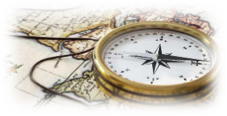
    4. Learn how to use a compass and also learn how to read a map. It is important to go to a local community college, or a local hiking or backpacking clubs or organization and gets a little seminar or workshop just to get a basic understanding of how to use the gadgets can be a life saver for anyone.
    5. This last one is known as the do or die plan. This is having looked on google earth map, having had a framework. You need to determine before you go out there that, if you go west, there is a highway, if you go south, there is a river, and if you go downstream, there is always a fishing camp. You have to get your mind prepared before you leave home that if everything else fails, that you have a direction and a bearing that is going to walk you out of danger to safety. And you are sure you know how to find that bearing after learning how to use your map and compass. Sometimes the compass can break. So it is vital to know how to read from where the sun rises and where it sets. You have to learn how to read shadows. All of these things are part of what will help anyone to survive a do or die situation outdoors.

    Conclusion:

    Before taking part in an outdoor activity such as hunting, camping, hiking, underwater diving and even bicycling, you have to make sure that you have the proper gears and that you have taken appropriate instruction classes on outdoors survival skills. Having binoculars or a spotting scope can also be a necessity when it comes to looking through an unfamiliar movement within the woods or around the field where you are located.

    Author Bio

    My name is Max. I am a hunter and an outdoor freak. I enjoy cooking, especially wild game recipes. I also like writing and sharing my outdoor experiences through blogging. If I am not writing or cooking; you will definitely find me outdoors hunting, fishing, hiking or camping. You can connect me on Facebook or take a grasp on my website at perfectriflescope.com

  • 6 Tips for Choosing the Best Binoculars for Outdoor Activities

    6 Tips for Choosing the Best Binoculars for Outdoor Activities

    6 Tips for Choosing the Best Binoculars for Outdoor Activities
    Buy at Amazon


    Simple as they may look, binoculars are very useful for any outdoor adventure. They are especially a must-have for hunters and bird-watchers who need to be able to see clearer and farther in the wild. Picking the perfect binoculars is not as easy as finding the shirt that fits, though. Several things have to be carefully considered to ensure that your chosen binoculars fit your needs.
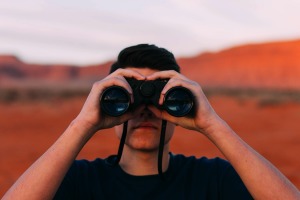
    If you’re on the hunt for a new pair of binoculars for your outdoor recreational activities, here are six tips to help you decide on the best binoculars to buy:

    1. Select Binoculars Made Specifically for Your Usual Activities

    While all binoculars may look the same, some have features that others do not. There are those that are made specifically for bird watching, hunting in the forest, spectator sports, astronomy, marine activities, or general outdoor activities. As you check your options, your main consideration must be the kind of activities you will be using the binoculars for.

    2. Choose the Right Magnification

    Binoculars come in different magnification ranges. The greater the magnification is, the more powerful the binoculars are—though this does not mean they are always better.

    The magnification affects the field of view and stability when you are using binoculars. Low magnification of 8 or lower offers better stability and wider field of view (meaning, you can see more objects on the frame). On the other hand, with a magnification of 10 or higher, you will get a closer view, a narrow field of view, and jarring motion on the image. In most cases, it is more practical to go with low-magnification binoculars because they are easier to hold steady. But if a higher magnification type suits your needs better, you will have to use a tripod to keep yours steady while using them.

    3. Examine Image Quality

    You will be investing in an extremely important tool for your outdoor adventures, so you better check the image quality of the binoculars to make sure you get value for your money. Pay attention to the crispness and clarity of the image that you see as you peek through the optics.

    4. Consider Your Eye Relief

    A lot of binoculars have eyecups that can aid people with eyeglasses and ensure their comfort while using them. If you are wearing specs, look for binoculars that offer eye relief of 11mm or higher. Get binoculars with durable and multi-adjusted eyecups so that you can see through clearly, without any parts blocking your sight.

    5. Assess the Binoculars’ Weight

    Choosing the best binocularsBinoculars can be quite heavy, and the really heavy ones can wear your neck or shoulder down. The best binoculars are those you can easily carry along during those long walks, hikes, and camping adventures. Most people find it bearable to carry a 35-ounce binocular. But then again, try on your binocular choices to check they are easy and comfortable to lug around with.

    6. Review Other Features and Warranties

    The field of view and focus should be on your list of considerations as well. Check every single detail that makes up your prospective binoculars. Check its durability, waterproofing, and even the warranty. A lot of companies offer a great package of warranty. It is great that you know how to take care of your binoculars, but sometimes, you might need their services, too.

    Conclusion

    Binoculars are an important investment for any outdoor enthusiast. They make for a better hunting and bird-watching experience (or whatever activities you like) while you are on the field. Take the time to thoroughly check the choices available before you decide on the best binoculars for your needs.


  • EsiCam HN03 Wireless Outdoor Bullet Surveillance Camera Review

    EsiCam HN03 Wireless Outdoor Bullet Surveillance Camera Review


    Wireless Outdoor Security Camera
    Click Picture to Order

    I need a Wireless Outdoor Security Camera because I have thief issues at my land.  A fence was build as a deterrent, but my Dad refuses to use it because he thinks he doesn’t need it when he is there.  (But he believes his backpack blower was stolen while he was sleeping in the shipping container)

    I was looking for a wireless outdoor camera with IR capabilities when I was offered the opportunity to review this one.  Naturally I agreed.

    The camera is pretty simple.  It comes with a short cat5 cable to plug into your router, mounting hardware, and a longer 115v wall wart.

    Camera voltage is listed as 12v at 1.0 amps, so I think I can easily adapt it to run off of solar.  Even thought the manufacturer says not to modify the device.

    The camera was much clearer than I expected, and the wireless function to my phone worked much faster and cleaner than other wireless cameras I have used in the past.

    After playing with it I only have a few dislikes.

    • The instruction manual and app are for two different cameras which makes it confusing in the beginning.
    • I can’t find the listed SD card slot so I can record.  I believe the best deterrent for thievery is best done when the video of his theft is played in court.  If he is in jail he can’t steal from you.  (I learned later that you have to take the camera apart to insert a SD Card.  I have a how to video of that process.
    • My biggest issue is that the instructions say that once the camera is initialized with the router you can disconnect it and run the camera feed directly to your phone over WiFi.  I have found that this is not the case even though the phone says it is happening, as soon as I disconnect the camera from the router the camera goes off line.

    My issues keep me from hooking the camera where I want it, but not from using it.  All in all I think it is a good camera, but I can’t get over the last two issues.

    I did get this camera at a reduced price in exchange for an honest review. #Homesecurity