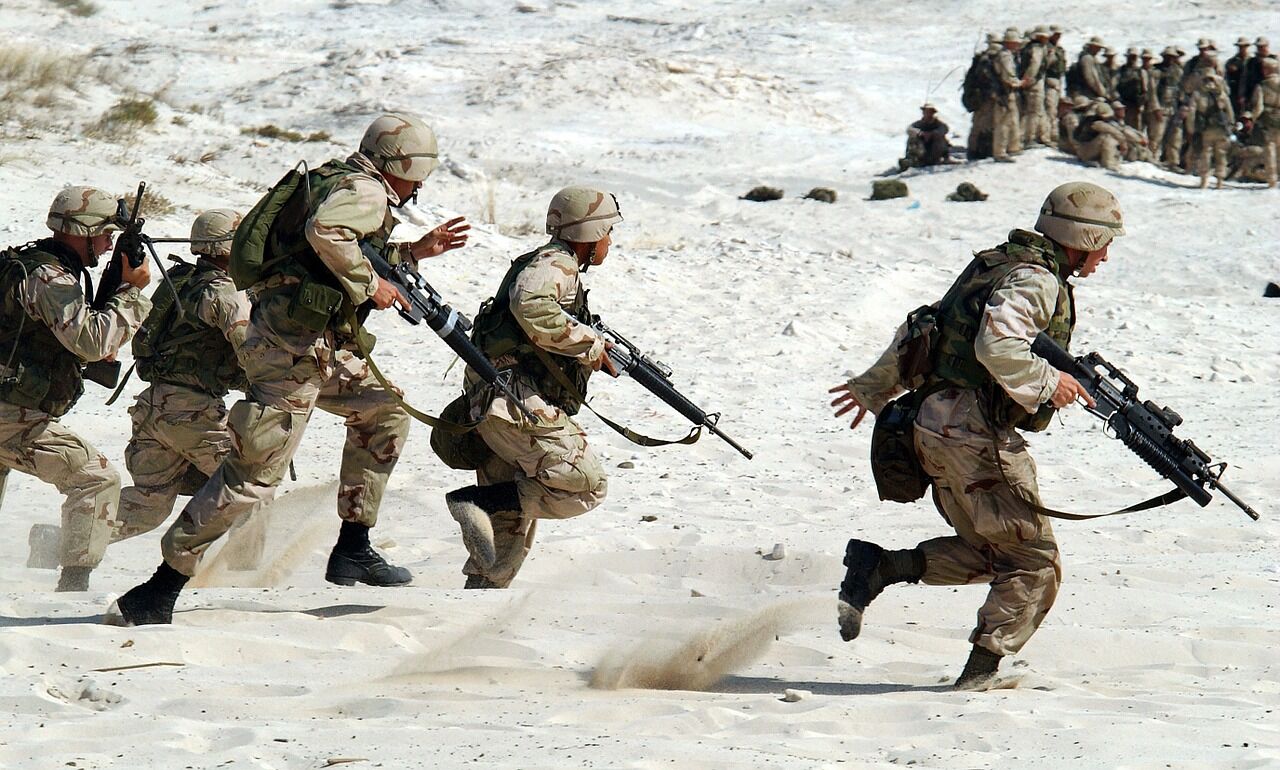
I have a friend that runs a local “mutual aid group” that uses The Tiger’s Way as a field manual, if you pick this book up, you will soon know why. The author, John Poole, has been both a commissioned infantry officer, as well as a noncom (USMC). He has also spent several years as a trainer and researcher.
I have to give him some credit simply because of his opening line on his amazon author bio “Through an inverted military career, H. John Poole has discovered a few things that more promotable people miss”. This guy is not afraid to say things that go against institutionalized dogma. His statement made laugh and think about the different types of majors you find in the military.
This book gives a path toward a better trained US soldier, he describes strengths and weaknesses of the eastern soldier and explains how we can adapt their ways of doing things to make our guys better.
Besides giving a warrior some very interesting food for thought the back of the book contains a section of battle drills and training options that are worth the price of the book.
John Poole has done his homework, and is a great author of books to better prepare our American soldiers and Marines. Stay tuned, If you liked The Tiger’s Way I also have another interesting read from Poole coming soon its called Phantom Soldier.
As I said in the video, Protection Dogs for You and Your Family was one of the first “prepper books” in my library – My definition being books that help me solve problems. At one time I was in the running to purchase a Belgian Malinois protection trained dog, and I needed to know what I was getting into.
Obviously if you have dogs, and especially protection dogs, I recommend this book.
I am going to risk being a little controversial and recommend it for parents also, not that I am saying your little precious is a dog, but because I think the book gives great advise on raising young animals to be confident and unafraid, it also shows the value of consistency, and very clearly articulates the essential element of the trainer’s actions and mindset in the training process.
My wife will whoop me if she ever reads this (hi honey- love you), but I follow some of this book’s guidance with little WT and he responds t0 me much better than he does his mother’s discipline, and no one can say I think of WT as anything less than my pride and joy – he is definitely not an animal.
Protection Dogs for You and Your Family is as much about you as your animal, and how you need to be fair, firm, and consistent with your subordinate animals.
Of course if you are looking at getting a bit dog, then make sure your ready, including having a good fence.
I have mixed feeling about the book Living Well on Practically Nothing.
I did get my money’s worth in ideas, but a lot of this was rehash of things I have seen before. I really expected a lot out of this book, so it may have been my expectations where too high, but I felt it could have been a little shorter and left out some of the “fluff”.
Some of the “disaster proof” jobs are things a lot of us do now to earn spare money.
I did learn some things, but most of it was good common sense, if you are familiar with using your hands, solving problems, and “thinking outside the box” when necessary, then you may not find this book useful. But if your new to disaster preparedness, and are uncomfortable doing things yourself, then this book will probably open your eyes to other ways of doing things.
I would not hesitate to do many/most of the things suggested in this book in the applicable situations, but my wife would probably rather die than eat in some of the ways suggested.
I find the book useful to start the conversation, and get her to realize there are other alternatives, and to help me realize, that not everyone shares my lack of food inhibition.
Should you DIY your own home? Understand that wanting to do something and actually doing it are two different things. And there’s also a question of whether you can honestly do something well, if you do manage to do it.
Sometimes the stakes are low, and even if you completely mess up, the experience is a fun one. But when it comes to building, construction and home improvement, doing something incorrectly can not only be costly and frustrating, but also potentially dangerous.
That’s not to say that all DIY is bad. There are plenty of perks to doing-it-yourself. You can save labor costs, for starters. You can also make quick fixes or improvements without having to disrupt your busy life by fitting in a visit from a handyman into your schedule. There’s also the satisfaction of learning something new and knowing that you’ve put a lot of hard work and effort into your home.
However, there are definitely some circumstances in which it’s better to just let the pros do their job. Here’s a quick guide!
Do You Have the Necessary Tools on Hand?
As we have mentioned, one of the advantages of DIY is being able to save money. But don’t assume that all DIY jobs will turn out less expensive than hiring a pro.
Think about it this way: if you have to buy hundreds of dollars’ worth of equipment just to do one job, is it worth it? Perhaps it actually is worth it, if you honestly plan to reuse the tools enough to have them pay for themselves. But some tools and machinery are incredibly job-specific. Why use it once and then have it sit around collecting dust and taking up space?
Renting equipment can be a good middle ground. You won’t break the bank, you can collect the tools you need to do the job right, and you don’t have to worry about finding storage space for bulky machines.
If You Do It Wrong, Are You Endangering Your Life?
Electrical projects leap to mind here. If you do not have the proper training to keep yourself safe when working with electric wires, it’s best to walk away and pick up the phone! You certainly do not want to electrocute yourself.
But also keep in mind safety when doing other projects, like tree trimming. Yes, it’s impossible to envelope yourself in bubble wrap and stay completely safe every day of your life, but some decisions are simply unwise. If there’s obvious potential for a fatal accident, don’t DIY.
Will It Be Tremendously Expensive to Fix Your Mistakes?
Sometimes it is more expensive to fix an error than it is to have it done correctly and professionally in the first place.
For example, concrete: you could install a concrete sidewalk or patio on your own, but let’s say that you did not properly prepare the ground underneath, nor cure the concrete correctly. As a result, the concrete is chipped, flaky, cracked and uneven, despite being brand-new. The cost of ripping up all the concrete and hauling it away might not be worth it in the end.
Plumbing is another area in which mistakes can sometimes turn into an expensive same-day appointment with a professional.
Can You Stick to a Timeline?
If you start a project, can you finish it? A large construction project that sits for weeks or months can become a source of stress and frustration as you struggle to find the time to be your own part-time contractor. One of the benefits of turn-key construction teams is that they can get a project done start to finish … otherwise their paycheck is on the line!
There’s no shame in hiring a professional. Often it is the most cost- and time-effective way to get things done. And getting things done is ultimately all that matters!
So, you want to learn how to fish with a crossbow?
Maybe you want to impress your hunting buddies with an innovative technique while catching a bunch of fish?
Well, it’s either that or you want to show off with your skills and new cool gadgets, right?
All in all, you are reading this article because you are a fisherman or you will be soon. Amateur or professional, whatever your level is, equipment is updating, upgrading and just getting better overall. You should too!
Luckily for you, I will show you everything you need to know about fishing by using a crossbow as well as about crossbows themselves. All that you need to do is kick back (be careful not to fall asleep as that would leave terrible consequences on the writer – me) and go through the article. You will be ready for crossbow fishing in no time!
Things you need to know about crossbows
Surely, you must have already heard about crossbows; at least in movies. However, even if you have never heard about them and have no clue what they are, don’t worry. No big deal! That’s actually the beauty of crossbows – they aren’t that hard to learn, but we will talk more about it later.
Okay, before we begin one thing must be cleared: You need to pay close attention to every paragraph of the article. Understanding how things work and learning to shoot correctly is one of the key things not just in fishing, but in every aspect of hunting. You need all pieces of the puzzle in order to make the picture, right? Same goes for hunting. You need all the information if you want to execute it successfully.
What is a crossbow?
Crossbows are actually quite ancient. They were one of the “go to” weapons in medieval times. Imagine how much they have changed since then. Back in those times, they were effective and strong weapons that people used in wars. Nowadays, they are adapted for hunting purposes. Don’t let that fact make you think that they have lost their power. Actually, they are better than ever.
Basically, all of the crossbows consist of:
Horizontal assembly that looks like a bow
The assembly is located on the stock
The stock fires arrows / quarrels
If you are able to handle a gun, not to mention a bow, you are already 90% there when it comes to handling a crossbow. If you never held a gun before (or a bow), you will learn pretty fast as well. Come to think of it, a crossbow may be a good starting point if you want to shoot from rifles.
How do you shoot a crossbow?
First things first! You must learn how to cock your crossbow.
It would be wise to invest in a cocking rope or the crank operating cocking aid. Some of this may even come with the crossbow you bought. If you didn’t receive it, buying a cocking rope would be a pretty good thing to do as it reduces the pulling effort you need to put in when you are getting ready to shoot. This will save you some time, and you know how hunting is – each second counts!
You can also cock your crossbow without any additional equipment, but that would make things pretty harder.
Now, after the crossbow is cocked, you must pull the string back and use the same amount of pressure on both sides of the barrel. Also, remember to place your string accordingly. If you don’t align it well (we are talking about inches here), the arrow will most likely miss its target and your prey will escape. We don’t want that to happen, do we?
Okay, so how do you shoot it now that you know the first step?
Load your arrow into the barrel. Make sure that your arrow is firmly in place. Safety is our number one priority!
Check for any objects that could deflect your shot or that could end up in front of your crossbow before you shoot.
Aim at your target. Your crossbow either has a scope already mounted on it or it has a sight pin.
Fire at your target! Simply squeeze the trigger and hold the crossbow tight. The arrow will be launched at your target. Remember to watch over your target at all times. Don’t look elsewhere!
These steps are essential for your crossbow fishing. As you can see, if you practice these points you will learn how to use the crossbow for hunting all sorts of animals, not just fish.
Okay, now that you know the basic information about the crossbows (keep in mind that you must learn the fundamentals first, not just in hunting with crossbows but in everything in life), let’s move to our specific topic – how do you use them for fishing?
Crossbow Fishing 1 on 1
This part of the article will give you tips and ideas regarding crossbow fishing. So, let’s begin.
I want to let you know right from the start that this type of fishing is way more challenging than your everyday fishing method. Before, you could just sit down comfortably, grab a beer that’s next to you, hold your fishing rod, and wait. That’s it! You would just wait, enjoying the silence (or getting annoyed by it) because you couldn’t risk scaring the fish away.
Well, this method will bring you the thrill of hunting and will definitely make fishing more interesting. However, you must keep in mind that some general rules are the same even when you are fishing by using a crossbow, because, well, fishing is fishing.
What are those rules, you may ask?
Silence is still your friend – Fish are easy to be scared. You will be making some noise because you will need to move around and look for the fish. However, making sure that you don’t move as quick and make loud sounds is a MUST.
Keep your eyes wide open – When it comes to regular fishing, you need to watch over your bait in order to know if the fish is hooked, and you need to pick a spot where you want to throw your bait. The rules are same here, only a bit more extreme. You have to pick a spot where you can see through water (that’s another reason why this method a bit more challenging) with ease. So, if your river is full with mud and its water is not transparent enough, you should avoid it.
Be patient – In regular fishing you just had to have patience when it comes to waiting for fish to take the bait. Here, you must have a different “type” of patience. You have to wait for your fish to appear, yes, but you also have to wait for the perfect angle. Don’t forget, your prey is in your hands now. If you miss, you won’t take anything, so wait for the best possible angle to shoot.
How does fishing with a crossbow look like?
Assuming you have cover all of the previous points and assuming that you have got the general idea of how your crossbow works, here is how it all looks like.
You have found a perfect river, the conditions are perfect and you have spotted your fish. Let’s just assume that everything is perfect because this is a learning tutorial. In real life, you will experience many difficulties, but that’s exactly what makes hunting so appealing and thrilling.
Okay, now you are going inside the water, carefully, not making any noise (because this is a perfect scenario). While you are approaching your fish, you are eyeballing it nonstop. So, you have your crossbow aimed at the fish you want to get. Good. Now, the “hard” part.
If you didn’t switch for arrows that are specifically made for fishing, you might as well call it a day. If you have the right gear equipped (and we will address that as well, later in the article), you are ready to shoot. You see, your arrows will be attached by your fishing line to your reel. You need to do this in order to retreat the fish.
Your gear is set, you have the right position, you are ready, now all you need to do is – SHOOT!
This is the part where it gets tricky. You have raised the alarm for other fish. The arrow is fast and will penetrate the water fast, but nearby fish will notice it and run away. It might also happen that your fish doesn’t get hooked on right away. You might just stun it for a bit. In that scenario, you must remain calm and remember to keep your eyes open. Your fish is stunned now, which means you will spot it easier.
After you have got a clear shot, shoot again. Now that your fish is hooked, simply use your reel and pull the fish out of the water. You have got your first fish using a crossbow, congratulations!
That scenario is basically how fishing by using a crossbow should look.
I mentioned that you need the right gear for the job, right? Here is what you need.
You will find useful tips regarding crossbows here.
Crossbows for fishing
Regular crossbows might not be as suitable for fishing as you would think. You might adjust your crossbow and still use it and be effective, but why bother when you can get a crossbow specifically designed for fishing?
It is pretty easy to spot a crossbow of that kind. Like I have mentioned earlier, it has a reel and its arrows are attached to the fishing line. However, your job is not done as soon as you spot one of them. Oh no!
You must keep in mind what kind of fish you want to catch. Is it small? Is it big? Is it huge?
A regular crossbow won’t be suitable for a big fish, such as the grass carp. With that being said, you will need a stronger crossbow for bigger fish.
If you have never held a crossbow designed for fishing before, keep in mind that it is quite heavier than your crossbows for other types of hunting. The arrows that these crossbows are firing are heavier as well, as they need to penetrate water.
While we are talking about gear, we have to address the specialized glass that can help you if you are fishing in murky waters. This can come quite in handy if you don’t pick a good river like we advised.
Conclusions
And that brings us to the ending of this article on how to fish with a crossbow. I hope you have enjoyed and haven’t fallen asleep at any part of it! If you have followed and learned the steps that this article showed you, I am sure that you will master your crossbow and start fishing in no time!
All in all, crossbows are pretty beneficial when it comes to hunting. As a matter of fact, they are even more beneficial than guns. Crossbows aren’t as loud as guns, which means you will be stealthier, and we all know that stealth is a key factor in hunting. Also, crossbows are considered as a part of archery in most states. That means that you could hunt longer than the “rifle guy”.
On top of that, crossbows are quite easy to learn. Keep in mind that practice makes perfect and that you will be having a hard time at first. Later, however, it will be a whole different ball game. Your fishing adventures will turn by 360 degrees and you will be getting your prey like it is nothing.



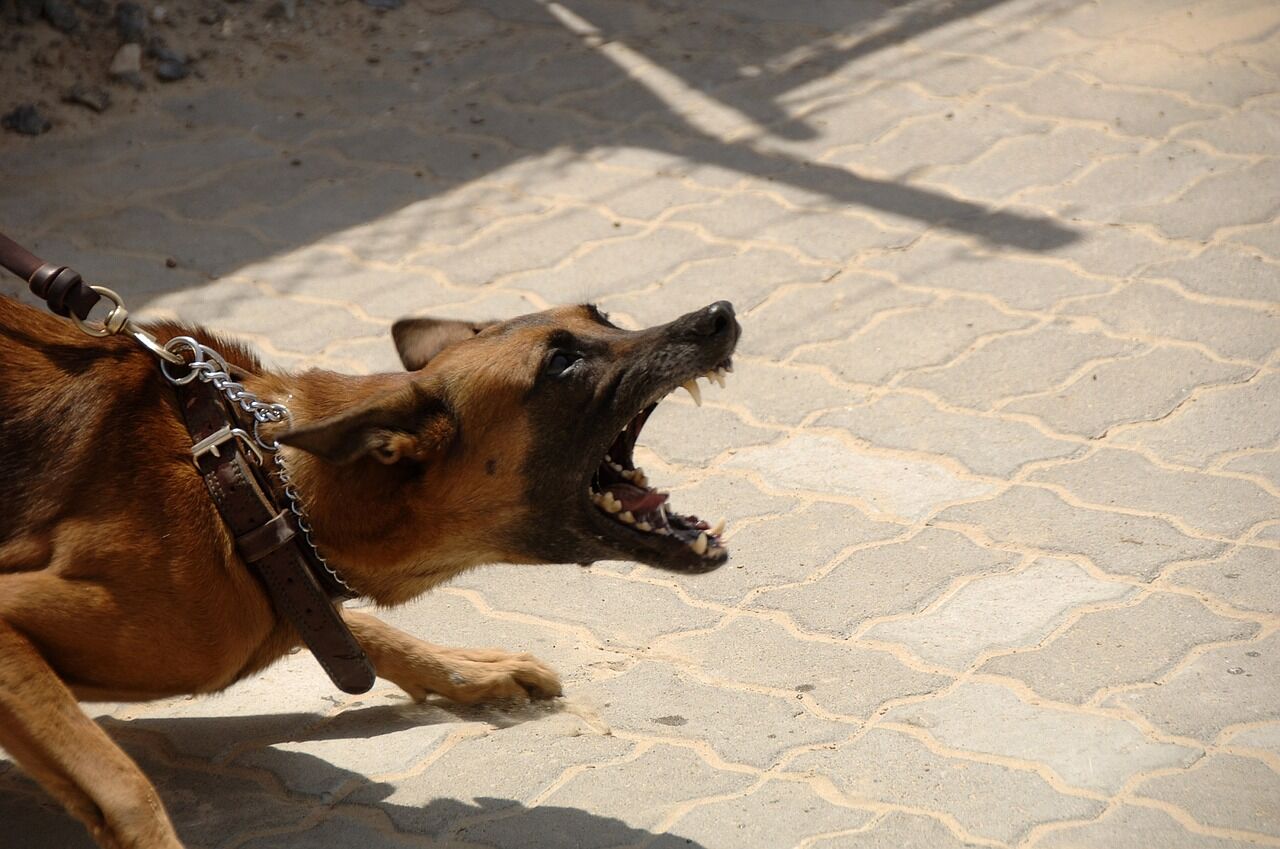

 As I said in the video, Protection Dogs for You and Your Family was one of the first “prepper books” in my library – My definition being books that help me solve problems. At one time I was in the running to purchase a Belgian Malinois protection trained dog, and I needed to know what I was getting into.

 I have mixed feeling about the book Living Well on Practically Nothing.

 Should you DIY your own home? Understand that wanting to do something and actually doing it are two different things. And there’s also a question of whether you can honestly do something well, if you do manage to do it.

 So, you want to learn how to fish with a crossbow?