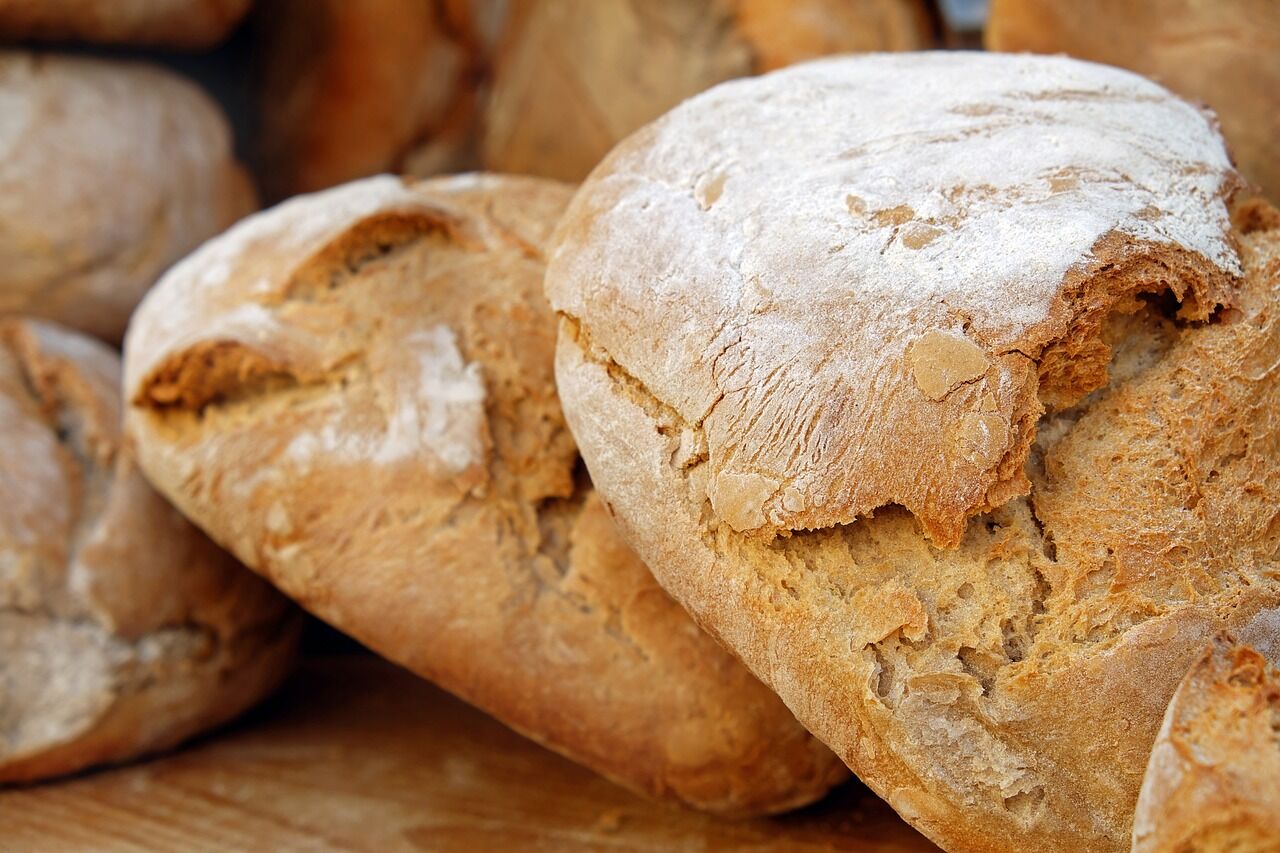
Artisan Bread in Five Minutes a Day is one of the few “mainstream” books in my library. I heard about Artisan Bread in Five Minutes a Day on some cooking show, and figured it was just some “arty” book, but I leafed through it at a bookstore, and found a lot in this book that I could put to use as a prepper.
Its no secret that I am not a talented baker – my breads tend to either – look good, or taste good, but seldom do they do both.
I think it is because I am slightly impatient. I don’t want to wait around all day for the dough to rise and proof.
This book takes some of the time out of the game. Now not all of these concepts are “prepper” friendly. A lot of this involves keeping dough in the fridge long term.
However, it does introduce homemade bread on a daily basis, and even if some of the techniques would need adjusting in a “grid down” scenario, I believe that getting use to eating homemade bread every day, and using your stored wheat in your daily routine is priceless.
I used the principles in the book for my no-knead sour-dough and it came out great!
If you store wheat for a rainy day, and you so not routinely bake fresh bread, you need to read this book.
I discovered The New Complete Joy of Homebrewing at a local discount book store, and now that I own it, I would happily pay full price for a new copy if I should ever lose or destroy this copy.
This is not a recipe book, although it does contain some recipes. This is a troubleshooting guide, as well as a reference packed full of charts and tables.
If you want to know the chemistry behind your brewing, become consistent in the flavor of your finished product, or just start brewing, then I recommend The New Complete Joy of Homebrewing.
I personally spend more time making wine and mead, than I do brewing beer, and this guide is geared toward brewing beer, this book has enough depth that it is useful for all three pursuits.
When I started this site I was fond of saying I liked to make alcohol, but I didn’t really like drinking it, but here lately, I am starting to turn the other way.
I think as life progresses we change, and we begin to adopt different attitudes based upon what we choose to let into our life. For me its more drinking and screwing around with little projects, with others I have no idea.
Not saying this is a bad thing, but it does make you wonder what you are allowing in your life, because just as it is true that when one door closes another opens, it is also true that as you walk through a door you lock another behind you.
As I said, I like this book, and I bet if you like home-brewing, you will like it also.
Five Acres and Independence is a classic, no small homestead is complete without this handbook. However, it can be a challenge to read, as it was written back in the 40’s and republished several times.
The small amount of mental work adjusting to the wording saves an untold amount of physical labor as well as waste.
Mr. Kains was a noted horticulturalist, and his guidance is of extreme use to the homesteader. He tells how to use each production stream to benefit the whole – like my rabbit manure fertilizing my plants, and my plant waste feeding my fish…
He shows how to plan for the best use of land, and how to avoid waste. How to site your buildings, what to build first. If your planning on buying a small plot of land and trying to grow a large portion of your own food, this book should be studied BEFORE you buy. It just might save you some heartbreak.
I am not sure if the are are any wanna be homesteaders that does not own this book, it has been the stuff of dreams and preparation for thousands of people planning to go off grid over the decades it has been in print.
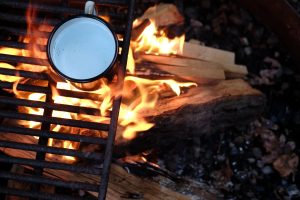
Enjoying the great outdoors by yourself or together with your friends and family is an amazing experience. There is something immensely freeing about sleeping under the open skies and waking up with the smell of fresh, untamed morning air filling your nostrils. However, this experience isn’t one without its challenges.
What You Need to Know
It generally takes campers a long time to get accustomed to all the different situations a camping trip might involve. Fortunately, you can take some shortcuts in the learning process if you are dedicated enough. Here are the four most important prepping skills you master after years of camping.
1. Choosing the Right Equipment
The equipment you bring along with you on your camping trip is vital to your comfort and well-being. A high-quality tent is a must, and so is a well-insulated sleeping bag. Investing in a sturdy backpack that can fit all your essentials is your best bet if you want to be prepared for anything that might occur.
You also need to be prepared in case the weather turns unexpectedly humid. One thing that every seasoned camper needs to know is how to waterproof leather boots in case they don’t have ones that already possess that quality on hand. Add in a sturdy raincoat and you’re all set for even the most unexpected surprises Mother Nature could throw onto you.
2. Packing Lightly
When you’re out in the wild, packing lightly is essential, especially when you prefer hiking up to remote places to get away from the world for one weekend. To do this like a pro, you will need to know what the essentials are depending on the location and duration of your trip. Multi-purpose items such as a Swiss army knife, are an excellently practical choice.
On top of that, always remember not to bring too many separate outfits. You’ll end up not wearing them anyway, so focus on warm, layering appropriate-clothing instead. It’s important to prepare for cold weather, even if the forecast says otherwise. Furthermore, one pair of boots is enough. Always make sure you have clean socks and undergarments on hand, but don’t overdo it.
3. Adequate Food Storage
Naturally, bringing a balanced variety of canned and fresh food is essential while out camping. Cooking out in the open wilderness is a very nourishing experience for both body and mind, but it also comes with its risks. Something that a lot of beginner campers don’t realize is that storing food properly is also crucial while out camping.
During the day, whatever you bring needs to be kept in a cooler to preserve its freshness for as long as possible. Then, before going to sleep at night, make sure to put any leftovers in the car or any anti-bear enclosure on the campgrounds so that wildlife isn’t drawn to it. Bears coming in the middle of the night looking for food aren’t a myth, unfortunately.
While they most likely won’t hurt you during their food foraging, you don’t want to wake up the next day and have nothing left to eat. In addition, scaring them away is potentially dangerous, so it’s best to avoid this hazard altogether.
4. First Aid Kit
According to Recreation.gov, an adequate first aid kit is one of the best things to have on hand if you want to ensure that you and all the other members of your group stay safe. The perfect one contains antiseptics for scrapes and cuts, insect repellent, pain relievers, sunscreen, tweezers and a snakebite kit as well.
If anyone in your group has any special needs as far as allergies or any other health conditions are concerned, make sure to tailor your little emergency box to their situation. Antihistamines are a good addition, as is any other essential medicine. And if you’ve got some room to spare, throw in some duct tape as well. It is a great multi-purpose item to have on hand.
Conclusion
Nature is beautiful, but it can also be dangerous. This is why you need to do your best to always protect yourself and those around you. It will be hard at first, which is why you need to stick to the beaten path. Slowly, you will learn how to deal with various situations and you can venture out into true wilderness when you feel courageous enough.
It’s essential to remember a few things. Always choose the right equipment. Your tent and your sleeping bag are your most trusted allies, so make sure they are sturdy and reliable. When in doubt, always go waterproof, and always pack lightly. Make room in your backpack for what’s important and bring as many multi-purpose items as you can.
Finally, a first aid kit is your best friend in case you or someone nearby gets hurt. Pack it with everything you and your group need to maintain your safety and well-being. But most importantly, don’t forget to have fun!
In the science fiction world, I am pretty partial to Robert Heinlein, as a matter of fact, I use several selected quotes of his on a routine basis.
Therefore, since I am doing reviews of prepper books, to include prepper fiction I had to throw Farnham’s Freehold into the stack of books.
As you see from the book’s cover Heinlein knew this book would be a little controversial. It should be understood, that being fiction, the book can take some liberties with reality.
The book begins with a nuclear war scenario, and Farnham and family take refuge in his bomb shelter – and wake up after being transported into the distant future.
The characters then deal with issues that go unspoken in many prepper households – namely, who is in charge, how to divide responsibilities, are guests “entitled” to an equal share, as well as the pure fun (and extreme work) of solving the problems of rebuilding humanity.
Unfortunately, in Heinlein’s future, after the bombs the world blames the destruction on the white race, and subjugates them into a source of food as well as slaves. The white race is bred to be smaller than current men, and most males are castrated.
Farnham rebels at this idea and devises a way to return to the past to prevent this, while his wife and son decide to stay.
There are several themes in this book worth exploring, and I feel that any reasonably intelligent person can decide what is literary license, and what is worth discussing.



 I discovered The New Complete Joy of Homebrewing at a local discount book store, and now that I own it, I would happily pay full price for a new copy if I should ever lose or destroy this copy.

 Five Acres and Independence is a classic, no small homestead is complete without this handbook. However, it can be a challenge to read, as it was written back in the 40’s and republished several times.


 Enjoying the great outdoors by yourself or together with your friends and family is an amazing experience. There is something immensely freeing about sleeping under the open skies and waking up with the smell of fresh, untamed morning air filling your nostrils. However, this experience isn’t one without its challenges.

 In the science fiction world, I am pretty partial to Robert Heinlein, as a matter of fact, I use several selected quotes of his on a routine basis.