
Outdoor Survival Skills

What is the Best time to go Fishing?
Buy at Amazon

Many people might want to know what exact situation dictates or demands outdoor survival skills. Well, to my opinion, I think that first and foremost the way to approach death is asking what the definition of emergency is. Knowing that an emergency is an unplanned event that requires immediate action. However, it will be safe to say that an outdoor survival situation will come under the heading of an event that is unplanned that calls for an immediate action and skills.

Also, the preparation beforehand with training and gear are the things that will make the situation turn out for better or for the worst to the participants.  I think we live in a society that is so busy and we have all being there. You have weekend plans with your family, friends and loved ones to go hiking or camping. Life it’s been busy, and something comes up- its Friday night, and you are going to leave the next day morning for outdoors, and then you try to rush up and get your stuff and get going. Always remember that the woods and mountains do not move and they will always be there whenever you wish to visit. Do not go out there unprepared. Going to such places as wilderness, there is a risk, and the only safe guard against it is proper prior preparation which can prevent poor performance.

One thing that anyone who is going outdoors: in the woods or under the water and so on should know is that he or she is going out in the Wild’s world. The person is meant to see and encounter things that are uncommon: wild animals, other dangerous insects, and plants that he or she do not see out in the cities or at home. So, the person always has to know that and treat it with a little beat of respect.

Follow the rules below if you are planning for an outdoor tour for the first time and uncertain of what the situation out there might be.

  1. Do not go unprepared. Try to never go unprepared visiting the outdoors. Do your due diligence before venturing the wild. Presently, we live in a world of technologies, and we can equip ourselves with the necessary technology. For example Google earth and TerraServer. So before going backpacking, mountain climbing, bicycling, fishing, hunting, deep diving, hiking, camping, and any other place you wish to go, you can get online and get the area view of the particular field you want to visit.
  2. Do not rely on someone else. Imagine if you are going on a trip with someone that is more experienced in the field or someone has invited you, it’s always easy to have that kind of vacation mindset – what goes along for a ride? Grab the water bottle and hit the trail. But if the unexpected does happen, it is essential that you are able to take the situation into your own hands and get on and track your way out of the wild. So do your homework before venturing into the wild.
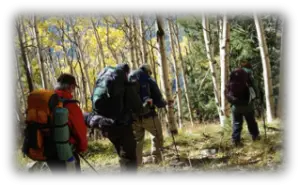
  3. Relying on technology. The modern technology is great, but it can also get us killed. There is a GPS on almost every phone now and different kinds of electronics that if in the wild, you can look through them and they take you back to the point from where you came in. Think also about it the other way: what if the batteries drop dead or the electronics drop in the water? That can tremendously hurt, and if care is not taken, some people in such situation might not make it out. So try to study a paper map and have it with you if possible.

  4. Learn how to use a compass and also learn how to read a map. It is important to go to a local community college, or a local hiking or backpacking clubs or organization and gets a little seminar or workshop just to get a basic understanding of how to use the gadgets can be a life saver for anyone.
  5. This last one is known as the do or die plan. This is having looked on google earth map, having had a framework. You need to determine before you go out there that, if you go west, there is a highway, if you go south, there is a river, and if you go downstream, there is always a fishing camp. You have to get your mind prepared before you leave home that if everything else fails, that you have a direction and a bearing that is going to walk you out of danger to safety. And you are sure you know how to find that bearing after learning how to use your map and compass. Sometimes the compass can break. So it is vital to know how to read from where the sun rises and where it sets. You have to learn how to read shadows. All of these things are part of what will help anyone to survive a do or die situation outdoors.

Conclusion:

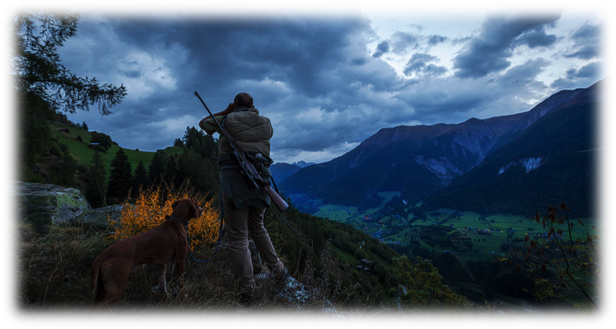
Before taking part in an outdoor activity such as hunting, camping, hiking, underwater diving and even bicycling, you have to make sure that you have the proper gears and that you have taken appropriate instruction classes on outdoors survival skills. Having binoculars or a spotting scope can also be a necessity when it comes to looking through an unfamiliar movement within the woods or around the field where you are located.

Author Bio

My name is Max. I am a hunter and an outdoor freak. I enjoy cooking, especially wild game recipes. I also like writing and sharing my outdoor experiences through blogging. If I am not writing or cooking; you will definitely find me outdoors hunting, fishing, hiking or camping. You can connect me on Facebook or take a grasp on my website at perfectriflescope.com
Top 10 Survival Skills Your Child Should Know Right Now

Top 10 Survival Skills Your Child Should Know Right Now
Buy at Amazon

Every individual needs to be able to take care of his or herself, including children. They may not be adults yet, and they may have fewer responsibilities than most of us, but they do need to learn how to survive in this cruel world, especially when outdoors. Hence, in this post, we’ll be rounding up the top survival skills your child should know.

It is every parent’s responsibility to teach their kids various skills they can use throughout their lives. In this modern world of ready-to-eat food and high-tech gadgets made for utmost convenience, the art of survival skills fade as majority of us rarely use them.

However, the greatest thing about survival skills is that no one can predict when and where to use them.

Apparently, it’s better to know how to execute a certain necessary skill, such as starting a fire with wet wood, in case of an emergency than to be stuck without any knowledge.

So without further ado, here’s a list of the top survival skills every kid should learn.

Top 10 Survival Skills Your Child Should Know Right Now

1. Finding Safe Drinking Water

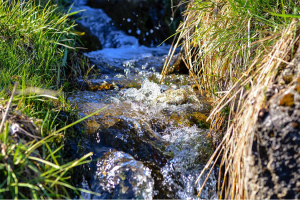
Finding safe drinking water is a crucial skill since the human body can live without food for several days, but not without water. It is, therefore, necessary for every kid to know how to locate water sources and how to purify them.

First off, if the potable water you consume in your home is sourced from a deep well or faucet, you might want to teach your kids how to continue drawing water from them if electricity’s out.

When outdoors, make sure your child brings a bottle of water at all times. Otherwise, the safest water sources outdoors are springs, streams, ice, and snow. Lakes, ponds, and creeks are unsafe, no matter how clear they can be. Next, show them the proper way of testing spring water and other water sources to make them safe for drinking.

Water can be boiled, filtered, or treated with chemicals such as iodine to rid it of bacteria and viruses.

2.  Basic First Aid

Every child and adult should learn basic first aid. First aid is beneficial during emergency situations. It could be a life saver, especially if your child is alone and injured.

Your kid needs to be shown where the first aid supplies can be found, emergency numbers to call, as well as some basic skills such as treating minor wounds, burns, and tying a sling.

This animated video below will teach your kids how to do basic first aid in case of accidents.


3. Building Fire

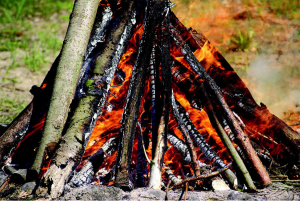
Building fire is an essential outdoor skill.

Teach kids how to gather wood, light matches, keep the fire under control, cook with it, and most importantly, kill it when not in use to prevent forest fires.

You might want to go as far as teaching children how to start a fire with wet wood as an advanced survival skill.


4. How to forage

Differentiating poisonous plants and shrubs from non-poisonous ones is a great skill to possess. You can teach your kids this lesson by simply taking them on nature walks and pointing out which are edible or poisonous as you go along.

Since it may be hard for kids to keep track of so much information, encourage them to keep a journal with pictures and names of each plant for future reference.

Start with non-poisonous and edible plants first then move on to those with dangerous look-alikes such as nettle, berries, watercress, dandelions, and cattails.

5. How to find or build shelter in the wilderness

Kids should acknowledge the importance of a shelter in a survival situation and how to find one when needed.

You can teach them how to find the right spot to position a tent, areas to avoid, and creating makeshift shelters if you don’t have a tent with you.

This skill is one of the most fun things to learn, especially building makeshift shelters. You can teach them how to use fallen trees, dry leaves, and other outdoor objects to stimulate their resourcefulness.

6. Self-defense

Children can protect themselves through acquiring self-defense skills. Enrolling them in a self-defense class can benefit him or her in many ways.

They can learn self-discipline, feel more confident, and be able to defend themselves against attackers and potentially dangerous situations.

For the meantime, you can refer to the video below for basic self-defense techniques for kids.


7. Handling a knife

The mere thought of sharp objects scares children away. Knives have become a taboo subject among the youngsters because of its possible dangers, but these tools are also present in our daily lives; that’s why children need to know how to use it safely.

The more aware and knowledgeable they become about knives, the less likely they are to experiment with it. Children should be taught how to hold a knife, walk with a knife, cutting objects with knives, and storing them properly.

8. How to swim

Sadly, drowning is one of the most common forms of accidents faced by children outdoors. Children do love the water, and it’s inevitable to keep them away from it. Hence, the only way to make sure they’re safe while enjoying the waters is to teach them how to swim and float.

Don’t know how to swim yourself? Let little Emma help you!


9. How to fish

Fishing is fun. It’s a good form of bonding for parents and kids. It’s easy to learn, and it’s not complicated at all – it doesn’t involve lots of expensive equipment.

Furthermore, kids can appreciate the outdoors more if they know how to fish because of the free food. Teach your children how to fish in 10 simple steps from this article.

10. Reading a map, compass, and GPS

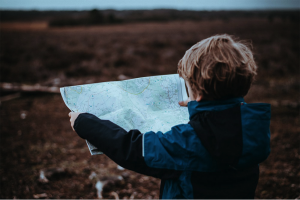
Maps, compasses, and GPS devices let children know where they are and help them find their way in case they get lost.

GPS systems can let you know your location instantly, but if you run out of battery, compass and maps are your only options for navigation.

Not only will reading these tools provide children with information on their whereabouts, but they also help in enriching kids’ spatial thinking by making them visualize objects in relation with one another.


Final Thoughts

Children should be taught survival skills early on so they can be prepared anytime, especially during a zombie apocalypse. Kidding! So, there you have it — the top 10 survival skills that are extremely helpful for children and for adults too. Know that those 10 bullets are just the tip of the iceberg as there are about a hundred or so skills you can learn from the outdoors.

Hey, camper! Did you find this post useful? Have you learned a lot? Do you know other survival tips or tricks? Let us know in the comments section below. Don’t forget to share this post. Cheers!


Makeshift Workshop Skills

Book Review: Makeshift Workshop Skills
Buy at Amazon

In today’s high-tech society, even the most advanced devices and systems are not failsafe. Tools can break or wear out, batteries can go dead, and all sorts of malfunctions can render the modern conveniences we rely on totally useless. If quick replacements of failed items are not readily available, the ability to improvise and adapt in the workshop suddenly becomes very practical.

James Ballou, author of the best-selling Long-Term Survival in the Coming Dark Age, dramatically expands on the popular home workshop material in his first book to present a “makeshifter’s” way of building and repairing things with only a pile of raw or salvaged materials, your hands and your mind. In this fascinating new book, he presents a wide range of unconventional, remarkably creative home workshop skills, including:

• HOMEMADE TOOLS—Make your own hammers, drills, screwdrivers, wrenches, pliers, saws, files, chisels, vises, clamps . . .

• EXPEDIENT REPAIRS—Perform sturdy repairs with ordinary glue, tape, cord, wire, dowels, nuts and bolts . .

• MAKESHIFT CONSTRUCTION—Construct all sorts of functional items out of coat hangers, old car parts, 2 x 4s, wooden dowels, nails, rebar, coffee cans . . .

• USEFUL PROJECTS—Build a homemade forge out of an old barbeque; handle simple soldering jobs with a road flare; perform quick weld repairs with car batteries, jumper cables, and a pair of pliers . . .

Ballou also gives extensive instruction in makeshift metalworking, practical calculating skills, resourceful salvaging, plus dozens of practical tips for the craftsman or handyman who might need this information in an emergency or who simply enjoys learning about alternative ways to handle home workshop projects.  Makeshift Workshop Skills is a great book.