
Reducing Lower Back Pain

An Effective Guide to Reducing Lower Back Pain

An Effective Guide to Reducing Lower Back Pain
Buy at Amazon

Lower back pain is a common issue that bothers millions around the world. A stinging pain affecting the lower back area- it is one of the worst things to suffer from.

There can be many reasons for this. It could be your wrong posture while lifting weights at the gym or due to the poorly supported old mattress you haven’t changed in a while.

The pain can vary based on the intensity and location of the issue. Fortunately, there are many options available for treating lower back pain. But before you make the doctor’s appointment, why not give these listed remedies a try at reducing lower back pain?

Home Remedies For Lower Back Pain

A Safe Option for Treating Lower Back Pain

Some of us do have the tendency to rush to the doctor in any case of lower back pain. Even if it the pain is mild. Just keep in mind that taking medications for such trivial matters can leave you with complications. So, it is always safer to try some home remedies first.

Try these home remedies to quickly get rid of back pain. Most back pains don’t linger on for more than six weeks.

1. Apply Ice or Heat

For the first two days of pain, apply a bag of frozen food or ice packs on the area of pain. Apply several times each day. Try to keep it for around twenty minutes.

After the initial two days, try applying some heat. You can use heating pads for this purpose. The frequency and duration of the application will be the same as before.

You may wonder how the whole thing works. You see applying something cold helps to numb the pain receptors at the affected area. It also helps to reduce the swelling.

Heat application, on the other hand, increases the blood circulation and oxygen flow, thus bringing relief to the affected area.

2. Wear Specialized Shoes

Depending on the structure of the foot, different designs of insoles and orthotics are available in the market. Getting the right support from shoes can reduce pressure on your lower back. Thus, it ultimately helps in reducing your lower back pain.

Consult a podiatrist to know which shoe is right for you. You don’t necessarily have to purchase a new pair of shoes. A change of insoles or orthotics may be sufficient.

3. Consider Changing Your Mattress

Mattresses play a big role in supporting your lower back. Old mattresses often sag in the middle.

Purchase mattresses suited for your back, something that provides you a nice combination of comfort and support. Use a mattress topper for added benefits if necessary.

Remember: A mattress with an age of above six years is starting to get old and inadequate.

4. Do Some Light Physical Activities

Physical activity will ensure that your muscles are in the best shape possible. It will also warm up your entire body. Regular physical activity also keeps the blood circulation on point, keeping lower back pains or headaches in check.

You don’t have to go all berserk on your first day though. You can start with some walking, cycling or yoga. And don’t forget to stretch. Especially, if you’re a desk worker. It is always wise to stand and stretch the whole body in between the long working hours.

5. Keep a Positive Mindset

It is important to think positively in case you are suffering from pain of any sorts. If you are anxious or tensed about your pain, the situation can get worse. Over-anxiety and worries can amplify the pain according to studies.

Thus, we recommend keeping the body calm and relaxed. This will definitely help you while you are trying to treat your lower back pain.

Suffering for More than Six Weeks? Seek Help from the Experts

You should consult a doctor if the pain is unbearable or if it lingers on for more than a month.

Your doctor might conduct various tests on the affected area to find out the underlying problem. Based on what has actually happened, he might give you the following recommendations:

1. Ointments and Creams

Topical medicines such as these are applied to the area of the pain instead of being swallowed or injected. These medicines can have side effects on your skin and can cause temporary discomfort.

2. Oral Medications

Your doctor can also prescribe generic drugs to alleviate the pain. If that doesn’t work, you might be prescribed drugs specialized to address muscle inflammation.

These drugs too can have a wide range of side effects including stomach problems. So, don’t take these without any doctor’s consultation.

3. Anti-inflammatory Shots

These will be prescribed only in case of emergency. These shots do provide relief but only a temporary one.

4. Consult a Physical Therapist

A physical therapist will study your body and look for any misalignment in the body structure. Active release therapy, exercises, stretches are some of the many different tools he might use to alleviate the pain.

There are other alternative approaches to treating back pain too. But make sure the one addressing your back pain issues knows what he’s doing. He should be qualified and well trained.

Some Final Words

Often times many people think that drugs or surgery are the keys to solving back pain.

But taking this route can leave you suffering from multiple side effects. It is better to try the safer options first.

Lower back pain can be irritating and troublesome but luckily has a number of solutions. There are awesome equipment on the market to help you get rid of this pain. Combine that with our tips and you can enjoy life with a painless lower back.
How to get Antibiotics Without a Prescription

How to get Antibiotics Without a Prescription
Buy at Amazon

Medical care is one area that we should try to be self-sufficient as possible. Medical personnel become hard pressed to keep up with the need. There’s difficulty in the resupply of the medications and the possibility of running out of stock.

Medical services and medicines may be limited and rationed during disasters.

Medical personnel would be forced to triage patients.  In order to conserve resources. medical staff can only help those who will be needed the most.

I want to ensure that my family won’t miss vital medical treatment.  This means learning first-aid and stockpiling medical supplies.

To a prepper, stockpiling medicines like antibiotics is essential.

However, proper handling of drug is also very crucial.

This article shows the basics on how to get antibiotics without a prescription.

What You Should Know About Antibiotics

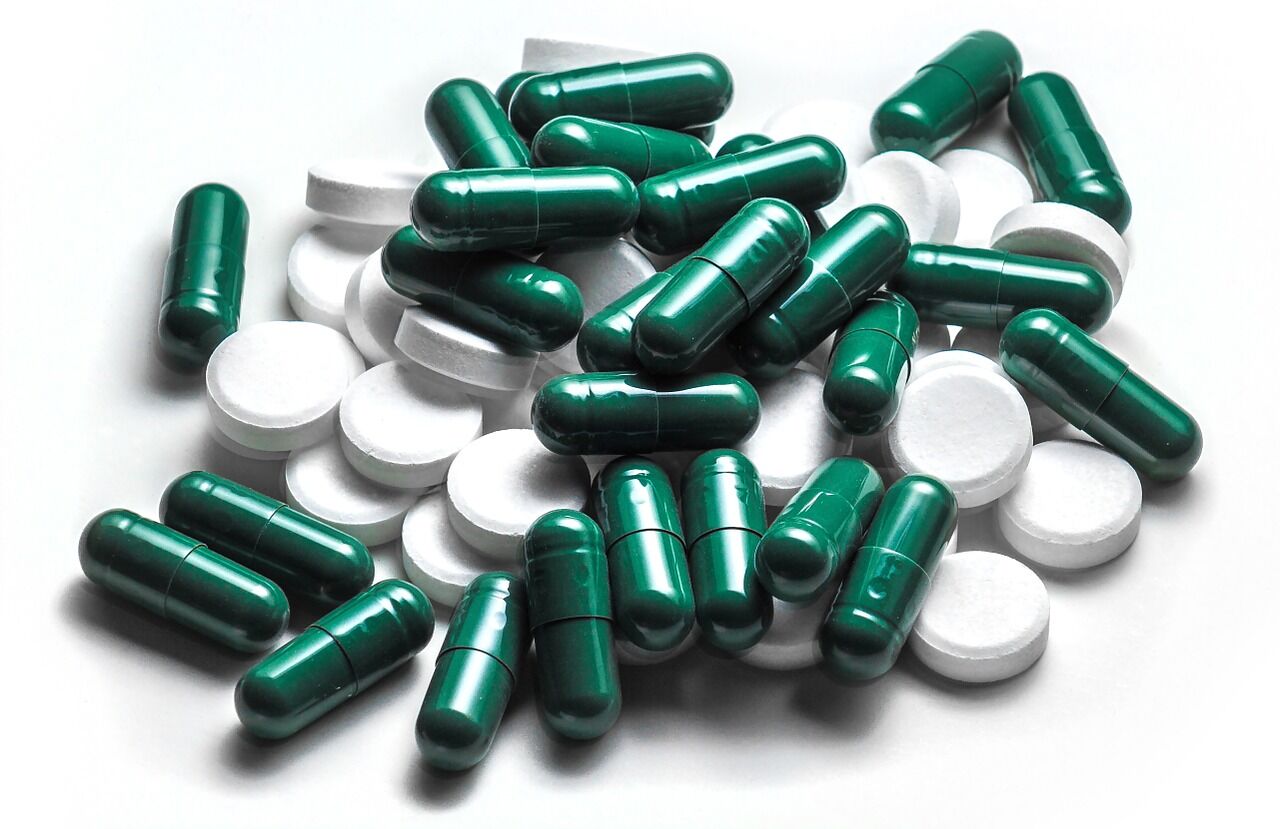
Antibiotics are drugs that especially treat bacterial infection. You may wonder your doctor will never prescribe any antibiotic until he gets to see you first. He first needs to check whether what you’re suffering is bacterial or viral infection. This is because viruses don’t respond to antibiotics. If you have a simple flu, the doctor never gives you antibiotics.

Basic knowledge in the difference between bacterial and viral illness may enlighten you, save yourself from worsening, infection, money and time. Here are four tips to guide you in identifying if your infection is bacterial or viral. Take this advice only if you can’t see a doctor.

  • A bacterial illness causes fever. A viral infection doesn’t cause fever.
  • Bacterial infection lasts longer than 10 days while viral infection lasts 2 to 10 days.
  • Bacteria usually cause site-specific symptoms such as those in sinuses, chest or throat. Viral infection normally causes wide-spread symptoms.
  • A bacterial illness typically produces phlegm (yellow, green, bloody or brown-tinged). Viral infection may only produce clear or cloudy mucus.

Typical antibiotic treatment last for 10-14 days. If symptoms persist such as neck pain, severe headache and persistent nausea, it’s best to see a doctor. This would be the worst thing to happen. However, if you are alert enough to see some symptoms, you become eager to get some antibiotics. Unfortunately, you can’t buy antibiotics in US without the doctor’s prescription. You would like to stockpile as an emergency medicine supply.

3 Ways To Obtain Antibiotics Without A Prescription*

  1. Purchase Bird (or Fish) Antibiotics

Fish or Bird antibiotics are the same USP grade antibiotics manufactured by pharmaceutical human use. This means they are the same to the ones prescribed for people. They also come in capsule or tablet forms.

  • Ciprofloxacin – Fish Flox Forte (500 mg)
  • Metronidazole – Fish Zole Forte (500 mg)
  • Amoxicillin Capsules – Fish Mox Forte (500 mg)
  • Erythromycin – Fish Mycin Forte Pure Powder (300 mg)

You can also include Doxycycline – Bird Biotic (100 mg)

  1. Purchase Antibiotics From Mexico

Some Americans freely buy medicines without doctor’s prescription, selling prescription, selling prescription medicines. Americans is a big industry in Mexico.  Pharmacies line the streets of border towns such as Tijuana and Nagales.

  1. Purchase through Online Stores in Other Countries Where Human Antibiotics Can Be Bought Legally Over the Country

Antibiotics can be sold legally without prescription as long as the online shop is located in a country that does not require a doctor’s prescription for a drug.

However, this is still breaking the law. Importing non-prescribed antibiotics over the internet is a very low priority for the authorities. For example, there is one online shop that sells human antibiotics (based in Cyprus).

What are the Antibiotics that You Should Stockpile

There are a variety of kinds of antibodies out in the market, some are generic and some are branded.

For the most part, you want to stockpile the ones that will be useful in the widest variety of applications. Those are especially the ones which treat common infections caused by injuries.

Here Are Some Must-Haves Antibiotics

Amoxicillin

This is a good general antibiotic for many types of bacterial infections. It is safe for children and even pregnant women, although, some may be very allergic to it.

Azitrhomycin

Azitrhomycin is a great brand of antibiotic used for a lot of kinds of infections. The problem is that you can’t easily find or even buy it. It needs prescription to buy.

Erythromycin

One of the most effective antibiotics to use for infected wounds and injuries. Erythromycin can also be used for ear and respiratory infections, as well as some STDs. Safe for women and children. However, some people experience side effects, such as abdominal pain, nausea, vomiting and diarrhea.

Ciprofloxacin

Best for things like urinary tract infections, prostate infections, respiratory tract infections (such as bronchitis or pneumonia), bacterial diarrhea, anthrax, and diverticulitis or infectious colitis (when combined with Metronidazole).

Children, pregnant women or nursing mothers should not take Cirprofloxin.

Cephalexin

It is great for almost any type of respiratory infection (bronchitis, pneumonia, strep throat, etc.) and middle ear infections. Cephalexin is safe for pregnant women and children and only has few side effects

Keflex

Keflex is a great antibiotic that can treat infections that are antibiotic resistant.  You can’t take Keflex if you are allergic to cephalexin or any other drugs such as in this link.

Zithromax

This is a ‘big gun’ antibiotic that treat hard to treat bacterial infections. It’s a good choice for people who are allergic to penicillin and its various derivatives. Zithromax is typically sold in a five pill, 5 day pack. People who have liver problems should not to use Zithromax.

How Much of Survival Antibiotics Should You Stockpile

Antibiotics are often taken twice a day during a ten days period. Zithromax is one notable exception for this. Also, in most cases, to treat an infection needs two pills. There are various of kinds of antibiotics for that type of infection they treat. Having 100 pills of one kind of antibiotic is still insufficient. You will likely need more than 100 other types of antibiotic.

The amount of variety of antibiotics depends on the kind of infection experienced by your family in the past. For example, if your child has had many wound infection, the kind of antibiotic differs according to its potency in killing the bacteria.

According to studies, bacteria have the ability to easily create a kind of protein that may help counteract the antibiotics.

Instead, some surviving ones will be able to identify the antibiotic and create their own version to make them immune to this kind of antibiotic. So the next time, this set of new bacteria encounters this same antibiotic. They are already immune and the antibiotic becomes ineffective.

The next time you use the same antibiotic to treat the same infection, it may heal slowly. It may need higher potency of the antibiotics. The cycle goes on. If another infection happens, you also upgrade your antibiotics. This is the reason why doctors need to prescribe you the right kind of antibiotic for the kind of infection you have, including your history of medications.

Where Can You Get Survival Antibiotics Without Prescription?

Like mentioned, Mexico is one of the nearest place to buy these antibiotics. US pharmacies don’t allow selling them with prescription. There is also some Canadian pharmaceutical houses that sell through mail-order, without prescription.

The Risk of Taking Antibiotics Without Prescription

One thing to take note is the presence of antibiotic-resistant bacteria. According to World Health Organization (WHO), two of the reasons that they continue to emerge that make it harder to treat common diseases like pneumonia, tuberculosis, gonorrhoea, and salmonellosis, is misuse and overuse of antibiotics in humans and in animals.

Antibiotics-resistant bacteria means higher medical costs, longer hospital stay and higher chance of complications in infections. Aside from misuse and overuse, lack of infection prevention and control increases chance for the bacteria to be resistant.

Did You Know That?

There are kinds of bacteria commonly called as “Superbug” because of their high resistance to any kind of antibiotic. This is the effect of mishandling antibiotics that these super-resistant bacteria have emerged.

Conclusion

Even if you want to stockpile for your own survival medical stock, it still pays to know the dangers and limitations especially when dealing with antibiotics. Antibiotics, just like any other drugs also have side effects. Even if they are life saver in times of injury or infection, improper dosage or mishandling may have serious consequences.

For more tips and information on prepping, visit  https://preparedbee.com/

* Note from Dave: This is a guest post – I am not a doctor nor a lawyer and I cannot advise you to break the law.  I have not tried getting medicine from other countries personally nor do I plan to.  I have had good results with things like Dakin’s solution, Sugardine, and the occasional vet medication.

How to Tell If Your Pet Has Health Problems

How to Tell If Your Pet Has Health Problems
Click to view More

Pets are the best companions that you can have. With their innocence and playful spirit; it hardly takes any time for us to consider them a part of our very own family. However, they cannot express their feelings as easily as we do.
Being the pet owner it is important that you stay a little alert to detect any health issues that your lovely companion might be going through.

As your pets grow and start aging, it is very natural for them to witness health complications. Arthritis, lack of memory power, poor digestive capacity are some of the major problems that elderly pets suffer from. With a little care and following a healthier lifestyle for the pets can really reduce the pain that they suffer.

For example, if you own an elderly dog make sure to give a good quality natural pain relief for dogs to help them deal with aging. Following are a few ways that can help you tell if your pet has health problems-

If your pet is not eating properly

Sickness or health complications lead to lack of hunger. If you notice that your pet is not eating enough, consider it a sign that you need to visit the vet. The earlier you approach the vet, the easier it is to cure the problem.

Lack of playful spirit

Pets like dogs, cats, rabbits etc. are known for their playful spirit. They love to jump, run, and play around. Hence, if you witness a reduction in the playful spirit of your pet; make sure to visit the vet without any delay. Lack of willingness to play or do physical movements may be because your pet is suffering from joint pain issues. Make sure to give your elderly pets joint pain relief supplement like pet bounce for dogs. This natural pain relief for dogs work great and you can easily give it by mixing in their food.

Dental Problems

Dental problems are also very common among pets; especially in the last years. Make sure to notice bad breath, bleeding gums, increased drooling, red or swollen gums, plaque etc. on your pet and seek professional help on time. Dental health problems may even result into eating difficulty, irregular eating habits and subsequent weight loss.

How to Tell If Your Pet Has Health Problems

If your pet is sleeping most of the time and shows no interest when you try to play with them; they might be suffering from health problems. Make sure you get them examined as early as possible.

Increase your knowledge

All pets are different and unique from one another. Hence, you need to know the signs and symptoms of the common health problems that your pet is exposed to. Whether you own a bird, a dog or a fish; try to expand your own knowledge so as to ensure that you don’t miss any chance to detect health problems at its early stage.

Sudden weight loss or gain

Your pets need to be healthy to look healthy. If you see the pet gaining or losing weight all of a sudden, discuss it with the vet and get your pet examined.

A little alertness on your part can make in big difference in your pet’s life. Make sure you never take the above-mentioned signs lightly. Make life comfortable and healthier for your pet. Approach the vet on time and enjoy a healthy and joyous togetherness with your pet.


How to Choose a Fitness Tracker to Suit Your Needs

Click Picture to Lean More

The first fitness trackers produced were primarily step counters, but they’ve evolved into much more. They now use sensors to track your heart rate, calories consumed, sleep quality, and body fat percentage.

They’re available in a variety of colors, shapes, materials, and sizes, and whatever your fitness goals are, you’ll find a fitness tracker to help you meet them.

While it’s nice to have a variety of options when choosing a fitness tracker, the volume on the market today can make choosing one difficult. However, you can narrow down your choices.

Consider the following five key features when making your decision about which fitness tracker is right for you.

Design

Image via Flickr by pestoverde

The type of design you prefer boils down to where you plan to wear your fitness tracker. If you think you’ll wear it only when you exercise, you’ll probably want a different design than if you plan to wear it to work.

Many fitness trackers are worn around the wrist, but some fitness trackers are worn as necklace pendants, clips, and rings. Many of these designs look like jewelry.

Some fitness trackers resemble traditional watches, with a large watch face connected to a narrow band, while others look more like bracelets. In the past, fitness trackers all had a similar, athletic-looking quality, but their designs now vary considerably.

Battery Life

Battery life is an important consideration. Many fitness trackers need to be charged every few days. You plug them into a wall outlet or computer when their batteries run down.

While most require frequent charging, some trackers operate using cell batteries that last anywhere from a few months to a year.

Corresponding App

Research the corresponding app before purchasing a tracker to find out if it monitors all the data you need. Check and see whether the fitness tracker you want is available online or whether it’s available only for download. Make sure it has an intuitive user interface.

Waterproofing

Waterproofing is another feature to consider. Many fitness trackers are water resistant and can handle a little rain, but if you plan to do plenty of outdoor activities, you may want to opt for a waterproof option. Moisture can shorten the life of a fitness tracker.

Calorie Counter

Many fitness trackers monitor how many calories you consume and burn each day. Some tell you if those calories came from fat, carbohydrates, or protein.

By monitoring your activity level and energy expenditure rates, the calorie counter can also tell you how many calories you burn each day. It shows you how your caloric intake and burn varies over time and lets you compare your day-to-day results. This evidence may provide you with all the motivation you need to maintain a healthy lifestyle.

Wearing a fitness tracker is a great way to meet your fitness goals. When you’re deciding which one to purchase, think about where you’re going to wear it, its battery life, corresponding apps, and whether the device counts calories burned and consumed. Once you’ve chosen the one that’s perfect for you, commit to wearing it every day. It can motivate you to move more, eat better, and live healthier.

An Honest Evaluation Of Your Health Is Critical To Your Prepping Plans

Make Emergency Plans Based on You Actual Heath

Buy at Amazon

My husband Salty and I were riding our bikes along a trail one fine day when we came across a worried huddle at the side of the trail.  At the center of the huddle was a middle-aged man,  sitting hunched  and breathing in short gasps.  He was sweating far more profusely than the day called for and was red in the face.  The bike he’d rented lay discarded in the weeds (or to be more precise, the poison ivy) beside the trail.  Someone was already on the phone to 911.

He figured it would be no big thing.  He used to ride a bike (now and then) when he was just a few years younger. Sure, he hadn’t gotten much exercise lately, but it was just riding a bike a few miles along a trail.

Let’s rewrite the story just a bit.  Once upon a time there was a prepper.  He had a very carefully chosen and packed Get Home Bag, because if Something Bad happened and he couldn’t drive home, his plan was to grab this bag and hoof it to his home just seventeen miles away.  Sure, he hadn’t gotten much exercise lately, but it was just walking some miles.  He could do it if he had to.

But when this prepper gets to breathing in short gasps, covered in sweat, nauseous, and red in the face … there isn’t any calling 911, and help is not just a phone call away.  Our prepper is in a very bad spot.

Be real in your planning:

An Honest Evaluation Of Your Health Is Critical To Your Prepping Plans

It does you no good to make plans for the shape you’d *like* to be in, or for doing things you’ll *need* to be able to do in an emergency unless your body can cash that check.  Needs are not mechanisms.  Needing to do a thing does not make us physically able to do the thing.  Ask anybody who’s ever needed to be able to breathe under water if you don’t believe me.  O wait, you can’t.

This is why you need an honest evaluation of your health.

The only plans worth breath to describe are the ones you can actually carry out.  Stop a moment and think very honestly and realistically about what you can physically do, Today.  Compare that to your plans for dealing with emergencies.  If you plan to bug out of your city by foot carrying your Bug Out Bag, how far have you hiked carrying that thing this year?  Did that hike include the hills that will be in your way, the obstacles you will be likely to have to scramble over?

Sure, you might be able to gut it out; but you might also get stuck with an injury (much more common when you’re pushing boundaries) or a simple inability to follow through and be worse off than when you started.

When plans aren’t realistic:

If anything in your plans is not something your body can handle right now, you’ve got three choices:

  1. Forget this conversation and move on.  <– Not a great choice.  That’s day-dreaming, not prepping.
  2. Change your plans.  For example, Salty (my man) has knees that are not interested in hiking with a pack.  Therefore, our plans for getting to The Place (our rural retreat) involve our touring bicycles and saddlebags.  We *know* we can bike that far in a day because we do so several times a summer.  A less-than-optimal plan you can actually carry out is worth infinitely more than a plan that’s perfect except for that tiny glitch of ‘you can’t do it reliably’.
  3. Change yourself.  There are several great reasons to get in better shape.  Not needing medical care you won’t be able to get in an emergency is right up there; and so is being able to plan to do things like cut wood for heat and carry water up the hill to the house without having a heart attack.
    What about medical needs?

The majority of adults in the U.S. are now on prescription medications; most of those people are on more than one.  The best answer is to improve your underlying health not to need the meds.  If  that’s not possible or you’re not willing to change your lifestyle that much, Plan B would be is to stock up if you can.  If that’s not feasible, Plan C is to have researched alternatives and be stocked up on them.

If you struggle with depression, have some St John’s Wort planted where you can get to it, for example.  It has nice flowers anyway.  If you have diabetes, make sure your food stores are choices that don’t tend to raise blood sugar much (very unlike many standard ‘prepper’ foods).  If you have hypertension, keep the salt in your prep foods low, etc.
The main point:  The plan’s only good if it is actually likely to work, and asking too much of your body in a high stress situation is a recipe for disaster.  This is no place for ego; be honest to yourself about your capabilities and keep your plans within them.


About the author: Spice is one of the founders/owners of the website Beans, Bullets, Bandages and You, and one of the blog’s main contributors. She’s not a doctor, but has worked in the field physiology and medicine and has been published in numerous peer-reviewed medical journals. You can read more of her work at https://beansbulletsbandagesandyou.com. The photo shows the author on one of her training hikes.